Every list of the best places to visit in Norway tells you Geirangerfjord is beautiful. None of them tell you it needs two days, that the road up to the good viewpoint costs NOK 330 and doesn’t open until late May, or that a June Tuesday there can mean three cruise ships and 6,000 people in a village of 250.
I went and read the five articles currently ranking for this search. Between them: about 13,000 words, 90-odd destinations, and not one price, not one day-count, and not one word about how you’d get there without a car. That’s the gap this guide fills.
What follows is Norway’s destinations sorted by how much of your trip they deserve — with what each one costs, when it’s actually open, how to reach it car-free, and where I’d tell you not to bother. If you want the experiences rather than the places, our guide to what there is to do across Norway covers that side.
The one decision that shapes everything
Norway is 1,750 km from Kristiansand to Nordkapp. On a map it looks like one country; in practice it’s three, and they don’t combine well on a short trip.
- Fjord Norway (Bergen, Sognefjord, Geiranger, Stavanger) — the postcard. Best June to September. Easiest to reach, easiest to do without a car.
- Arctic Norway (Lofoten, Tromsø, Senja, Finnmark) — the rare one. Two completely different products depending on whether you come for midnight sun or aurora.
- The interior and the south (Oslo, Jotunheimen, Røros, Sørlandet) — the underrated one, and where Norwegians actually holiday.
Pick one, or at most two with a domestic flight between them. The single most common mistake I see is a seven-day itinerary that includes both Bergen and Tromsø overland. That’s roughly London to Rome by road, on slower roads, with ferries.
Best places to visit in Norway at a glance
Prices are 2026, per adult, in kroner with a dollar figure at roughly 9.5 NOK to the dollar. “Car-free?” means you can do the place properly on public transport.
| Place | Region | Days | Season | Car-free? |
|---|---|---|---|---|
| Lofoten Islands | Arctic | 4–5 | Jun–Sep / Feb–Mar | Awkward |
| Bergen | Fjords | 2–3 | Year-round | Yes |
| Nærøyfjord & Flåm | Fjords | 1–2 | Year-round | Yes |
| Geirangerfjord | Fjords | 2 | Late May–Sep | Just about |
| Tromsø | Arctic | 3–4 | Year-round | Yes |
| Oslo | South | 2–3 | Year-round | Yes |
| Stavanger & Lysefjord | Fjords | 2–3 | Year-round | Yes |
| Ålesund | Fjords | 1–2 | Year-round | Yes |
| Senja | Arctic | 2–3 | Jun–Sep | No |
| Svalbard | High Arctic | 3–5 | Year-round | Yes |
| Trondheim & Røros | Central | 2 | Year-round | Yes |
| Jotunheimen | Interior | 2–4 | Jun–Sep | No |
| Nordkapp & Finnmark | Arctic | 3–4 | May–Sep | Awkward |
| Helgeland coast | Central | 4–5 | Jun–Aug | No |
| Hardangerfjord | Fjords | 1–2 | May–Sep | Awkward |
Tier one: the five that justify the airfare
1. The Lofoten Islands
Give it 4–5 days. Granite spires dropping straight into turquoise water, red fishing cabins on stilts, beaches that look Caribbean until you touch the water. It is the most photographed place in Norway and, unusually, it does live up to it.
Getting there is the part people underestimate. Fly to Bodø then take the ferry to Moskenes (about 3 hours 15 minutes; 2026 fares are NOK 605 for a car under 6 m, NOK 424 for an electric car, NOK 177 for a motorbike), or fly into Evenes and drive the E10 in — usually the better option, because car hire is cheaper outside the islands.
You can do Lofoten without a car, but you’ll see maybe a third of it. Buses run the E10 spine a handful of times a day and stop nowhere interesting. If you’re set on car-free, base in Svolvær and buy boat trips instead. The full Lofoten guide has the ferry timings and rorbu options.
Verdict: the single best destination in Norway, and the one worth rearranging a trip around. Four days minimum or don’t bother.
2. Bergen
Give it 2–3 days. The only Norwegian city that’s a destination in its own right rather than a place you sleep between fjords. Bryggen’s Hanseatic wharf is UNESCO-listed (62 buildings, rebuilt after the 1702 fire on the original medieval plot lines), the fish market is genuinely good if you eat inside at Mathallen, and the Fløibanen funicular costs NOK 200 return online in summer, NOK 145 in winter.
It rains about 200 days a year. Plan indoor backups and stop resenting it. One 2026 note: Bergen caps cruise arrivals at four ships and 8,000 passengers a day, and from this year every calling ship must be shore-power capable — so the crush on Bryggen is more manageable than it was. More in the Bergen guide.
Verdict: the best base in western Norway and the easiest place to arrive. Everyone’s first stop, correctly.
3. Nærøyfjord and Flåm
Give it 1–2 days. The Nærøyfjord narrows to about 250 metres with walls over a kilometre high, and it’s UNESCO-listed — note that the Sognefjord as a whole is not, only this arm of it, which half the internet gets wrong.
Since 1 January 2026, vessels under 10,000 gross tons must be emission-free in the World Heritage fjords, so the Flåm–Gudvangen boats are now electric and almost silent. It’s a genuine improvement. Pair it with the Flåm Railway: 20 km, 20 tunnels (18 of them hand-dug), climbing to Myrdal at 867 m, about an hour each way, with 10 departures a day from 1 May to 30 September 2026.
Verdict: the highest concentration of spectacle per hour anywhere in Norway, and entirely doable by public transport from Bergen or Oslo.
4. Geirangerfjord
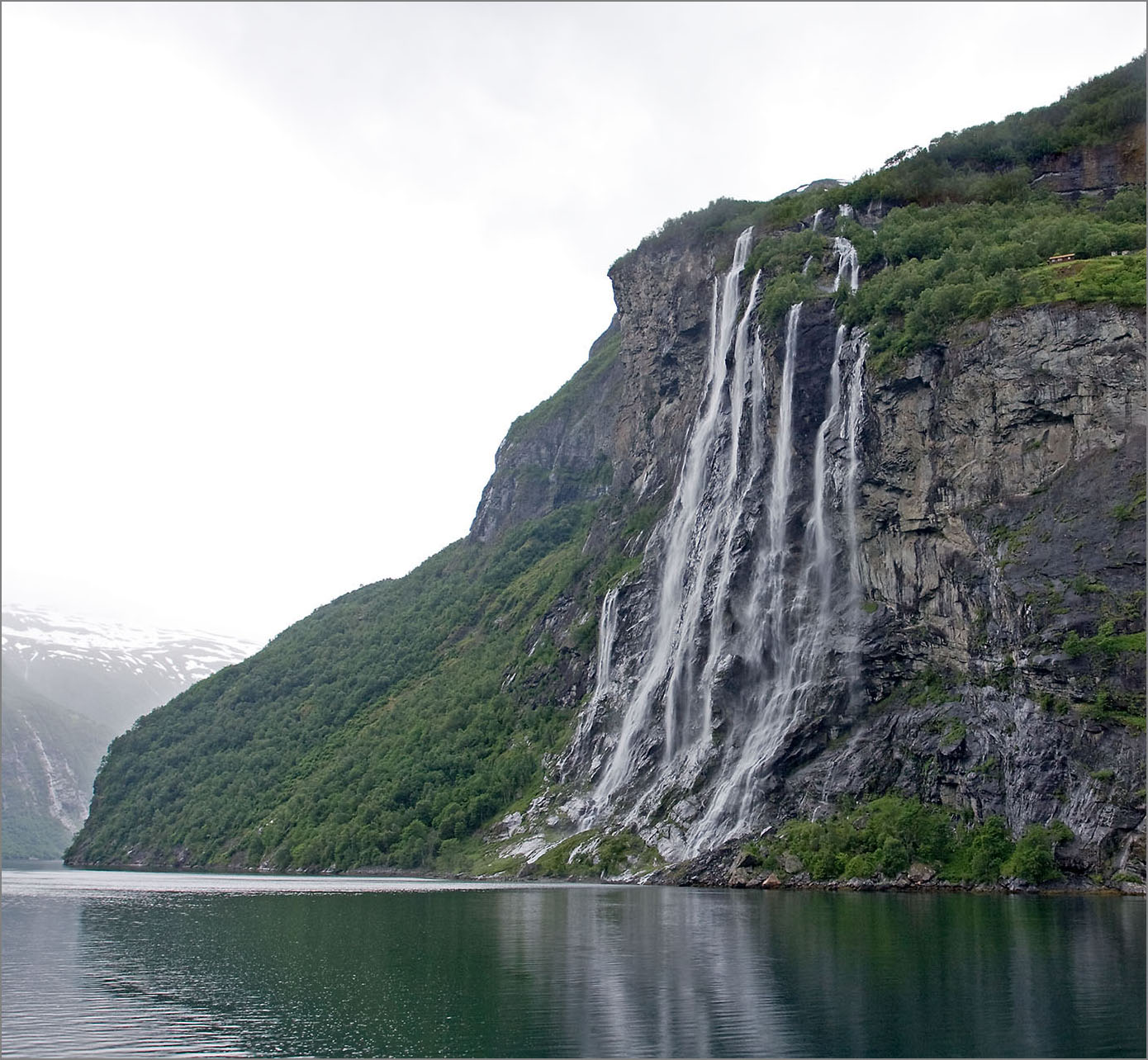
Give it 2 days. The famous one, and the busiest. The fjord itself is best seen from above: Dalsnibba at 1,500 m costs NOK 330 per car (NOK 170 motorbike, NOK 2,830 bus) and opens in the second half of May, closing in late September. Ørnesvingen on the Eagle Road is free and nearly as good.
The honest advice is to arrive late in the day and stay the night. Cruise passengers are gone by early evening, and Geiranger at 8pm in June is a different, far better place than Geiranger at noon. For the water, take the Geiranger–Hellesylt car ferry rather than a sightseeing cruise — same fjord, a fraction of the price.
Verdict: worth it, but only if you sleep there. A day trip means you see it at its worst.

5. Tromsø
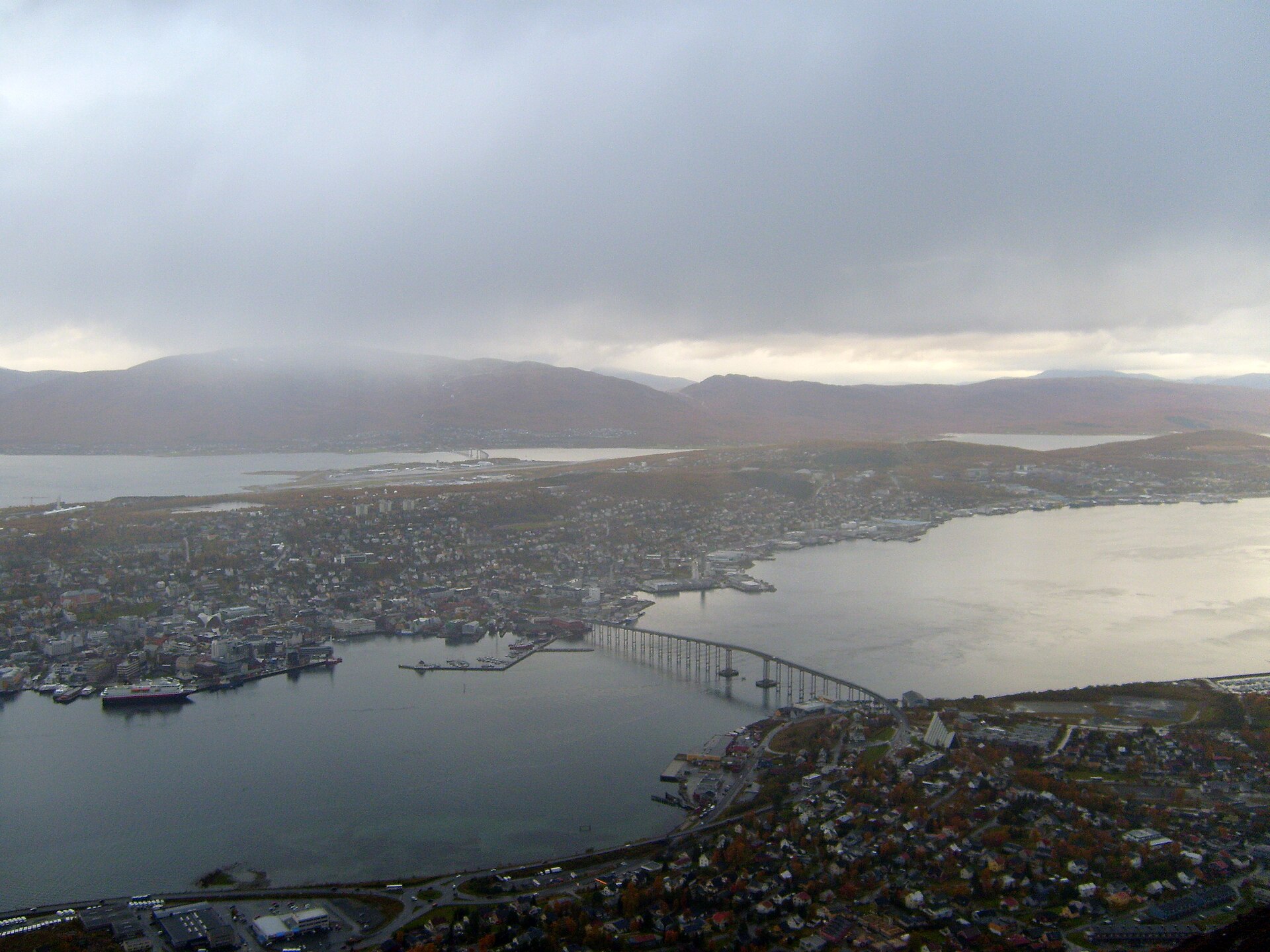
Give it 3–4 days. The Arctic capital, at 69°N, and the most practical base for everything northern: aurora chases from late September to early April, midnight sun from 20 May to 22 July, whale watching, dog sledding, Sámi experiences.
What makes Tromsø work is that it’s a real city of 77,000 with restaurants and museums, so a cloudy day isn’t a wasted day. It’s also the one Arctic destination you can do entirely without a car — everything is a tour pickup from a hotel. The Tromsø guide covers operators and bases.
Verdict: the best-value Arctic destination in Norway, and the one to pick if you only have one.
Tier two: strong picks for a second week
6. Stavanger and the Lysefjord
2–3 days. Preikestolen is here — 8 km round trip, about 500 m of ascent, four to five hours, and a 604-metre cliff at the end. Parking is NOK 275 for stays over two hours (NOK 40 under two hours, and you pay on the way out). The car park holds 1,000 cars and still fills; 348,000 people hiked it in the summer of 2022 alone.
The city itself is better than its reputation: Gamle Stavanger’s white wooden lanes, the three ten-metre swords at Sverd i fjell, and RE-NAA holding three Michelin stars. See the Stavanger guide.
7. Ålesund
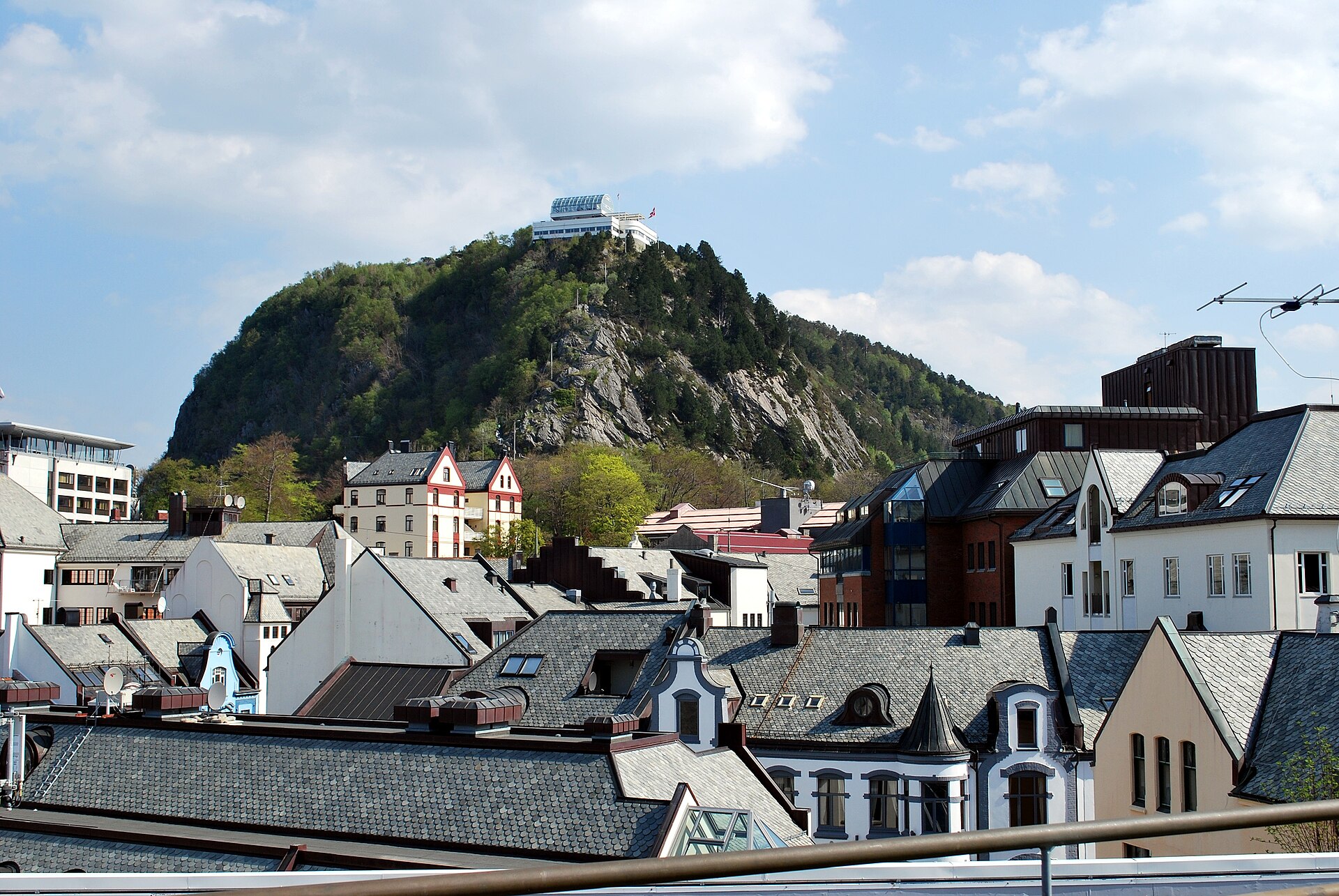
1–2 days. Rebuilt in Art Nouveau after the 1904 fire and scattered across islands, it’s the prettiest town in Norway and the natural pairing with Geiranger and Trollstigen. Climb the 418 steps to the Fjellstua viewpoint at sunset.
8. Senja
2–3 days. Norway’s second-largest island and what Lofoten was twenty years ago — the same granite drama with a fraction of the traffic. Segla’s overhanging prow is the shot. You need a car, and the scenic route from Botnhamn to Gryllefjord is the reason to have one.
9. Svalbard
3–5 days. At 78°N, closer to the pole than to Oslo. Glacier hikes, snowmobiles, boat trips past walrus. Since January 2025 only ships carrying 200 or fewer passengers may land in protected areas, landings are limited to 43 designated sites, and drones are banned in conservation zones — which has pushed wildlife voyages toward smaller, better, pricier expedition ships. You cannot leave Longyearbyen without an armed guide.
10. Trondheim and Røros
2 days combined. Nidaros Cathedral was begun in 1070 and finished around 1300, built over St Olav’s grave, and it’s the most impressive building in the country. Røros, two hours inland, is a UNESCO-listed copper-mining town of black-tarred timber that looks unchanged since the 1700s — and is at its best under snow.
Where to go, by season
This is the part most destination lists skip entirely, and it’s the part that decides whether your trip works. A place that’s spectacular in July can be shut in April.
| Season | Go here | Avoid |
|---|---|---|
| Jan–Mar | Tromsø, Senja, Alta, Kirkenes, Røros | Geiranger, Jotunheimen, high mountain roads |
| Apr–May | Bergen, Hardanger (blossom), Stavanger, Oslo | Lofoten (between seasons), Nordkapp |
| Jun–Aug | Everywhere — this is the only window all of Norway is open | Nothing, but book early and expect company |
| Sep–Oct | Fjords (colour, no crowds), Lofoten, Jotunheimen | Nordkapp after late Sep, Svalbard boat trips |
| Nov–Dec | Tromsø, Kirkenes, Oslo Christmas markets | The fjords — dark, wet, and mostly closed |
The blunt version: if you come between October and April, go north. The fjords in winter aren’t frozen and dramatic, they’re grey and rainy with six hours of light, and half the viewpoints you came for are behind closed roads. The Arctic, meanwhile, is at its best in exactly those months.
Four places that reward a longer look
These didn’t make tier one because they need more time or more effort than most trips allow — but each is better than several places that outrank them on every list.
Vesterålen. Lofoten’s quieter northern neighbour, and the more reliable place for whales: Andenes runs sperm-whale trips across most of the year rather than chasing the herring like Skjervøy does. The Stave–Bleik coastal trail to Måtind is three or four hours for a view that would have a queue if it were 100 km south.
Lyngen Alps. An hour and a half from Tromsø and almost nobody goes. Peaks straight out of the sea, the best ski touring in Norway from February to May, and a string of small lodges along the fjord. If you want the Arctic without tour buses, this is it.
Rondane and Dovrefjell. Norway’s first national parks, gentler than Jotunheimen, and the only realistic place in Europe to see wild musk ox — a species reintroduced from Greenland in the 1930s that now numbers a few hundred on the Dovre plateau. Guided safaris run in summer. The train from Oslo stops at Dombås, so you don’t need a car.
Undredal and the small Sognefjord villages. Undredal has 60-odd residents, several hundred goats, a stave church that seats 40, and a brown-cheese dairy. It’s twenty minutes from Flåm and 95% of the people who visit Flåm never go. That ratio is the entire argument for it.
A note on the places everyone photographs
Norway has an unusually large gap between the image and the experience, and it’s worth naming.
Trolltunga is a 28 km day with 10 to 12 hours on your feet, not a photo stop — the queue at the rock itself can run 30 to 45 minutes on a July weekday. Reinebringen in Lofoten is 1,978 Sherpa-built stone steps, which turned a dangerous mud scramble into a merely brutal one; the view at the top is the best effort-to-reward ratio in the country. Kjeragbolten’s road, the Lysevegen, typically opens in mid-May and closes in October, and people still turn up in April.
None of that is a reason to skip them. It’s a reason to read the practical line before you build a day around a photograph. Our fjords guide and planning essentials cover the reality checks in more detail.
How to actually reach each place
Norway has five airports that matter for visitors and a public transport network that is far better than its reputation. This is the layer no competing article covers, and it’s usually what decides an itinerary.
| Destination | Fly into | Then | Rough time from Oslo |
|---|---|---|---|
| Bergen & fjords | Bergen (BGO) | Walk; train to Flåm | 7 hrs by train, 1 hr by air |
| Lofoten | Evenes (EVE) or Bodø (BOO) | Hire car / Moskenes ferry | ~2 hrs air + 2–3 hrs ground |
| Tromsø | Tromsø (TOS) | Airport bus, tours collect you | ~2 hrs by air |
| Geiranger | Ålesund (AES) | Bus or hire car, ~3 hrs | ~1 hr air + 3 hrs road |
| Stavanger & Preikestolen | Stavanger (SVG) | Ferry + shuttle to trailhead | ~1 hr by air |
| Nordkapp | Alta (ALF) or Honningsvåg | Hire car or coastal voyage | ~2 hrs air + 4 hrs road |
| Svalbard | Longyearbyen (LYR) | Everything is walkable or a tour | ~3 hrs direct in season |
Three practical rules. First, use Entur, the national journey planner — Google Maps is unreliable for Norwegian public transport and will tell you a connection doesn’t exist when it runs twice a day. Second, book long-distance trains early; Lowpris fares from around NOK 299 on the Oslo–Bergen line become NOK 1,000+ on the day. Third, if you’re driving, get an AutoPASS-for-ferje account before you arrive — it takes 40–50% off ferry crossings, and Norway has a lot of ferry crossings.
One more thing worth knowing if you’re pricing a road trip this summer: a temporary fuel excise holiday running from April to September 2026 has pushed petrol to roughly NOK 20–21 a litre, which is unusually cheap by Norwegian standards. It expires in September.
Choosing between the two Norways
If you’re still torn between the fjords and the Arctic, here’s the honest comparison — because most guides pretend you can have both and you can’t, not in a week.
| Fjord Norway | Arctic Norway | |
|---|---|---|
| Best months | June–September | Feb–March or June–July |
| Signature sight | Cliffs, water, waterfalls | Aurora or midnight sun |
| Car needed? | Optional | Depends — Tromsø no, Senja yes |
| Daily cost | Moderate; sights are free | Higher; experiences are guided |
| Weather risk | Rain, constant | Cloud hiding the aurora |
| Crowds | Heavy Jun–Aug at the icons | Heavy in Tromsø, light elsewhere |
| Pick it if… | You want scenery and to walk | You want something you can’t see at home |
My own bias, for what it’s worth: first-time visitors are usually better served by the fjords in summer, because the hit rate is guaranteed. The scenery doesn’t need to cooperate the way the aurora does. Save the Arctic for a second trip, when you’ll appreciate that it’s a genuinely different country rather than a colder version of the first one. Where you sleep matters more up north too — the accommodation guide covers rorbu cabins, glass igloos and DNT huts.
Tier three: worth it if you have a reason
11. Jotunheimen
2–4 days. “Home of the Giants,” and it holds Norway’s 29 highest summits including Galdhøpiggen at 2,469 m. Hiking season is roughly June to September; the shortest route up Galdhøpiggen crosses a glacier and needs a guide. Besseggen is the famous ridge day. This is where Norwegians go, and it’s the antidote to a fjord trip that’s felt crowded. Details in the hiking guide.
12. Nordkapp and Finnmark
3–4 days. The plateau at Nordkapp is free — a court ruling established it as public land under the right to roam, and only the Nordkapphallen visitor centre charges (NOK 350 adult, NOK 90 child, valid 24 hours). The drive up through Finnmark’s tundra is honestly the better half. Add Alta’s UNESCO rock art and a king crab safari at Kirkenes.
13. The Helgeland coast
4–5 days. The Kystriksveien coastal road, the Seven Sisters mountain range, the Vega archipelago (UNESCO-listed for its eider-down tradition) and the Svartisen glacier. Six ferries, almost no traffic, and the best road trip in Norway that nobody outside Norway does.
14. Hardangerfjord
1–2 days. Fruit blossom in May, Vøringsfossen’s 182-metre drop, Steinsdalsfossen (which you walk behind), and the Trolltunga trailhead. Trolltunga’s unguided season in 2026 runs 8 June to 30 September; P2 parking is NOK 500 a day and the shuttle up to P3 starts at NOK 150 — which turns a 28 km day into something a normal person can finish.
15. Sørlandet, the south coast
2–3 days. White wooden towns — Risør, Lillesand, Grimstad — skerries, and the warmest, driest weather in the country. It’s where Norwegians actually spend July, which tells you something. It is not dramatic. That’s the point.
Places I’d think twice about
Preikestolen as a day trip from Bergen. People try this. It’s five to six hours each way. Base in Stavanger or skip it.
Oslo for a week. Oslo is a good two or three days — Vigeland Park’s 212 sculptures are free and open round the clock, the Opera House roof is free to walk, the Munch museum is excellent. But one thing to plan around: the Viking Ship Museum on Bygdøy has been closed since 2021 and reopens as the Museum of the Viking Age in 2027, not 2026. The Oseberg, Gokstad and Tune ships are not viewable this year, whatever older guides say. The Oslo guide has what’s actually open.
Nordkapp in bad weather. It’s fogged in more often than anyone admits, and there’s no refund on a 12-hour drive. Check the forecast before committing; if it’s grey, the Finnmark tundra and Kirkenes are the better use of the days.
Chasing every fjord. Sognefjord is 205 km long and 1,308 m deep; you cannot “do” it. Pick one arm — Nærøyfjord for drama, Aurlandsfjord for access — and go deep rather than driving past four in a day.
How to combine them
Norwegian roads are slow, scenic and full of ferries. Budget about 60 km/h on anything worth driving. The itinerary guide has full routes; these are the shapes that work.
| Days | Route | Why it works |
|---|---|---|
| 5 | Bergen → Flåm/Nærøyfjord → Bergen | No car needed; train and boat do everything |
| 7 | Oslo → Bergen Line → Bergen → Flåm → Geiranger | The classic first visit; one-way car hire from Bergen |
| 7 (winter) | Tromsø only | Aurora needs several nights; a single base beats moving |
| 10 | Bergen + fjords, fly to Bodø, ferry to Lofoten | Both Norways without driving the middle |
| 14 | South and west unhurried, then fly north | The only way to see both properly |
The Bergen Line between Oslo and Bergen deserves a mention on its own: 492 km, six and a half to seven and a half hours, six or seven departures daily, and advance Lowpris fares from around NOK 299. It crosses the Hardangervidda plateau at 1,222 m through snow that lingers into July, and it’s cheaper than flying.
If you’re driving in early summer, check the passes. In 2026 Sognefjellet — Norway’s highest road pass at 1,434 m — opened on 2 April, Aurlandsfjellet’s Snow Road on 1 June, and Gamle Strynefjellsvegen on 15 June. Trollstigen reopened on 27 April 2026 after two seasons closed for rockfall works, its earliest opening on record. The transport guide covers ferries, tolls and the Entur app.
What this costs in 2026
Norway is expensive but no longer exceptional: on the 2026 cost-of-living index it sits below Switzerland and Iceland. The krone is around 9.5 to the dollar, which is stronger than it was.
Where the money goes is beds and guided activities, not entry fees — most of Norway’s best places charge nothing. Reckon on NOK 900–1,200 a day self-catering and camping, NOK 1,600–2,200 for mid-range hotels and a restaurant meal, and NOK 3,500 upward if you want good hotels and a guided experience daily. The costs guide breaks it down properly.
One thing you may have read about: Norway’s visitor levy became law on 1 July 2026, allowing municipalities to add up to 3% to overnight stays. In practice no municipality is charging it in 2026. Tromsø has voted to start on 1 January 2027, subject to ministry approval. You will not pay it this year.
Frequently asked questions
What is the number one place to visit in Norway?
Lofoten, if you have four days to give it and can accept the travel time. If you have less than a week, Bergen and the Nærøyfjord is the better answer — same wow, a fraction of the logistics.
How many days do you need in Norway?
Seven covers one region properly. Ten to fourteen lets you combine the fjords with a flight north. Under five days, pick a single base — Bergen or Tromsø — and take day trips.
Can you visit Norway without a car?
Most of it, yes. Bergen, Flåm, the Nærøyfjord, Oslo, Tromsø, Stavanger and Preikestolen are all straightforward by train, bus, boat and shuttle. A car mainly buys you Senja, Jotunheimen, the Helgeland coast and the freedom to stop. Lofoten sits awkwardly in between.
Is Bergen or Oslo the better base?
Bergen, for a first trip. It’s the gateway to the fjords, it’s walkable, and the good stuff starts an hour away. Oslo is the better city but the worse base — the great western fjords are five to six hours each way.
What is the best month to visit Norway?
Late June for midnight sun and open mountain roads; September for autumn colour, thinner crowds and lower prices with everything still running; February and March for aurora with usable daylight. Our month-by-month guide goes deeper.
Is Norway in a Nutshell worth it?
The route is superb; the packaged ticket mostly saves you booking four things yourself. Doing it independently typically saves NOK 400–700. One correction to old guides: the Stalheimskleiva hairpins have been closed to vehicles since 2020, so no bus drives them.
Can you see the fjords and the northern lights on one trip?
Yes, but not in one season and not overland. The aurora runs late September to early April, when many mountain roads are shut. Fly Bergen to Tromsø rather than driving.
Which fjord should I choose if I only see one?
Nærøyfjord for drama and access, and it’s the one that’s UNESCO-listed. Geiranger if you want the classic postcard and can stay overnight. Lysefjord if you’d rather hike than sail.
Photo credits
All photographs are used under their respective Creative Commons or public-domain licences.
- The Seven Sisters, Geirangerfjord. Best seen from the Hellesylt ferry rather than a paid cruise. — Photo: Sergey Ashmarin / CC BY-SA 3.0 via Wikimedia Commons.
- Henningsvær, Lofoten — Photo: ashfay from Washington, D.C., USA / CC BY-SA 2.0 via Wikimedia Commons.
- Tromsø from Fjellheisen. A real city of 77,000 — Photo: Peulle / CC BY-SA 4.0 via Wikimedia Commons.
- Ålesund from Fjellstua, at the top of 418 steps. Rebuilt in Art Nouveau after the 1904 fire. — Photo: GangerRolf / CC BY-SA 3.0 via Wikimedia Commons.
Prices, road openings and ferry fares were checked in July 2026 and are given per adult in Norwegian kroner, with dollar conversions at roughly 9.5 NOK to 1 USD. Mountain roads and boat timetables change with the weather — confirm before you commit.