Almost everything ranking for first time in Norway right now was written before the border changed. The top five results between them offer thirty-odd tips, a handful of prices and not one mention of the biometric system you will meet at passport control, the entry scheme half the internet is telling you to apply for, or the visitor levy Norway passed into law this summer.
That is the gap this piece fills. No itineraries, no day plans, no ranked lists of waterfalls. Just the rules, the money, the logistics and the manners, checked in September 2026 and dated so you can tell when it goes stale.
I have written it in the order that trips actually go wrong. Entry rules first, because that is the part with a plane ticket riding on it. Then cards, because Norway is further into cashlessness than any country you have visited and the failure points are specific. Then what things really cost, which is less than the internet thinks.
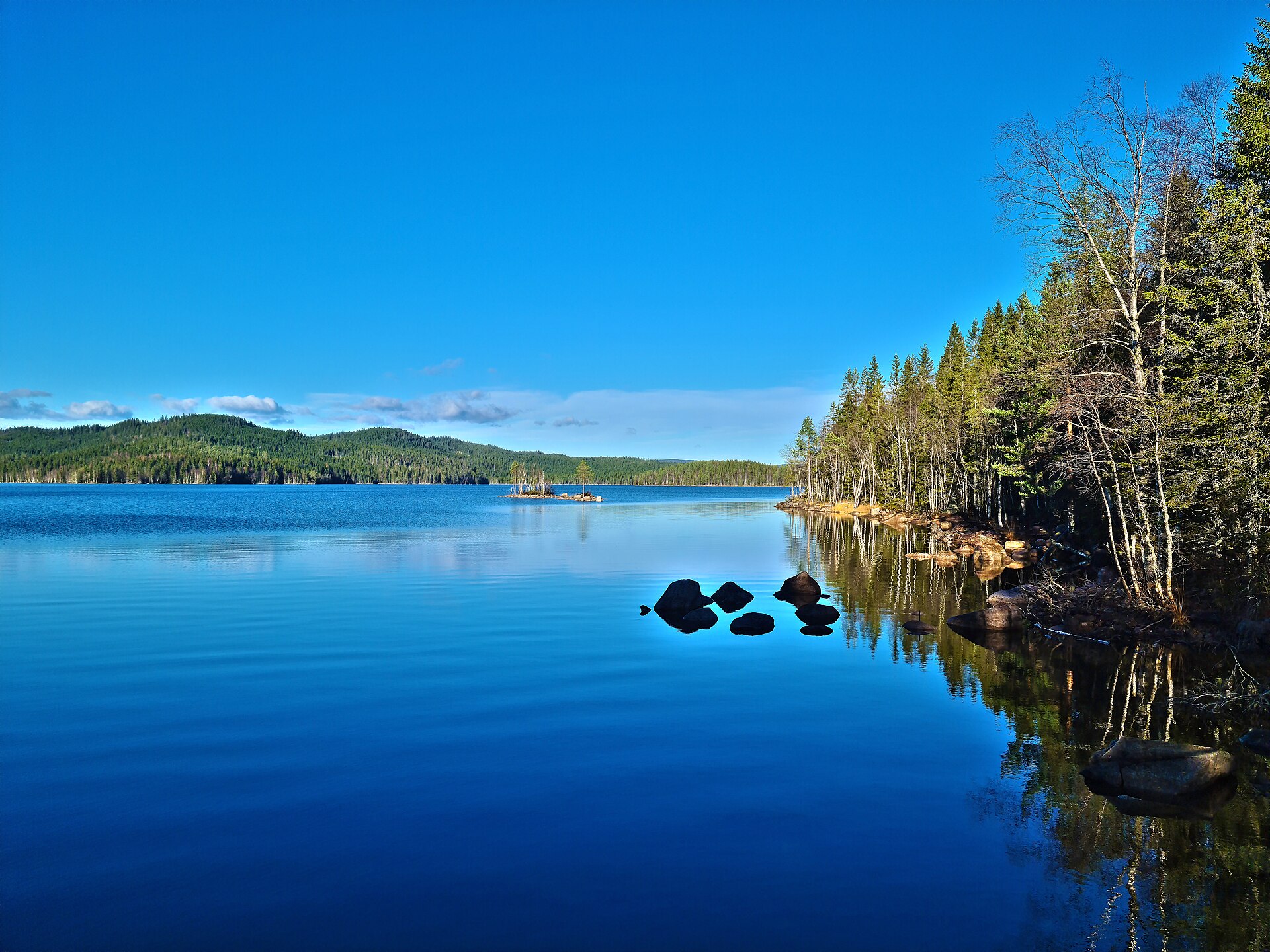
The short version, at a glance
If you read nothing else, read this. Every figure is converted at 9.35 NOK to the US dollar, the rate as of 1 September 2026.
| Thing | Price / status, September 2026 | In USD |
|---|---|---|
| ETIAS travel authorisation | Not launched, no confirmed date | Nothing to pay |
| EES biometric registration at the border | Mandatory, free, takes a few minutes | Free |
| Tourist tax / visitor levy | Law exists, no municipality collecting yet | NOK 0 |
| Pint of beer in a bar | NOK 100–140 | $11–15 |
| 0.5 L beer from a supermarket | NOK 35–50 | $4–5 |
| Main course, mid-range restaurant | From NOK 250 (Oslo NOK 220–380) | $27–41 |
| Average hotel room per night | NOK 1,725 | $185 |
| Petrol, national average 1 Sep 2026 | NOK 26.84 per litre | $2.87/litre |
| Tipping | Not expected | — |
| Tap water | Excellent, drink it | Free |
Entry rules: what changed, and what has not
EES is live, and it is the bit that will actually slow you down
The Entry/Exit System became fully operational on 10 April 2026 at every Schengen crossing, Norway included, after a phased rollout that started on 12 October 2025. It replaces the passport stamp. Instead of an officer inking a page, your fingerprints and a facial image are captured and tied to your travel document, and the system counts your days automatically against the 90-days-in-any-180 limit.
It applies to all non-EU nationals. Americans, Brits, Canadians, Australians, New Zealanders: all of you register. First registration is the slow one, because the biometrics have to be captured from scratch; after that the file exists and subsequent crossings are quicker. More than 45 million crossings have been registered since launch, and more than 24,000 people have been refused entry.
Practical consequences for a first trip. Build extra time into your first arrival, especially if you land at Oslo Gardermoen on a summer morning when three long-haul flights come in together. Do not book a 55-minute connection through a Schengen entry point and assume it will hold. And take the 90/180 count seriously now that a computer is doing the arithmetic instead of a tired officer squinting at smudged stamps. The stamp era forgave a lot of sloppiness. This one does not.
ETIAS: there is nothing to apply for
I want to be blunt here, because there is bad advice everywhere and some of it is monetised. ETIAS has not launched and has no confirmed launch date. The EU dropped its late-2026 target in July 2026 over IT problems, and eu-LISA’s management board was due to meet in September 2026 to set a revised timeline. As I write, that timeline does not exist publicly.
So: anyone telling you to apply for ETIAS before your trip is wrong, and any website taking your money for an ETIAS application right now is running a scam or, at best, a pre-registration list you did not need. There is no portal. There is no fee. There is no approval to wait for. When it does start, it will be an online authorisation rather than a visa, and it will be announced with a long lead time.
What you do need for a first trip in 2026 is the boring old stuff: a passport valid for at least three months beyond your intended departure from the Schengen area and issued within the last ten years, plus whatever your nationality requires by way of a visa. Norway is in Schengen but not in the EU, which occasionally confuses airline check-in staff and never confuses the border.
The visitor levy exists on paper and nowhere else yet
Norway’s besøksbidragsloven, the visitor contribution act, took effect on 1 July 2026. Half the travel internet read the headline and started warning people about a Norwegian tourist tax. That is not what the law does. It authorises municipalities to introduce a levy if they choose. It is opt-in, local, and requires each municipality to run its own approval process.
The terms, where a municipality does adopt it: capped at 3% of the total price including VAT on overnight stays, with cruise passengers included. Campsites, marinas, tents, private campervans and private boats are exempt, which is a deliberate carve-out for people travelling under the right to roam.
Tromsø approved collection from 1 January 2027 and will be the first municipality in the country to charge it. Lofoten’s four municipalities (Vågan, Flakstad, Moskenes and Vestvågøy) are named approved pilot areas. So the honest answer for anyone travelling this month: you will not pay a tourist tax anywhere in Norway right now. Not in the capital, not in Bergen, not on a cruise. If your hotel adds a line item called a visitor levy in September 2026, query it.
| Entry item | Status as of 2 September 2026 | What you do |
|---|---|---|
| EES biometrics | Fully operational since 10 April 2026 | Nothing in advance; allow queue time on arrival |
| ETIAS | Not launched, timeline unset | Nothing. Ignore sites selling applications |
| Passport stamps | Replaced by EES for non-EU nationals | Stop relying on stamps to track your days |
| 90/180 day rule | Unchanged, now automatically counted | Count your own days before you fly |
| Visitor levy | Law in force, no municipality collecting | Nothing until 2027 at the earliest |
| Tromsø levy | Approved for 1 January 2027 | Budget 3% on 2027 stays there |
Money: the most cashless country you will ever visit
How cashless, precisely
Every guide says Norway is cashless and none of them puts a number on it. Here is the number. Cash accounts for about 2% of the value of point-of-sale payments in Norway according to the 2026 survey, and 1.4% of M1. Thirty years ago it was 17%. Two per cent is not “declining”, it is essentially gone.
What that means on the ground is that a card works everywhere, including the smallest bakery on the smallest island, and that carrying a wad of kroner is pointless. I bring nothing. If you want a psychological safety net, a single 200-krone note in a jacket pocket covers it. Some buses, market stalls and rural churches technically still take cash, but you will find refusing-cash signs more often than you find cash-only ones.
The important corollary: because the country is card-first, the systems assume your card behaves like a Norwegian card. Most foreign cards do. The ones that do not, fail in a few specific places, and one of them is expensive.
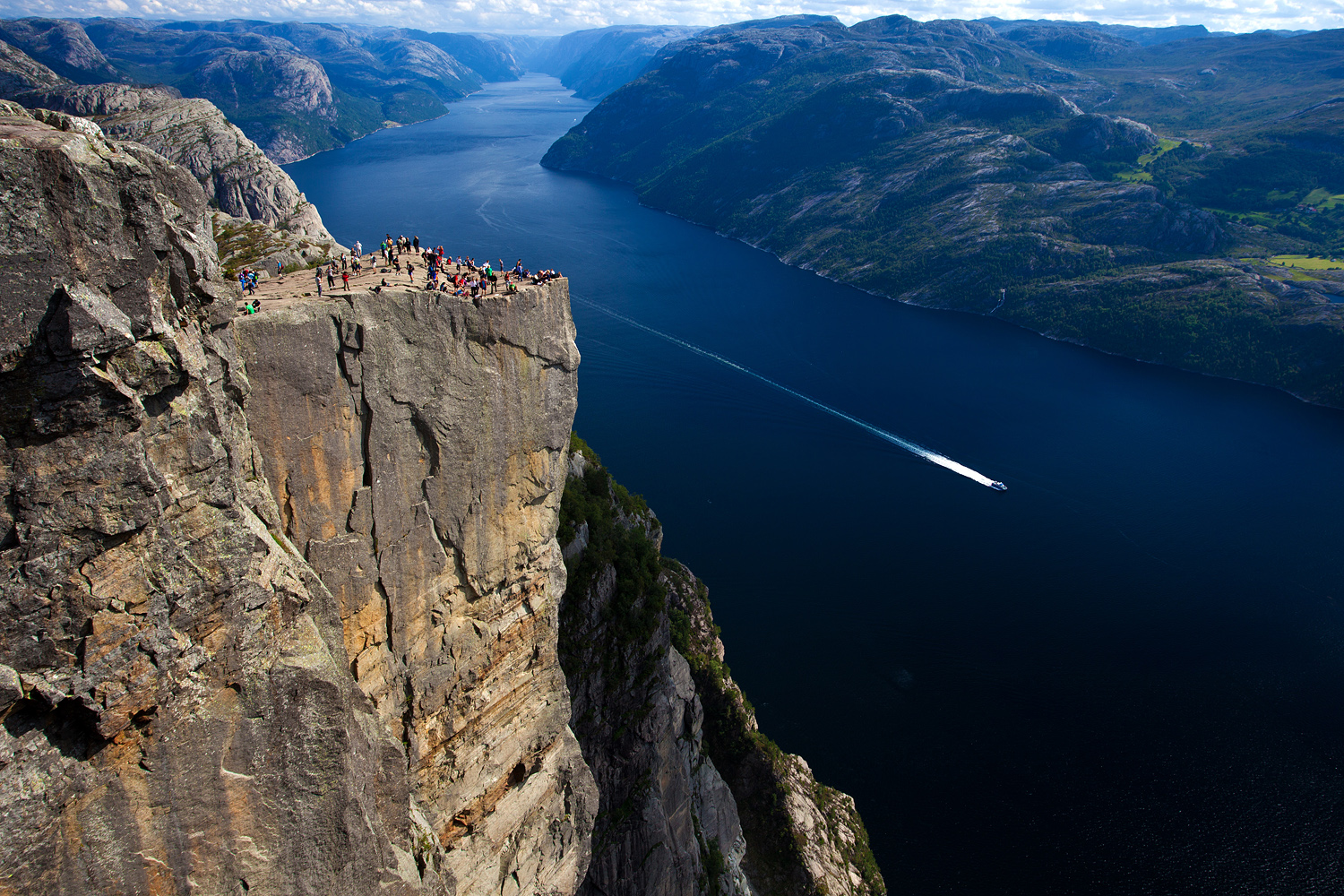
The toll system is the trap
Every road toll in Norway is camera-based AutoPASS. There are no booths. There is no barrier, no attendant, no card terminal, nothing to slow down for. Your number plate is photographed and you are billed later. This is elegant if you are Norwegian and a genuine problem if you have hired a car without understanding what happens next.
Two things to know. First, an unregistered foreign vehicle is billed at heavy-vehicle rates, which is exactly as painful as it sounds, so if you are driving your own car into Norway, register the plate with AutoPASS or an EPC provider before you cross. Second, if you rent locally the tolls are passed on to you by the rental company, and they add an administration fee of roughly NOK 35 to 100 ($4 to $11) per transaction on top of the toll itself. Not per trip. Per toll passage. On a fjord road with several crossings in a day that fee can exceed the tolls.
Ask the rental desk exactly how tolls are charged, and whether they bundle them into a daily cap. Some do, some do not, and the difference over a week is real money. If you are still deciding whether to drive at all, my longer piece on how to move around the country works through where a car earns its cost and where the train or the coastal ferry simply beats it.
What to actually carry
Bring two cards from different networks, on different accounts, and keep them in different places. That is the whole strategy. Enable contactless, tell your bank you are travelling, and make sure you know your PIN, because chip-and-PIN is the fallback at unattended machines and a signature is not an option. Vipps, the mobile payment app Norwegians use for everything from splitting a bill to paying a market stall, requires a Norwegian bank account and phone number, so it is not available to you. Nobody will expect it to be.
What things actually cost
Norway is expensive. It is not as expensive as the search results claim. Lonely Planet’s current article quotes NOK 500 for a restaurant main, which sits above every 2026 price source I could find, and that kind of number is how a country acquires a reputation it does not quite deserve. A NOK 500 main exists, in the sense that any city has restaurants where a main costs double the average. It is not what you pay at a normal place on a normal evening.
| Item | NOK, September 2026 | USD at 9.35 | Note |
|---|---|---|---|
| Restaurant main, mid-range | From 250 | From $27 | Oslo range 220–380 |
| Beer in a bar (0.4–0.5 L) | 100–140 | $11–15 | Higher in hotel bars |
| Beer, supermarket 0.5 L | 35–50 | $4–5 | Max 4.7% ABV |
| Hotel room, national average | 1,725 | $185 | Per night, all categories |
| Petrol, 1 litre | 26.84 | $2.87 | National average, 1 Sep 2026 |
| Toll admin fee, rental car | 35–100 | $4–11 | Per toll passage, plus the toll |
| Tourist tax | 0 | $0 | No municipality collecting yet |
Three habits cut a Norwegian bill more than any amount of restaurant-hunting. Eat your main meal at lunch, when the same kitchens run cheaper set plates. Buy breakfast and lunch supplies at Kiwi, Rema 1000 or Coop Extra rather than at a café. And accept that the country’s best experiences are free, which is a cliché everywhere else and simply true here. I have broken the arithmetic down properly in the full cost breakdown, and there is a companion list of things that cost nothing at all.
Accommodation is the line item where a first-timer overspends without noticing. The NOK 1,725 national average hides an enormous spread, and Norwegian hotels price on weekday business demand, which means city hotels are often cheaper at the weekend and in summer, the opposite of what you expect. Hostels here are clean, adult and unembarrassing. Cabins are excellent value for two or more. My notes on choosing where to sleep go through the categories.
Alcohol: the rules that catch people out
Alcohol above 4.7% ABV can only be sold by Vinmonopolet, the state monopoly. Supermarkets sell beer and cider up to that strength and nothing else. No wine, no spirits, no strong beer, and a checkout that will refuse a legal purchase after the daily cut-off time for beer sales, which is earlier than you assume and earlier still on Saturdays.
Vinmonopolet’s shops typically open Monday to Friday 10:00–18:00 and Saturday 10:00–15:00, and are closed on Sundays. Hours vary between branches and shrink around public holidays. If you arrive on a Saturday afternoon planning to buy wine for a cabin week, you are already too late. This catches out more first-timers than anything else on this page.
The shops themselves are good. Staff are trained, the selection is broad, prices are high but not theatrical, and the ritual of going to Vinmonopolet before a weekend is a legitimately Norwegian experience. Duty-free on arrival at the airport is worth using: it is the cheapest alcohol you will buy in the country, and Norwegians queue for it on the way home for exactly that reason.
| Where | What it sells | Typical hours |
|---|---|---|
| Supermarket | Beer and cider up to 4.7% ABV only | Store hours, with an earlier alcohol cut-off |
| Vinmonopolet | Wine, spirits, strong beer | Mon–Fri 10:00–18:00, Sat 10:00–15:00, closed Sun |
| Bars and restaurants | Everything, at bar prices | Late, licence-dependent |
| Airport duty-free | Everything, cheapest in country | Flight hours, on arrival as well as departure |
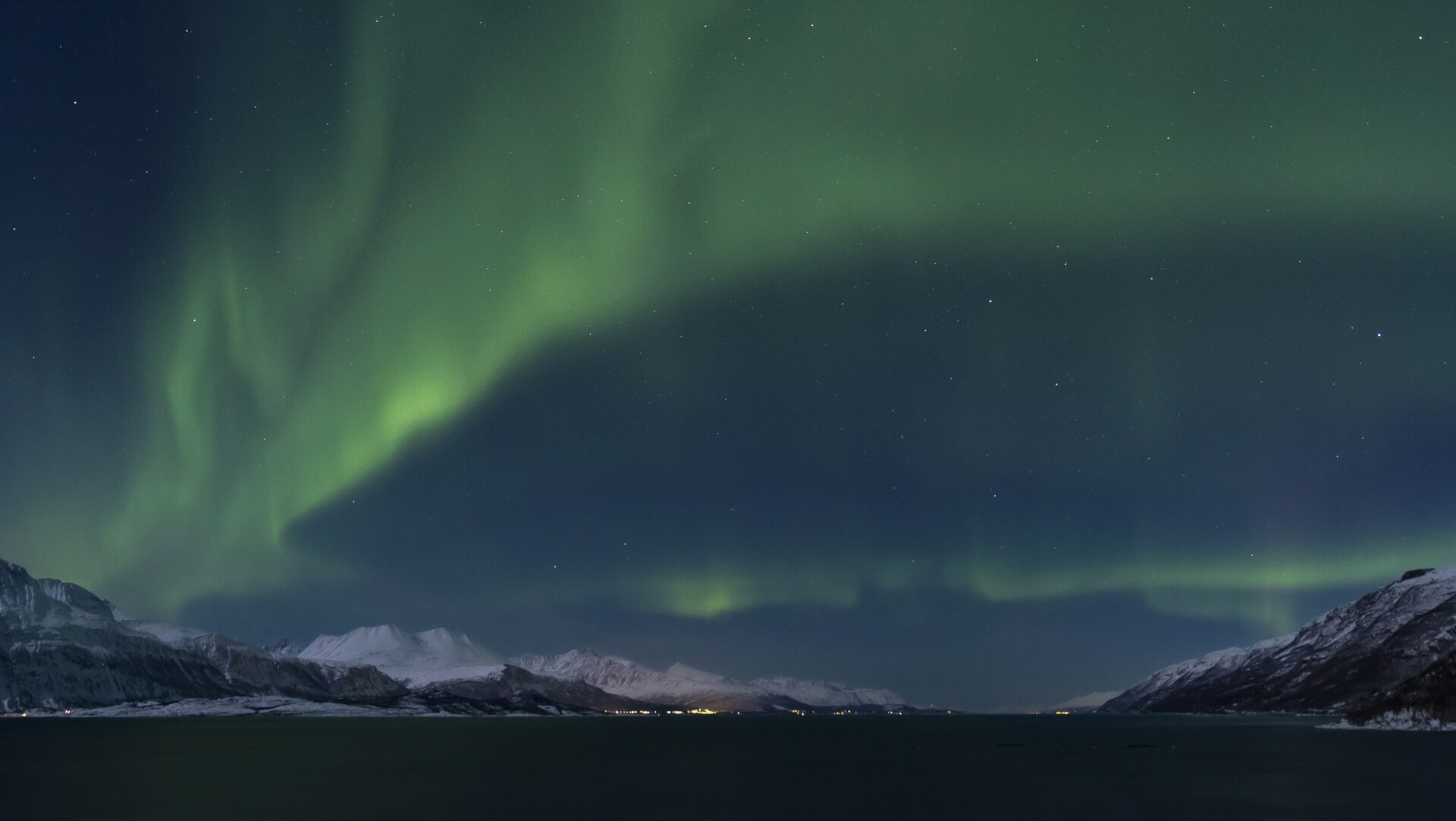
Allemannsretten: the actual rules, not the slogan
Every article name-drops the right to roam and then moves on. Here is what the 1957 Outdoor Recreation Act actually grants you, because it is a legal right with conditions rather than a vibe.
You may walk, ski, cycle and ride across utmark, meaning uncultivated land, regardless of who owns it. You may pitch a tent there for a maximum of two nights in one spot. You must be at least 150 metres from the nearest inhabited house or cabin. Stay longer than two nights and you need the landowner’s permission, except in remote mountain and forest country far from habitation, where longer stays are accepted.
What it does not cover: innmark, meaning cultivated land, gardens, farmyards and fields, which are off-limits without permission. It does not cover parking a campervan wherever you like, which is a road-traffic and local-signage question, not a roaming right. It does not cover fires, which are banned in or near forest land from 15 April to 15 September. And it comes with an implied obligation to leave nothing, which Norwegians take more seriously than any sign.
This right is the reason a trip here can be cheap in a way it cannot be in most of Europe, and it is also the reason the new visitor levy exempts tents and campsites. If you plan to sleep outdoors, my guide to walking routes and trail practicalities covers the marked-trail network and the mountain cabin system that sits alongside the roaming right.
Etiquette, in about five rules
Norwegians are not cold, they are non-intrusive, and the difference matters. Nobody will start a conversation with you on a bus, and this is politeness rather than dislike. Ask a direct question and you will get a genuinely helpful, slightly over-detailed answer. Small talk is not the currency; usefulness is.
Queue properly and take a number ticket wherever one is offered, which is nearly everywhere with a counter. Take your shoes off inside a home, always, without being asked. Do not be loud in public spaces, particularly on trains. Do not haggle. Do not ask what someone earns or what their house cost, though they will tell you exactly how expensive the ferry was.
On tipping: it is not expected. Service staff are paid a proper wage and nobody is subsidising them. The commonly repeated advice, which I have seen in several English-language guides but have not been able to verify against a Norwegian source, is that when people do tip they round up by 5–10% on the card terminal rather than leaving cash. Treat that as a description of what some people do, not a rule. Leaving nothing is completely normal and no one will think less of you.
English is spoken to a level that will make you slightly ashamed. Learn takk (thanks) and unnskyld (excuse me) and stop there; attempting more will usually get you answered in English anyway. There are more of these small operating instructions in my general practical tips collection.
Weather and packing, with a real number attached
Bergen records roughly 216 rainy days a year at the 1 mm threshold and about 2,495 mm of rain. That is around sixty more wet days than Seattle. Sit with that figure for a second, because it is the single most useful piece of packing information anyone can give a first-time visitor and I have never seen it in a first-timer guide.
It does not mean your trip will be ruined. It means the weather is not an event here, it is a background condition, and Norwegians dress for it rather than negotiating with it. The phrase you will hear is that there is no bad weather, only bad clothing, and it is repeated so often precisely because everyone has tested it.
What that translates to: a genuinely waterproof shell with taped seams, not a water-resistant fashion jacket. Waterproof trousers, which nobody packs and everybody wishes they had. Wool base layers rather than cotton, because wool works wet and cotton does not. Boots you have already walked in. A hat and gloves even in July, because a fjord boat deck at speed is cold in any month.
What you do not need: an extreme expedition parka for a summer trip, three pairs of jeans, or the umbrella you are thinking about, which the coastal wind will destroy on day two. Month-by-month detail lives in the weather breakdown, and if your dates are still flexible, the timing guide and the cheapest-months analysis pull in opposite directions in a way worth understanding before you book.
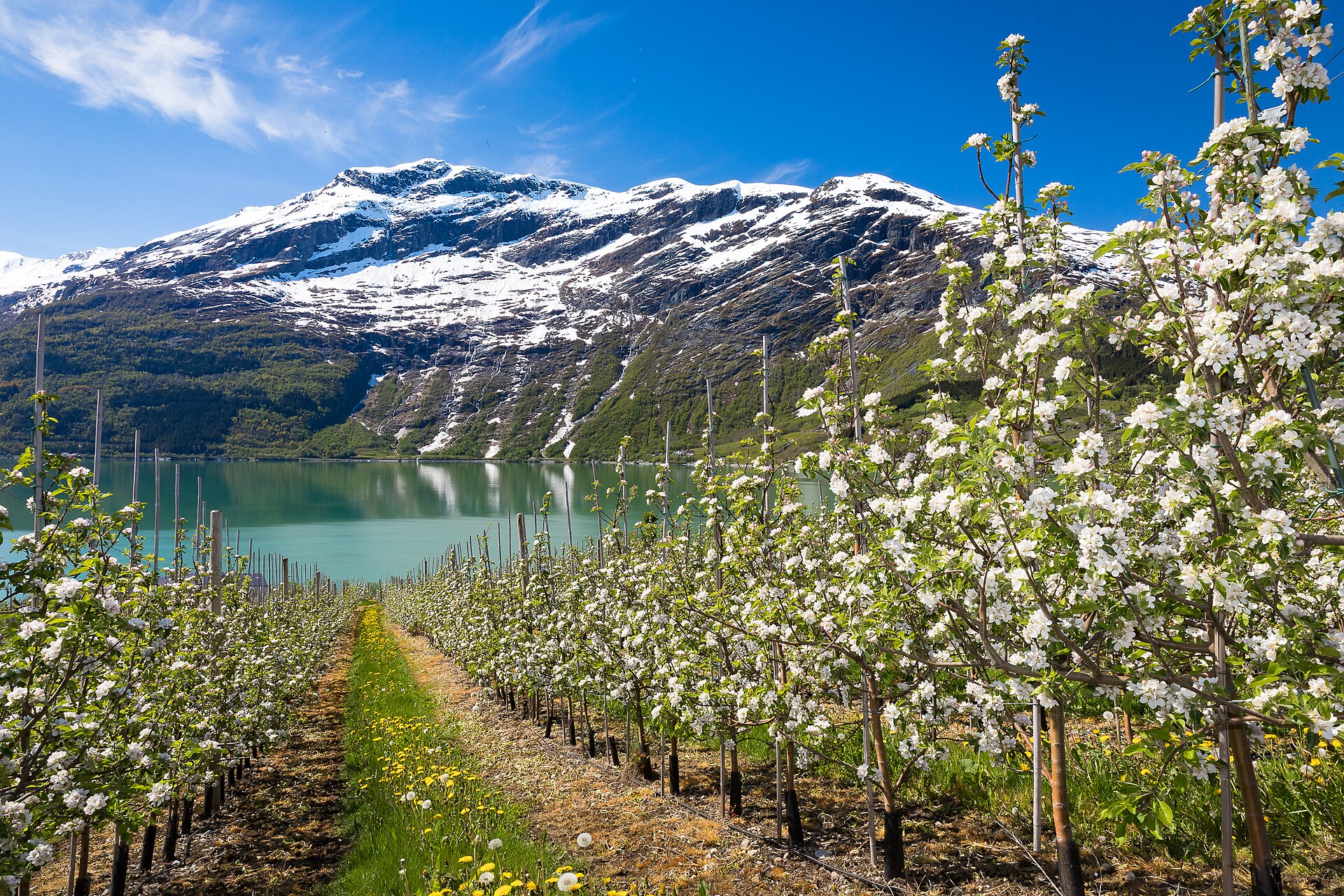
What first-timers over-worry about, and what they under-prepare for
Over-worried
Cost. Norway is expensive but the fear is out of proportion, largely because the English-language internet is quoting 2022 prices and inflating restaurant figures. Supermarket food is not dramatically dearer than Switzerland or Iceland, the scenery is free, and public transport is reasonable.
Language. You will not encounter a language barrier. Stop planning for one.
Safety. Very low crime, safe cities at night, safe for solo travellers. The genuine risks here are weather, water and terrain, not people.
Darkness in winter. People cancel winter trips over this. Polar night above the Arctic Circle is a blue twilight for hours in the middle of the day, not an unbroken black, and it is a large part of why the north looks the way it does in photographs. The daylight hours and temperatures by city are set out in my guide to winter conditions.
Under-prepared
Waterproof clothing. See the 216 days above. This is the number one packing failure and it is expensive to fix once you are here.
Vinmonopolet’s opening hours. Second most common, and entirely avoidable.
Toll and rental car admin fees. A charge arriving weeks after you fly home, at NOK 35–100 per passage, is a nasty surprise.
Distance. This is the big one. Norway is long, the roads follow the coastline around every inlet, and a 300 km drive can take six hours. First-timers routinely plan a route that looks compact on a map and involves ten hours of driving a day. Cut your plan in half and you will enjoy twice as much of it. Deciding which half to keep is easier with destinations ranked by the days they deserve.
Booking the specific things that sell out. Most of Norway needs no reservation. A handful of items do, months ahead: sleeper trains, popular fjord boat services in July, and winter aurora tours out of the north.
Frequently asked questions
Do I need a visa or ETIAS to visit Norway?
Most Western travellers need no visa for stays up to 90 days in any 180. ETIAS has not launched and has no confirmed start date after the EU dropped its late-2026 target in July 2026, so there is nothing to apply for and nothing to pay. You will be registered in the EES biometric system on arrival, which is free and happens at the border.
Is Norway expensive? What does a beer or a meal cost?
Expensive, yes, but less than the search results suggest. A bar beer runs NOK 100–140 ($11–15) and the same beer from a supermarket is NOK 35–50 ($4–5). A mid-range restaurant main starts around NOK 250 ($27), with Oslo mostly NOK 220–380. The NOK 500 main quoted by one major guidebook site is above every 2026 source I checked.
Do I need cash in Norway?
No. Cash is about 2% of the value of point-of-sale payments and 1.4% of M1, down from 17% thirty years ago. Bring two cards on different networks and know your PIN. A single small note as backup is more comfort than necessity.
Is there a tourist tax in Norway?
Not one you will pay right now. The visitor contribution act took effect on 1 July 2026 but only authorises municipalities to introduce a levy of up to 3% of the total accommodation price including VAT. Tromsø will be the first to collect it, from 1 January 2027, with Lofoten’s four municipalities named as approved pilot areas. Tents, campsites, marinas, private campervans and private boats are exempt.
How many days do I need for a first trip?
Seven to ten days is the realistic floor for seeing more than one region without spending the trip in transit. Under a week, pick one base and go deep rather than trying to link Oslo, Bergen and the Arctic. The distances are the constraint, not the sightseeing. For a number matched to what you actually want to see, use the minimum-days table by trip type.
Do you tip in Norway?
Tipping is not expected and staff are paid properly without it. Several English-language guides say that when Norwegians do tip they round up 5–10% on the card terminal, though I have not been able to confirm that against a Norwegian source. Leaving nothing is normal and unremarkable.
Can you drink the tap water?
Yes, everywhere, and it is among the best tap water in the world. Buying bottled water in Norway is money set on fire. Carry a refillable bottle and fill it from any tap, and in the mountains from running streams above the treeline, which locals do routinely.
Can you camp anywhere in Norway?
Close to it, under allemannsretten. You may pitch a tent on uncultivated land for up to two nights, at least 150 metres from the nearest inhabited house, and longer stays need the landowner’s permission except in remote mountain country. Cultivated land, gardens and farmyards are excluded, and campervans are governed by road rules and local signs rather than the roaming right.
Photo credits
- The right to roam is real, but it has rules: 150 metres from any house, two nights maximum. — Photo: Geir Hval (www.MacWhale.eu) / CC BY-SA 4.0 via Wikimedia Commons.
- Norway’s big hikes are free to walk. The parking is what costs money. — Photo: Svein-Magne Tunli / CC BY-SA 3.0 via Wikimedia Commons.
- Aurora season is not a guarantee, and no first-time itinerary should treat it as one. — Photo: Ximonic (Simo Räsänen) / CC BY-SA 3.0 via Wikimedia Commons.
- Late May in Hardanger. Norway is not one climate, and packing for it is the thing people get wrong. — Photo: Svein Magne Tunli / CC BY-SA 4.0 via Wikimedia Commons.
Entry rules, levy status and prices checked 2 September 2026, converted at 9.35 NOK to 1 USD. The ETIAS position in particular is live: eu-LISA’s board was due to meet in September 2026 to set a revised timeline, so confirm the current status before you travel. Vinmonopolet hours and Norwegian toll administration fees vary by branch and by rental company, and the tipping convention described above is an unverified secondhand claim rather than a Norwegian source.