Search “southern norway road trip” and read the top five results properly. I did that in September 2026, and four of them use “southern Norway” to mean the fjord belt: Geiranger, Hardanger, the Sognefjord, places that sit 400 km and several mountain passes north of anything a Norwegian would call the south. In one of them, Sørlandet gets a single lunch stop before the writer heads for Bergen. Only one of the five treats the south coast as a destination in its own right, and that one gives you no distances, no opening hours and not a single price.
That is the gap. Sørlandet is the strip of coast running from the Oslofjord’s western shoulder down to Lindesnes and then west to Stavanger, and it is where Norwegians go on holiday. Norwegian families own cabins here. Norwegian boats fill these harbours in July. Foreign visitors drive straight past it on the E18 and E39 on their way to a fjord, which is why the towns still feel like towns rather than cruise terminals.
I want to make two arguments in this piece, both of them checkable. The first is that this is the only major Norwegian driving route with no high mountain passes on it at all, which means it works in February as well as July while Trollstigen and Sognefjellet sit behind closed gates for half the year. The second is that the south coast is measurably drier and sunnier than the fjord country, and I have the annual figures rather than the vague assertion everyone else makes.
What follows is a five-day core route from Kristiansand to Stavanger, with a seven-day version that adds the eastern coastal towns and a Preikestolen day at the far end. Where I quote a distance it comes from a road-authority figure for that stretch. Where I don’t have a sourced number, I say so instead of guessing.
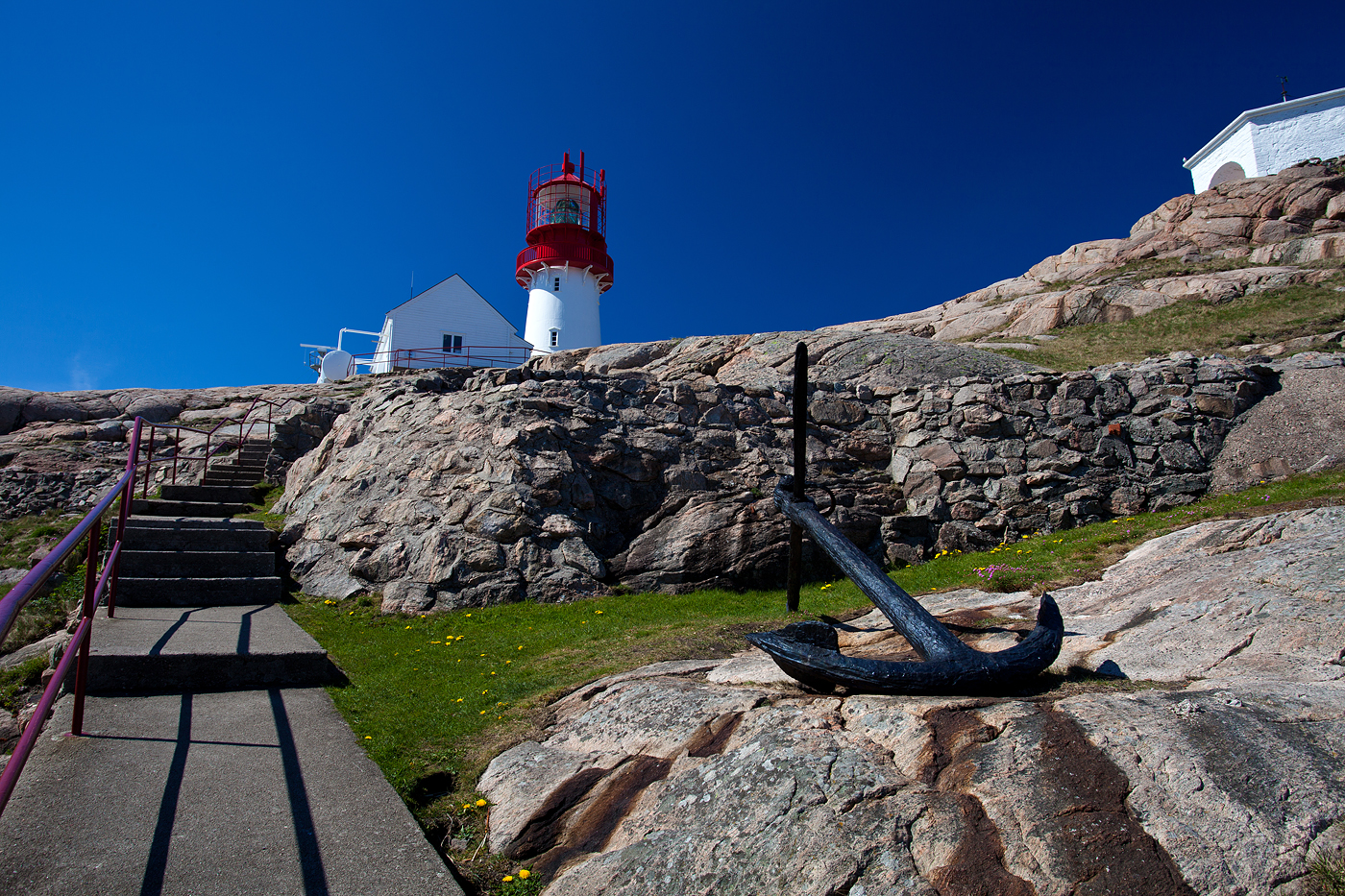
The five-day route at a glance
The spine is the E39 between Kristiansand and Stavanger: about 240 km, roughly three hours if you drove it without stopping, and — this is the part that surprises people — with no ferry crossings at all. The first ferry on the E39 heading north is Boknafjord, and that is above Stavanger, past the end of this trip. You could do the whole thing in an afternoon. Doing it in five days is the point.
| Day | Where you sleep | The day’s anchor | Driving load |
|---|---|---|---|
| 1 | Kristiansand | Posebyen’s white streets, or Dyreparken with children | None |
| 2 | Mandal or Lindesnes | Lindesnes Lighthouse, Norway’s southern tip | About 80 km west |
| 3 | Flekkefjord | Rail biking the abandoned Flekkefjordbanen | Short E39 hop, sourced figure not available |
| 4 | Jæren (Bore, Bryne or Ogna) | Scenic Route Jæren, 130 km of dunes and beach | 130 km, coastal Fv44/Fv507 |
| 5 | Stavanger | Old Stavanger, then the Ryfylke subsea tunnel | Short run north from Bore |
Two of those days run on National Scenic Routes rather than the trunk road. That is deliberate.
Day by day: Kristiansand to Stavanger
Day 1 — Kristiansand, and why you start here
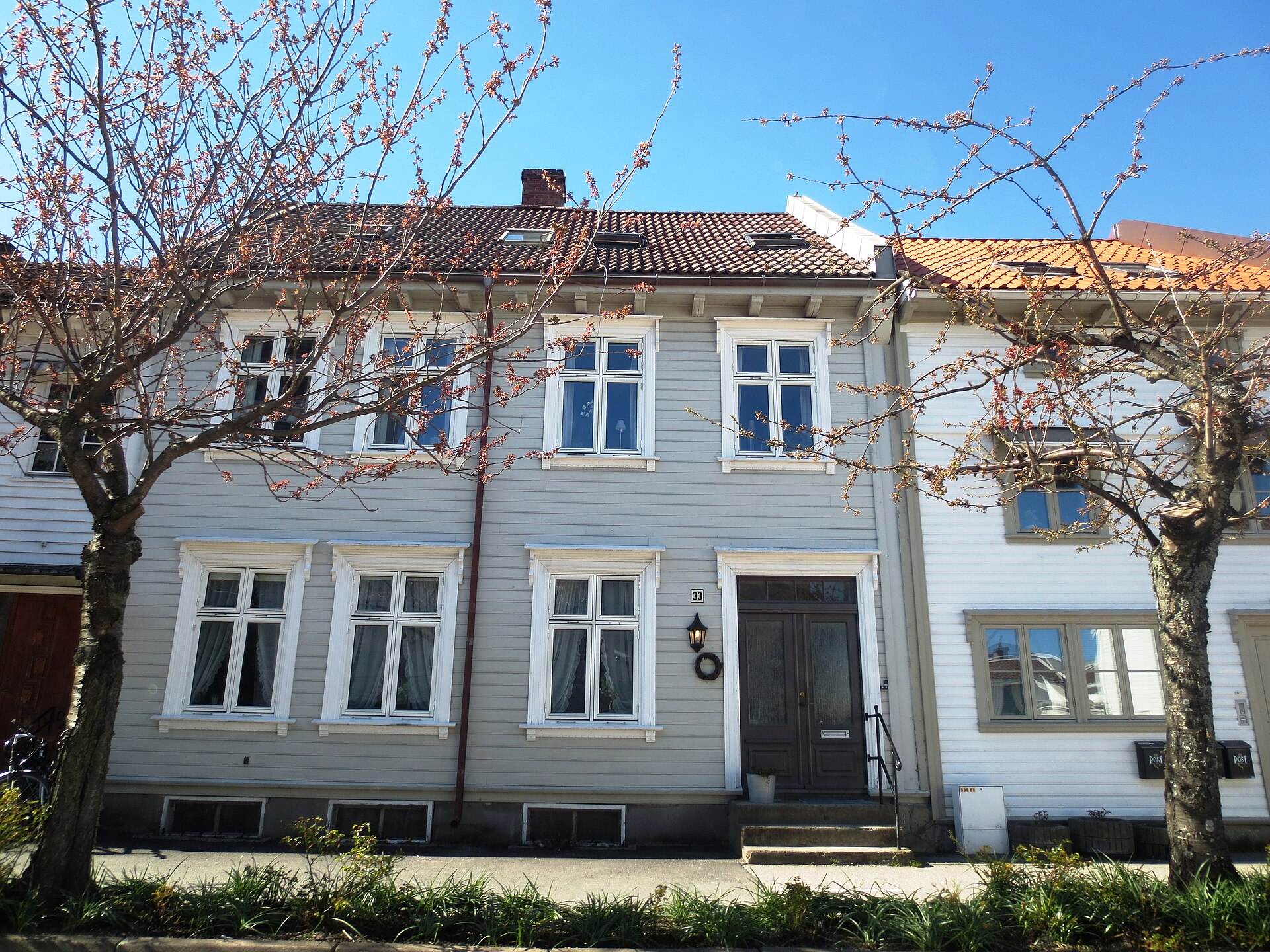
Kristiansand is the natural start because it is the arrival point: ferries from Denmark dock here, the airport takes European connections, and it sits at the eastern end of the E39. The part worth your morning is Posebyen, the surviving quarter of low white timber houses north of the market square. It is a short walk and costs nothing, which puts it firmly in the category of things you can do here without opening your wallet — a category that matters more in Norway than almost anywhere else.
The big-ticket item is Dyreparken, the zoo and amusement park on the eastern edge of town, and this is where I have to be blunt about pricing. Day tickets for 2026 start at 299 NOK ($32) for an adult and 269 NOK ($29) for a child, and that “start at” is doing heavy lifting: weekend dates and Norwegian school-holiday dates can push past 600 NOK ($64) per head. Booking online rather than at the gate saves 50 NOK ($5) per ticket, which is free money and takes two minutes.
My verdict: Dyreparken is genuinely good, but a family of four on a peak Saturday is looking at well over 2,000 NOK ($214) before coffee. If you are travelling this coast with children, book a shoulder-season weekday and you halve it.
Day 2 — Kristiansand to Lindesnes, about 80 km
Lindesnes Lighthouse sits at the southernmost point of mainland Norway, about 80 km west of Kristiansand. This is the single most useful stop on the route for the year-round argument, because of one detail almost nobody puts in writing: it is open every single day of the year except 24 December, 31 December and 1 January. Three days. Not “closed for the season”. Three days.
| Dates in 2026 | Opening hours |
|---|---|
| 1 January – 12 April | 11:00–16:00 |
| 13 April – 21 June | 11:00–17:00 |
| 22 June – 16 August | 10:00–20:00 |
| 17 August – 4 October | 11:00–17:00 |
| 5 October – 31 December | 11:00–16:00 |
Admission, checked September 2026: adult 150 NOK ($16), child aged 7 to 15 50 NOK ($5), under sevens free, student 75 NOK ($8), senior 100 NOK ($11), and a family ticket covering two adults and three children at 350 NOK ($37). There is an annual pass at 450 NOK ($48), which is only worth it if you live within an hour, but it tells you something about who actually comes here.
The site was first lit in 1656 using thirty tallow candles, which is a detail I like more the longer I think about it: thirty open flames on a headland that catches the full weight of the Skagerrak. The cast-iron tower you climb today went up in 1915 and stands 16.1 m. It is not a tall lighthouse. It does not need to be.
The other thing at Lindesnes is Under, Europe’s first underwater restaurant, with its dining room five metres below the surface and forty seats behind a single enormous window. It has held a Michelin star since 2020 and the tasting menu starts at 2,250 NOK ($241). My honest read: the food is properly good and the room is unlike anywhere else you will eat in Europe, but 2,250 NOK per person is roughly two nights of mid-range accommodation on this coast. Treat it as the reason for the trip or don’t book it at all. There is no casual version.
Day 3 — Flekkefjord and the railway nobody runs any more
Flekkefjord is a working town with a preserved timber quarter called Hollenderbyen. It is smaller and scruffier than Risør or Lyngør and I prefer it for exactly that reason.
The reason to stop is the rail biking. The Flekkefjordbanen opened in 1904 and closed to trains in 1990, and the operators now run pedal-powered rail bikes along it: 17 km each way, 34 km if you ride out and back, through seventeen tunnels. One of those tunnels is an unlit 1.2 km bore, and going into it with only a bike lamp is the most memorable twenty minutes on this entire route. Those figures come from a single operator source rather than a public register, so treat the tunnel count as reported rather than independently confirmed.
Verdict: this is the best half-day on the south coast. It is also physical work — 34 km on a rail bike is not a stroll — so if you want the tunnels without the legs, ride out and turn back early. Book ahead in July; there are a fixed number of bikes.
Day 4 — Scenic Route Jæren, 130 km of sand
This is the day the trip stops resembling everyone else’s south norway road trip. The Norwegian Scenic Route Jæren runs 130 km between Bore and Flekkefjord on the Fv507 and Fv44, and its highest point is 274 m above sea level. Its lowest is zero. That is the entire elevation profile of a day’s driving in Norway, and it is why this route does not close.
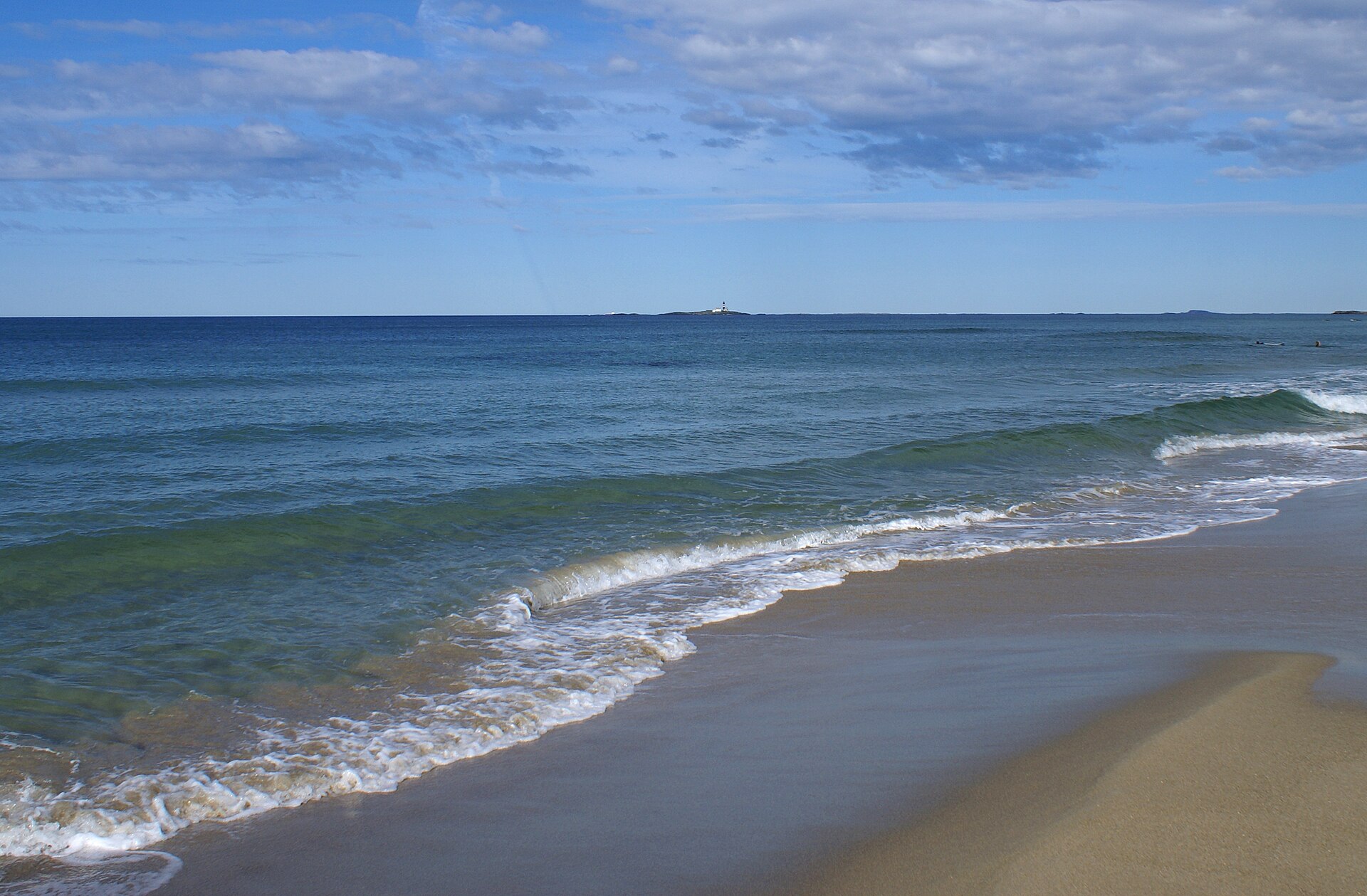
Jæren has Norway’s longest sand beaches — 70 km of dune coast, flat, wind-scoured and completely unlike the granite skerries you have been driving past for three days. The landscape here is agricultural: stone walls, low farms, no trees to speak of, and a horizon that goes all the way to the North Sea.
Take the signposted detour to Sogndalsstrand, a preserved timber village at a river mouth. It adds time and it is worth it. Drive the whole 130 km rather than dropping back onto the E39 when the Fv44 starts feeling slow; the E39 through this stretch is faster and shows you nothing. If you want a wider sense of how the country’s road network fits together before committing, our guide to moving around Norway by car, rail and boat covers the trade-offs.
Verdict: the best driving day of the five, and the one competitors omit entirely. Not one of the five pieces ranking for this term mentions the Jæren scenic route by name.
Day 5 — Stavanger, and the tunnel under the fjord
Bore sits close enough to Stavanger that Day 5 is mostly city time rather than driving. Gamle Stavanger, the old quarter, is preserved white wooden houses on cobbled lanes, and it is free to wander. The harbour front is where the oil money shows.
Before you finish, drive the Ryfylketunnelen. It opened on 30 December 2019, runs 14.4 km, and reaches 292 m below sea level, making it currently the world’s longest and deepest subsea road tunnel. Driving down a two-lane road for seven kilometres knowing there is a fjord above you is a strange and specific experience, and it is the cheapest thrill on this itinerary.
It will not hold the record long. Rogfast, under construction north of Stavanger, will run 27 km and reach 392 m below sea level. It is worth being precise about the timeline here because stale information circulates: the opening has slipped to 2033 from an original target of 2025–26, and the budget was revised from NOK 16.8bn in 2017 to NOK 24.8bn by November 2020 (roughly $1.8bn to $2.65bn). At least one well-known English-language Norway site still describes Rogfast as “planned to open in 2026”. It is not. If a source tells you that, check its date before trusting anything else on the page.
Both tunnels belong to the ferry-free E39 programme, a NOK 340bn (about $36bn) scheme to remove seven ferry crossings and cut the Kristiansand–Trondheim drive from roughly 21 hours to roughly 11. The stretch you have just driven is the finished part.
The seven-day version
Two extra days buy you the eastern coastal towns, which are prettier than anything between Kristiansand and Stavanger, and a Preikestolen day at the western end. Add them at either end of the core route.
| Extra day | Where | What it adds | Cost |
|---|---|---|---|
| Day 0 (before Kristiansand) | Risør, Tvedestrand, Lyngør | The three best-looking small towns on the coast | Ferry fare to Lyngør only |
| Day 6 (from Stavanger) | Preikestolen trailhead | 8 km return hike, about 4 hours | 275 NOK parking over 2 hours |
The eastern towns: Risør, Lyngør and Tvedestrand
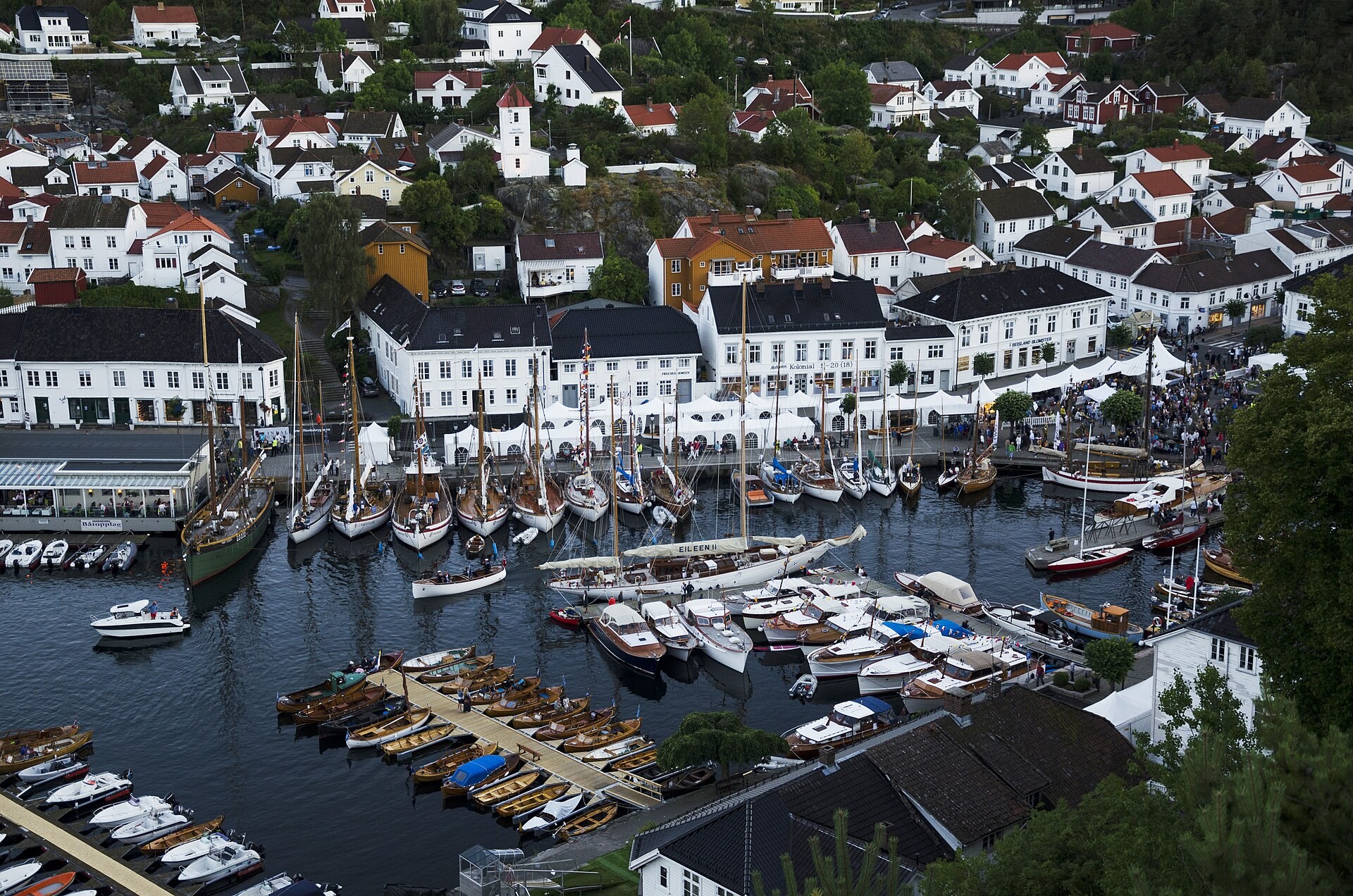
Risør was named Norway’s most beautiful wooden town in 1990, an award that sounds invented and is not; it is a bowl of white houses around a harbour and it holds up. Lyngør, further east, is car-free: four islets, about a hundred permanent residents, reachable only by boat from Gjeving, with ferries running year-round. It was named Europe’s cleanest village in 1991. Tvedestrand between them is Sørlandet’s designated book town, and holds Strykejernet, “the flat iron”, reputedly the narrowest house in Norway. All three of those claims come from a single tourism source each, so I’d take the superlatives as reported rather than adjudicated.
Lyngør is the one to prioritise. Leaving the car at Gjeving and arriving somewhere with no roads changes the register of the whole trip. It also makes the point about Sørlandet better than anything else on this list: this is a place built for Norwegians on holiday, not for coaches.
Preikestolen as a day trip from Stavanger
The trailhead is about 39 km and 45 minutes from Stavanger, which makes Preikestolen a comfortable day trip from the western end of this route. The trail is 8 km return and takes about four hours for most people. It carries over 300,000 hikers a year with peaks of 6,000 people in a single day in June, July and August, and I want to be honest that 6,000 people on an 8 km trail is a queue, not a wilderness. Our wider notes on walking routes across the country cover quieter alternatives if that number puts you off.
| Preikestolen parking 2026 | NOK | USD |
|---|---|---|
| Under 15 minutes | Free | — |
| Under 2 hours | 40 | $4 |
| Over 2 hours (the normal hiker rate) | 275 | $29 |
| Motorcycle | 100 | $11 |
| Bus | 1,200 | $128 |
You pay on exit and the barriers run 24 hours a day, all year. There are about 1,000 car spaces across two lots, P1 with 400 and P2 Moslimyrå with 600, plus 32 EV chargers. In peak August, P1 fills early and you will be walking from Moslimyrå. The rock itself overlooks the Lysefjord, and if you want the water-level view instead of the cliff-top one, the fjord cruises leave from Stavanger harbour.
The year-round argument, with numbers
Here is the structural case for Sørlandet, and it rests on two things nobody else on this search result quantifies.
First: there are no high mountain passes. The highest point on the Jæren scenic route is 274 m. The route never climbs above the treeline, never crosses a plateau, and has no seasonal gates. Compare that with Suleskarvegen, the inland shortcut running 425 km from Sandnes toward Oslo in about seven hours, which is only open from late May to early November. Half the year that road is simply not there. The same is true of the famous fjord-country passes: Trollstigen and Sognefjellet are seasonal roads, closed through the winter and often into spring. If you are planning a trip through the fjord region outside summer, road closures shape your entire route. On the south coast they do not exist.
Second: it is drier and sunnier, and here is by how much. Everyone writing about Sørlandet says it is Norway’s sunny side. Almost nobody puts a figure on it.
| Annual average | Kristiansand | Bergen | Difference |
|---|---|---|---|
| Sunshine hours | about 1,795 | about 1,135 | about 660 more hours of sun |
| Precipitation | about 1,325 mm | about 2,490 mm | about 1,165 mm less rain |
That is not a marginal difference. Kristiansand gets roughly 58% more sunshine and roughly half the rainfall of the fjord capital. Spread across a week of driving, that is the difference between photographing a coastline and watching it through a windscreen wiper. If you want to go deeper on regional variation, the month-by-month weather breakdown shows how the gap widens and narrows through the year — the south’s advantage is largest in autumn, when Bergen’s rainfall peaks.
The practical consequence: a southern Norway road trip in October or March is a real proposition. Lindesnes is open. The E39 is open. The Fv44 is open. Hotels cost less, and the coastal towns belong to the people who live in them again. That is not a claim you can make about any fjord itinerary, and it is the strongest reason to consider this region against the alternatives laid out in our overview of when to come to Norway.
What to skip, and who should not come here
I would rather lose your click than waste your week, so here is the honest half.
Skip the E39 wherever a coastal alternative exists. The trunk road is there to move freight, and on the Rogaland stretch it is a forgettable drive through cuttings. Every hour on the Fv44 instead is a better hour.
Skip Dyreparken if you have no children. It is aimed squarely at Norwegian families, who go every year. Two adults will have a mildly pleasant afternoon for the price of a very good dinner.
Skip Under unless it is the trip’s centrepiece. A 2,250 NOK ($241) tasting menu is not a stop, it is a decision. Make it deliberately or don’t make it. Our breakdown of what Norway actually costs day to day puts that figure in context against the rest of a week’s budget.
Do not try to bolt a fjord onto this. The temptation is to finish in Stavanger and push north to Bergen and Geiranger, which is exactly what four of the five competing itineraries do. It turns a coherent coastal trip into a transit exercise. If you want the fjords, plan a fjord trip and give it the days it needs; there are dedicated route plans for that, and they are a different holiday. If you want that holiday by car, a day-by-day fjord road trip is the place to start.
Who should genuinely not come
If your mental image of Norway is a thousand-metre rock wall dropping into black water, Sørlandet will disappoint you and you should not book it. The south coast is low, rounded, granite and pine, with a maximum elevation on the scenic route of 274 m. It is beautiful in the way the Swedish archipelago or the Maine coast is beautiful, not in the way Geiranger is. Nothing here will make you gasp.
If you have four days in Norway total and it is your only visit, go elsewhere. This route rewards the second or third trip, when you have already seen the headline landscapes and want to know what the country is like when it is not performing. First-timers with limited time are better served by the shortlist in our guide to where to go on a first visit.
If you are travelling without a car, this does not work. There are trains and coastal buses, but the entire argument for a Sørlandet road trip is the ability to turn off the trunk road onto a county road for four hours. Without that, you are just visiting Kristiansand.
What the week costs
Ticketed attractions on this route are cheap by Norwegian standards, because most of what you are doing is looking at coastline from a road. Here is the full admissions picture, checked September 2026.
| Item | NOK | USD |
|---|---|---|
| Lindesnes Lighthouse, adult | 150 | $16 |
| Lindesnes, child 7–15 | 50 | $5 |
| Lindesnes, under 7 | Free | — |
| Lindesnes, student | 75 | $8 |
| Lindesnes, senior | 100 | $11 |
| Lindesnes, family (2 adults + 3 children) | 350 | $37 |
| Lindesnes annual pass | 450 | $48 |
| Dyreparken, adult day ticket from | 299 | $32 |
| Dyreparken, child day ticket from | 269 | $29 |
| Dyreparken online booking saving, per ticket | −50 | −$5 |
| Preikestolen parking, full day | 275 | $29 |
| Under, tasting menu from | 2,250 | $241 |
Add fuel, food and beds and the total for two people over five days sits well below the same week in the fjord region in July, because accommodation in Mandal or Flekkefjord is not competing with cruise passengers. Our notes on choosing where to base yourself apply with one adjustment: on this coast, small-town guesthouses genuinely undercut the chains. Fuel, tolls and car hire are priced separately in my road-trip cost guide.
Frequently asked questions
How many days do you need for a southern Norway road trip?
Five days covers Kristiansand to Stavanger properly, with two of those days on National Scenic Routes rather than the E39. Seven days lets you add the eastern towns of Risør, Tvedestrand and Lyngør before you start, plus a Preikestolen day from Stavanger at the end. Anything under four days and you are just driving the E39, which takes three hours and shows you very little.
Is southern Norway worth visiting compared with the fjords?
They are not competing for the same visitor. The fjords are vertical and seasonal; the south coast is low, sunny and open all year. If it is your first trip and you have a week, go to the fjords. If you have been before, or are travelling outside summer, the south coast is the better week.
How long does it take to drive from Kristiansand to Stavanger?
About 240 km on the E39, roughly three hours of driving, with no ferry crossings anywhere on the route. The first E39 ferry heading north is Boknafjord, which is above Stavanger. Taking the coastal Fv44 through Jæren instead adds distance and several hours, and is the better drive.
Can you road trip Norway in winter?
On this route, yes, and that is unusual. There are no mountain passes and no seasonal gates between Kristiansand and Stavanger, so the road is maintained through the winter like any other coastal trunk route. Compare that with Suleskarvegen inland, open only from late May to early November, or the high fjord passes that close for months. You still need winter tyres and short daylight discipline, but the road is there.
What is the prettiest town in southern Norway?
Risør holds the formal title, having been named Norway’s most beautiful wooden town in 1990, and it earns it. Lyngør is the more interesting visit: car-free, four islets, about a hundred permanent residents, boat-only from Gjeving with ferries running all year, and named Europe’s cleanest village in 1991. Both superlatives come from single tourism sources, so read them as reputation rather than measurement.
How much does Lindesnes Lighthouse cost?
Adult admission is 150 NOK ($16), children aged 7 to 15 pay 50 NOK ($5), under sevens go free, and a family ticket for two adults and three children is 350 NOK ($37). Students pay 75 NOK ($8) and seniors 100 NOK ($11). It is open every day of the year except 24 and 31 December and 1 January, with hours varying by season from 11:00–16:00 in winter to 10:00–20:00 at midsummer.
Can you visit Preikestolen from Kristiansand?
Not as a day trip. The trailhead is about 39 km and 45 minutes from Stavanger, which is itself 240 km and three hours from Kristiansand, so you would be looking at nearly seven hours of driving plus a four-hour hike. Do it from Stavanger at the end of the route instead, which is exactly why this itinerary runs west rather than east.
Is southern Norway cheaper than the rest of the country?
The attractions are, because there are fewer of them and they are modestly priced: Lindesnes at 150 NOK ($16) is the most expensive ticket on a five-day route. Accommodation in the smaller coastal towns outside July is noticeably below Bergen and Oslo rates. Food, fuel and alcohol cost what they cost everywhere in Norway, so the saving is real but partial.
Photo credits
- Lindesnes is open every day of the year except three, which is the whole argument for this route. — Photo: Svein-Magne Tunli – tunliweb.no / CC BY-SA 4.0 via Wikimedia Commons.
- Risor was named Norway’s most beautiful wooden town in 1990. — Photo: Peulle / CC BY-SA 4.0 via Wikimedia Commons.
- The Jaeren scenic route runs 130 km along Norway’s longest sand beaches. — Photo: Randi Hausken from Bærum, Norway / CC BY-SA 2.0 via Wikimedia Commons.
- Posebyen is the old wooden quarter of Kristiansand, and it is free to walk. — Photo: Bjoertvedt / CC BY-SA 3.0 no via Wikimedia Commons.
Prices, opening hours and route figures checked September 2026, converted at 9.35 NOK to 1 USD. Lindesnes hours change five times a year and Dyreparken uses dynamic date-based pricing, so confirm both before you travel. The Rogfast opening date has moved repeatedly and older sources still quote 2026 — the current programme date is 2033.