I’ve lost count of how many Norway trips I’ve planned — my own, and increasingly the ones for friends-of-friends who heard I’m the person to pester with questions. The same ones come up every time. So here are the Norway travel tips I actually give people: the practical, slightly unglamorous stuff about money, weather, visas and getting around that decides whether your trip is a smooth one or an expensive, soggy scramble.
The short version: the most useful Norway travel tips for 2026 are to budget more than you expect (Norway is pricey, though no longer Europe’s priciest), pack genuinely waterproof layers, carry a contactless card instead of cash, check whether you need an ETIAS travel authorisation before you fly, and book summer beds months ahead. Everything else is detail — and it’s all below, learned the hard way over a lot of trips.
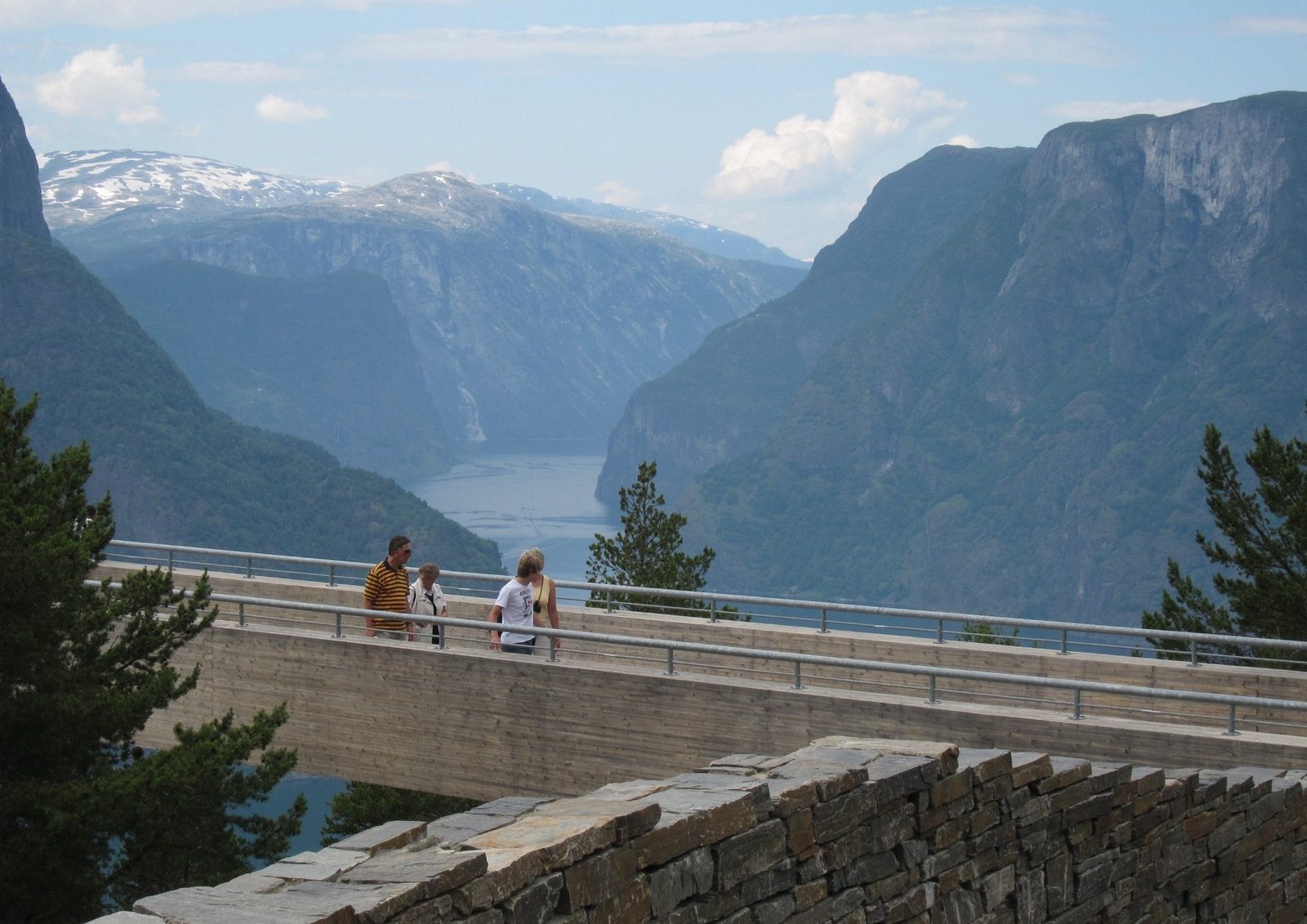
This is the planning hub for the whole site. Think of it as the pre-flight checklist: the things that don’t fit neatly into a destination guide but that you’ll be glad you sorted before you land. Where a topic deserves its own deep dive — what Norway actually costs, the best time of year to visit, or how to get around — I’ll point you to the full guide rather than repeat it.
Norway trip essentials at a glance
If you read nothing else, read this. Here’s the planning shortlist I run through before every trip, with the detail in the sections that follow.
| Essential | What to do (2026) |
|---|---|
| Passport & entry | Passport issued within 10 years, valid 3+ months after you leave. Check whether ETIAS has launched (expected late 2026); the EES biometric border system is already live. |
| Travel insurance | Non-negotiable. You want repatriation cover and, if you’ll hike/ski/snowmobile, explicit adventure-activity cover. |
| Money | Bring a contactless card (ideally a no-foreign-fee one). Norway is almost entirely cashless. Always pay in NOK, never your home currency. |
| Connectivity | EU/EEA SIM? You roam free. Everyone else: grab an eSIM before you fly. |
| Clothing | Waterproof, windproof layers and real shoes — whatever the season. The weather does not care about your plans. |
| Plugs | 230V, European type C/F. UK and US visitors need an adapter; most chargers handle the voltage fine. |
| Booking | For summer or aurora season, lock in Lofoten/Tromsø/Bergen beds and any cabins months ahead. |
| Budget | Plan roughly NOK 1,400–2,800 (about $140–280) per person per day mid-range, more in cities. |
A note on prices throughout this guide: everything is in Norwegian kroner (NOK), and I’ve converted at roughly 10 NOK to the US dollar, which is about where the krone sat in mid-2026. Rates move, so treat the dollar figures as ballpark and see the full cost guide for the detailed breakdown.
Do you need a visa or ETIAS to visit Norway?
Norway isn’t in the European Union, but it is part of the Schengen Area, so the same entry rules apply as for France or Germany. For most Western visitors that means no visa for short stays — but the paperwork around the edges changed in 2026, so this is worth getting right. Our briefing for first-time visitors goes through the same rules alongside current prices and the etiquette people trip over.
The 90/180-day rule
If you hold a US, UK, Canadian, Australian, New Zealand or most other visa-exempt passports, you can visit Norway and the rest of Schengen for up to 90 days within any rolling 180-day period without a visa. “Rolling” is the part people miss: it’s not a calendar that resets on a fixed date. On any given day, border officers can look back over the previous 180 days and add up how many you’ve already spent in the zone. If you’re only coming for a normal holiday, you’ll be nowhere near the limit — but if you’re hopping around Europe for months, count carefully.
Your passport needs to have been issued within the last 10 years and stay valid for at least three months beyond the day you plan to leave Schengen. Border staff can also, in theory, ask to see proof of onward travel, accommodation and enough money to support yourself, though in practice that’s rare for tourists.
ETIAS: still not launched, and no date has been set
Here’s the one genuinely new thing. ETIAS — the European Travel Information and Authorisation System — is a pre-travel authorisation, broadly like the US ESTA, that visa-exempt visitors will need before entering Schengen, Norway included. As of mid-2026 it is not yet required. The EU had been working towards a launch in the last quarter of 2026, but that target was dropped in July 2026 over problems with the underlying IT systems. As things stand there is no confirmed start date at all, and eu-LISA’s management board was due to meet in September 2026 to set a revised timeline. The rule that the exact date must be announced at least six months in advance still applies, so nothing can begin without plenty of warning.
I’d flag this loudly, because a lot of travel sites are still telling people to apply now. You cannot: there is nothing to apply for, and any site charging you for an ETIAS today is a scam. Before you book, check the official source at travel-europe.europa.eu to see whether ETIAS has gone live for your travel dates. When it does, the details the EU has confirmed are a €20 fee (free for under-18s and over-70s), validity of three years or until your passport expires, multiple entries, and an online application that’s approved for most people within minutes — though a minority get bumped to manual review that can take days. Apply early, not at the airport. We’ll keep a dedicated ETIAS-for-Norway guide updated as part of this series.
EES: the biometric border is already here
Separately from ETIAS, the EU’s Entry/Exit System (EES) became fully operational across Schengen on 10 April 2026. This one you’ll actually meet at the border. Instead of an officer stamping your passport, non-EU visitors are now registered digitally: on your first entry you’ll give four fingerprints and a facial photo, usually at a self-service kiosk. It takes a few minutes, so leave a little extra time on arrival, especially at busy hubs like Oslo Gardermoen. On return visits within the three-year data window, it’s just a quick face scan. Your passport no longer gets stamped — the system tracks your days automatically.
Travel insurance for Norway — and why you really shouldn’t skip it
This is the tip people most want to argue with, usually the ones who “never bother.” In Norway, I think that’s a mistake, and the reason isn’t what most articles tell you.
First, the healthcare reality, because there’s a lot of outdated advice floating around. If you’re from the EU/EEA or Switzerland and carry a valid EHIC, or you’re a UK visitor with a GHIC, you’re covered for necessary public healthcare in Norway on the same terms as locals. That last bit matters: it doesn’t mean free. You’ll pay the same patient fee (egenandel) a Norwegian pays for a GP or out-patient visit; emergency hospital admission is free, and kids are treated free. One detail that trips people up — Norway only accepts the physical card, not a digital screenshot, so dig it out before you travel. (And note the common myth that the UK GHIC “doesn’t work in Norway” is now wrong: a UK–EFTA agreement fixed that back in 2024.)
So why insure on top of that? Because of what the EHIC/GHIC pointedly does not cover: getting you home. Norway’s domestic search-and-rescue and air ambulance are genuinely free — if you snap an ankle on a trail, the helicopter that fetches you won’t bill you. But a medical repatriation flight back to your own country can run well over NOK 100,000 (roughly $10,000 and frequently much more), and that’s entirely on you. Add lost luggage, cancellations, and the cost of treatment if you’re a non-European with no reciprocal cover at all, and a $40 policy starts looking sensible.
A few things to actually check when you buy, rather than just ticking the cheapest box:
- Repatriation and emergency medical evacuation — the big one. Make sure the medical cover is generous (think in the millions, not thousands).
- Adventure activities, listed explicitly. This is where standard policies quietly fail you in Norway. Glacier hiking, Lofoten ridge scrambles, snowmobiling, ski touring, fjord kayaking, RIB safaris — the very things you came for — are often excluded unless your policy names them. Read the activity list, don’t assume.
- The Schengen minimum. Schengen rules technically require visitors to hold travel insurance with at least €30,000 of medical cover; any decent policy clears this easily, but it’s worth knowing.
- Gear and cancellation if you’re carrying expensive camera or ski kit, or have booked pricey, non-refundable cabins.
If something does go wrong, keep any police or rescue report — insurers ask for it. We go deeper on choosing a policy in our dedicated travel-insurance-for-Norway guide, coming as part of this series.
Money in Norway: the world’s most cashless country
If there’s one cultural fact that genuinely changes how you pack, it’s this: Norway is about as close to a cashless society as exists on Earth. Something like 95% of transactions are digital, and cash makes up a tiny single-digit share of payments. I’ve spent ten days in Norway and not touched a coin. So the headline money tip is almost embarrassingly simple.
Bring a card, not a wallet of cash
A contactless debit or credit card is accepted virtually everywhere — hotels, taxis, museums, mountain cafes, even the unstaffed honesty-box farm stall selling eggs by a fjord. Apple Pay and Google Pay work widely too. The single best money move is to travel with a card that charges no foreign-transaction fee (the likes of Wise, Revolut or a good travel credit card), because on a trip this card-heavy, a 2–3% fee on everything adds up fast.
The Vipps trap
You’ll see Vipps — Norway’s dominant mobile-payment app — everywhere, and you might wonder if you should set it up. Don’t bother: it requires a Norwegian national ID number and a local bank account, so as a tourist you almost certainly can’t use it. Your contactless card does the same job.
Do you need any cash at all?
Honestly, barely. I carry a small cushion — maybe NOK 200–500 (about $20–50) — purely for the rare honesty box, rural toilet, or that one cabin run by someone who likes notes. ATMs (look for “Minibank“) are easy to find in towns if you run short; Norwegian machines usually don’t charge their own fee, though your home bank might.
Always pay in kroner
When a card terminal or ATM cheerfully offers to charge you “in your home currency,” always decline and choose NOK. That friendly offer is dynamic currency conversion, and it bakes in a markup that’s worse than your bank’s rate. One tap, real money saved.
Tax-free shopping and tipping
Norway’s VAT is a hefty 25% on most goods (15% on groceries, 12% on things like transport and accommodation). If you live outside Norway, Sweden, Denmark and Finland, you can claim a refund on purchases over NOK 315 in a single store — though after the refund operator (Global Blue or Planet) takes its cut, you’ll get back something like 12–19%, not the full 25%. Get the form stamped at the airport/border refund desk before you leave, and within 30 days of buying. As for tipping: it’s not expected. Service is built into prices. For genuinely good restaurant service most people round up or add around 5–10%, usually straight on the card terminal — there’s no cash-on-the-table custom here.
How expensive is Norway, really?
Expensive — but here’s the twist that surprises returning visitors: Norway is no longer the most expensive country in Europe. A strong-ish dollar and euro against the krone mean that by 2026, Switzerland and Iceland generally out-price it. That doesn’t make Norway cheap. It means your money goes further than the horror stories suggest, especially if you cook some of your own meals and go easy on the bar tab.
Here’s a snapshot of typical 2026 prices to calibrate your expectations. Treat these as mid-range ballparks; the full Norway cost guide has the detail, regional variation and money-saving math.
| Item | Typical price (NOK) | Approx USD |
|---|---|---|
| Coffee (cafe) | 45–60 | $4.50–6 |
| Pint of beer (bar) | 90–130 | $9–13 |
| Casual main / cafe lunch | 180–260 | $18–26 |
| Sit-down dinner main | 250–400 | $25–40 |
| Supermarket groceries (per day) | 120–200 | $12–20 |
| City single transit ticket | 40–65 | $4–6.50 |
| Mid-range hotel (double, per night) | 1,400–2,400 | $140–240 |
| Hostel dorm bed | 350–550 | $35–55 |
Rough daily budgets, per person: a frugal traveller using hostels, supermarkets and public transport can do it on around NOK 900–1,300 ($90–130); a comfortable mid-range trip with hotels and the odd restaurant meal lands around NOK 1,400–2,800 ($140–280); and once you add guided tours, nice dinners and design hotels you’re well north of NOK 3,500 ($350) a day.
The biggest savings levers, in order: eat from supermarkets (Rema 1000, Kiwi and Coop Extra are the budget chains) and make use of hotel breakfasts; drink less in bars and more from Vinmonopolet or a supermarket; book transport early for cheap advance train and bus fares; and lean on the right to roam for free wild camping if you’re equipped for it. More on all of those below.
When to go: a 60-second version
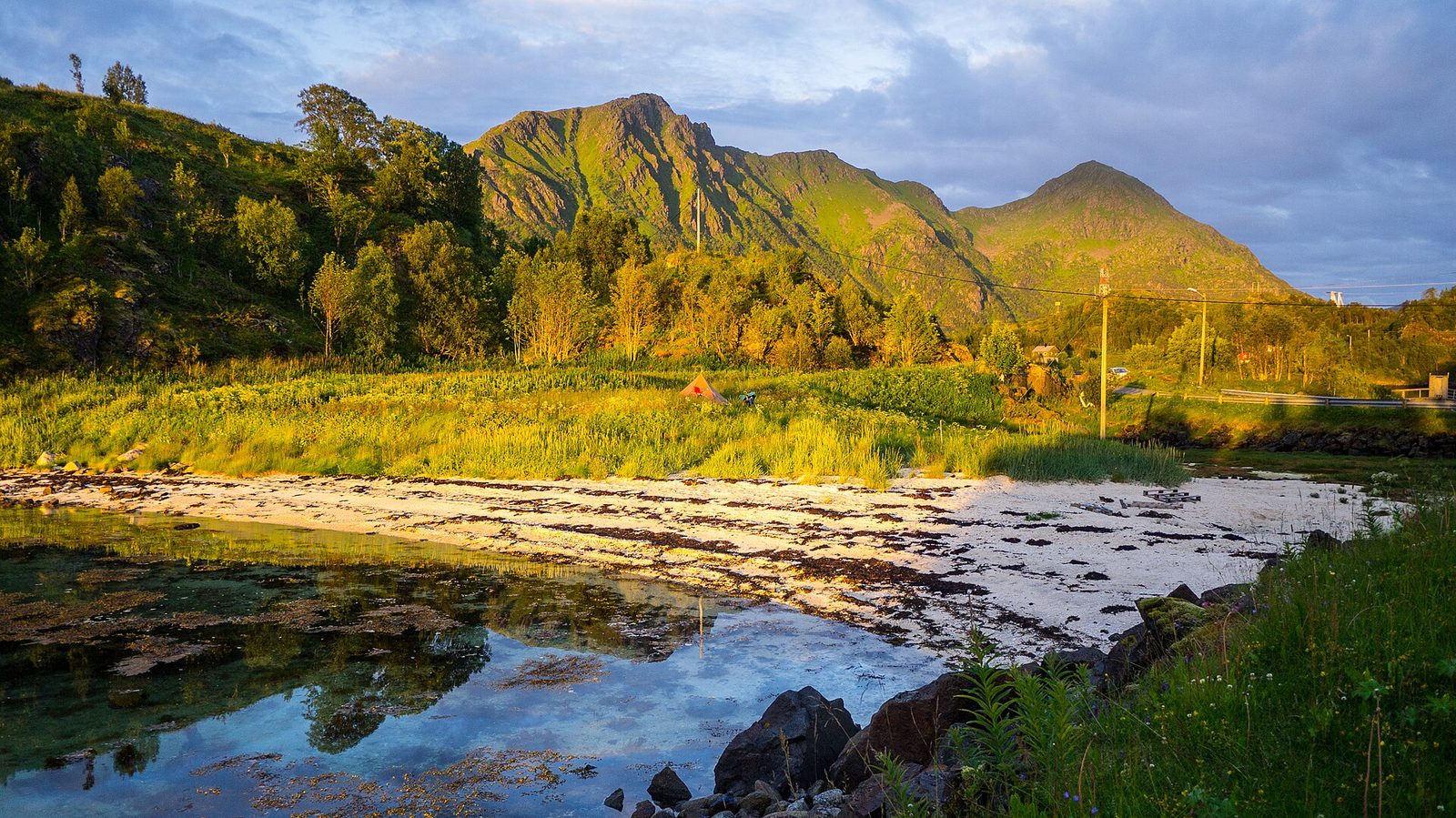
Timing shapes a Norway trip more than almost anywhere I can think of — the same fjord is a green, 20-hour-daylight playground in July and a dark, frozen, aurora-lit hush in January. Here’s the compressed version; the month-by-month best-time-to-visit guide goes deep.
| Season | What you get | Watch out for |
|---|---|---|
| Summer (Jun–Aug) | Midnight sun, all hiking and roads open, ferries and boats in full swing, warmest weather | Peak prices and crowds; book beds early |
| Shoulder (May, Sep) | Fewer people, good value, autumn colour or spring waterfalls | Some mountain roads/attractions not yet open or closing |
| Winter (Oct–Mar) | Northern lights, snow activities, cosy prices in the south | Short daylight (polar night up north), cold, some roads closed |
The headline: come in summer for the classic fjords-and-hiking trip, and in winter (roughly late September to March, peaking January–February) for the aurora. If you want the long version, including what each month actually feels like region by region, that’s all in the Norway in winter guide too.
The corollary is knowing which dates to book around. Norway has a handful of specific traps — the Easter shutdown, the school holiday in week 8, and mountain passes that stay closed well into June — and we list them with dates in our guide to the weeks that ruin Norwegian trips.
When to book flights, hotels and tours
Norway punishes last-minute summer planning more than most destinations, because supply in the photogenic places is genuinely limited. There are only so many cabins in Lofoten.
My rules of thumb:
- Summer accommodation in the hotspots — Lofoten, Tromsø, Bergen and the popular fjord villages — book three to six months ahead, and earlier still for unique stays like the Lofoten rorbuer (fishermen’s cabins) or anything with a view and only eight rooms.
- Aurora-season cabins and glass igloos up north (December–February especially) sell out earliest of all — treat them like concert tickets and book the moment your dates are firm.
- Coastal voyages with Hurtigruten or Havila, and packaged trips like Norway in a Nutshell, also reward booking months out for peak dates.
- Flights: for long-haul into Oslo, I’d start watching fares two to five months ahead and book summer and Christmas on the earlier side. There’s no magic day-of-the-week trick worth stressing over.
For help turning all this into an actual route, our Norway itinerary and road-trip guide lays out 5-, 7- and 10-day plans you can copy.
Getting around: the basics, and the driving rules you must know
Two things will save you grief here. First, distances are far bigger than the map implies. Norway is long and crinkled; a route that looks like a two-hour drive becomes five once you factor in winding fjord roads, tunnels, mountain passes and the car ferries that are simply part of the road network. Build ferry waits and slow roads into every plan, and don’t try to “see Norway” in a week — pick a region.
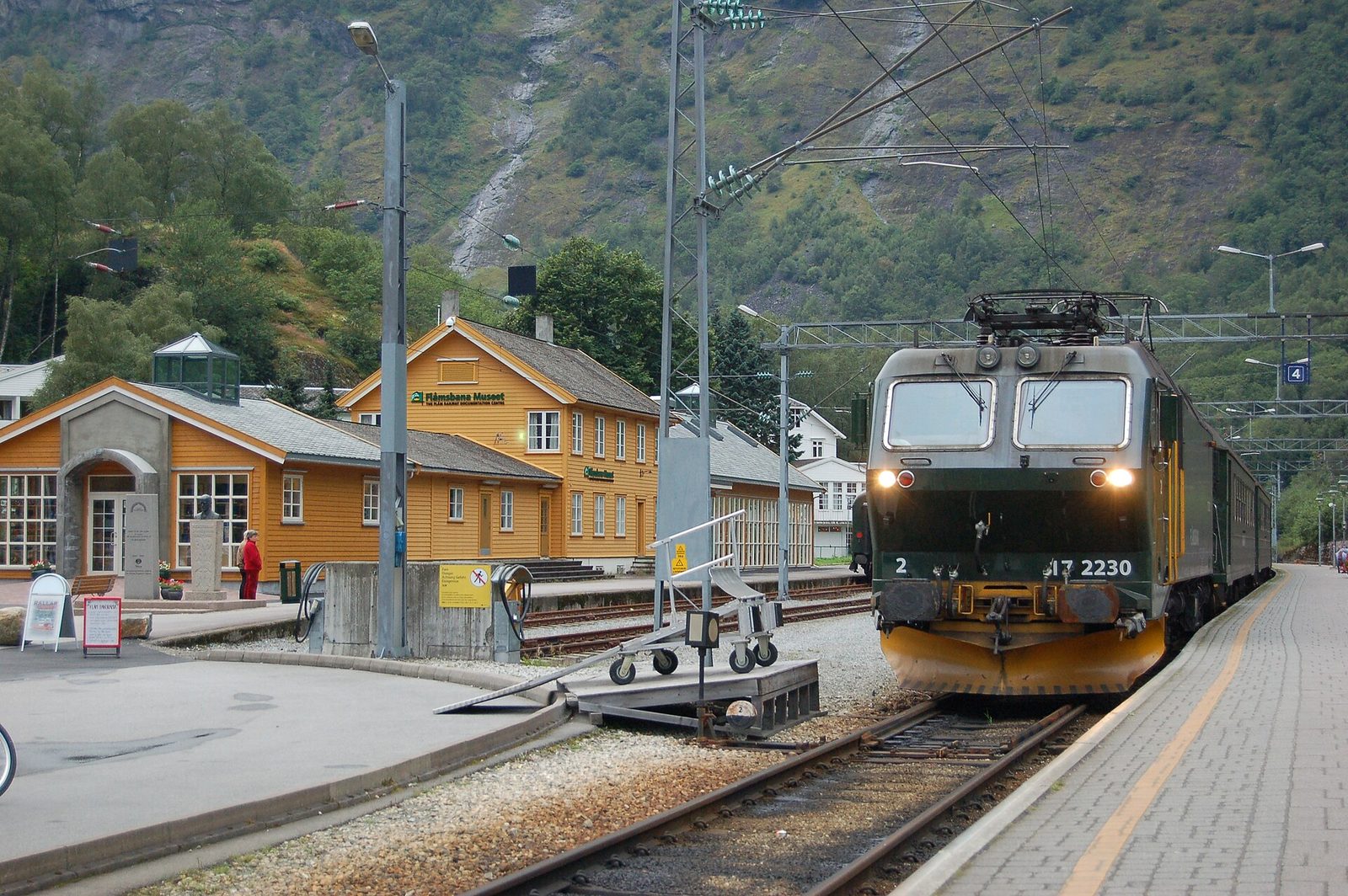
For public transport, the one app to download is Entur, which plans and ticket-books trains, buses and ferries across operators nationwide. Book longer train journeys early for the cheap advance fares. (Google Maps, fair warning, is unreliable for Norwegian public transport — trust Entur instead.) The full breakdown of trains, buses, ferries, domestic flights and passes lives in our getting around Norway guide.
If you’re renting a car — the best way to see the fjords and the fjord country at your own pace — a handful of rules genuinely matter:
- Headlights on, always. Daytime running lights are mandatory 24/7, year-round, even in blazing midnight sun. Rentals handle this automatically, but know it’s the law.
- Drink-driving is effectively zero-tolerance. The limit is 0.02% blood alcohol — below a single drink. Don’t. Norwegians don’t, and the penalties are severe.
- Tolls are all electronic (AutoPASS). There are no cash booths; cameras read your plate and the charges are billed through your rental company (confirm how yours handles it). City toll rings around Oslo and Bergen add up, so factor them in.
- Watch for wildlife — moose, reindeer and sheep on the road, especially at dawn and dusk. Hitting a moose is as bad as it sounds.
- Mind the seasons. Many scenic mountain roads close in winter, and winter driving needs proper tyres and nerve. Check road status before high passes.
What to pack for Norway
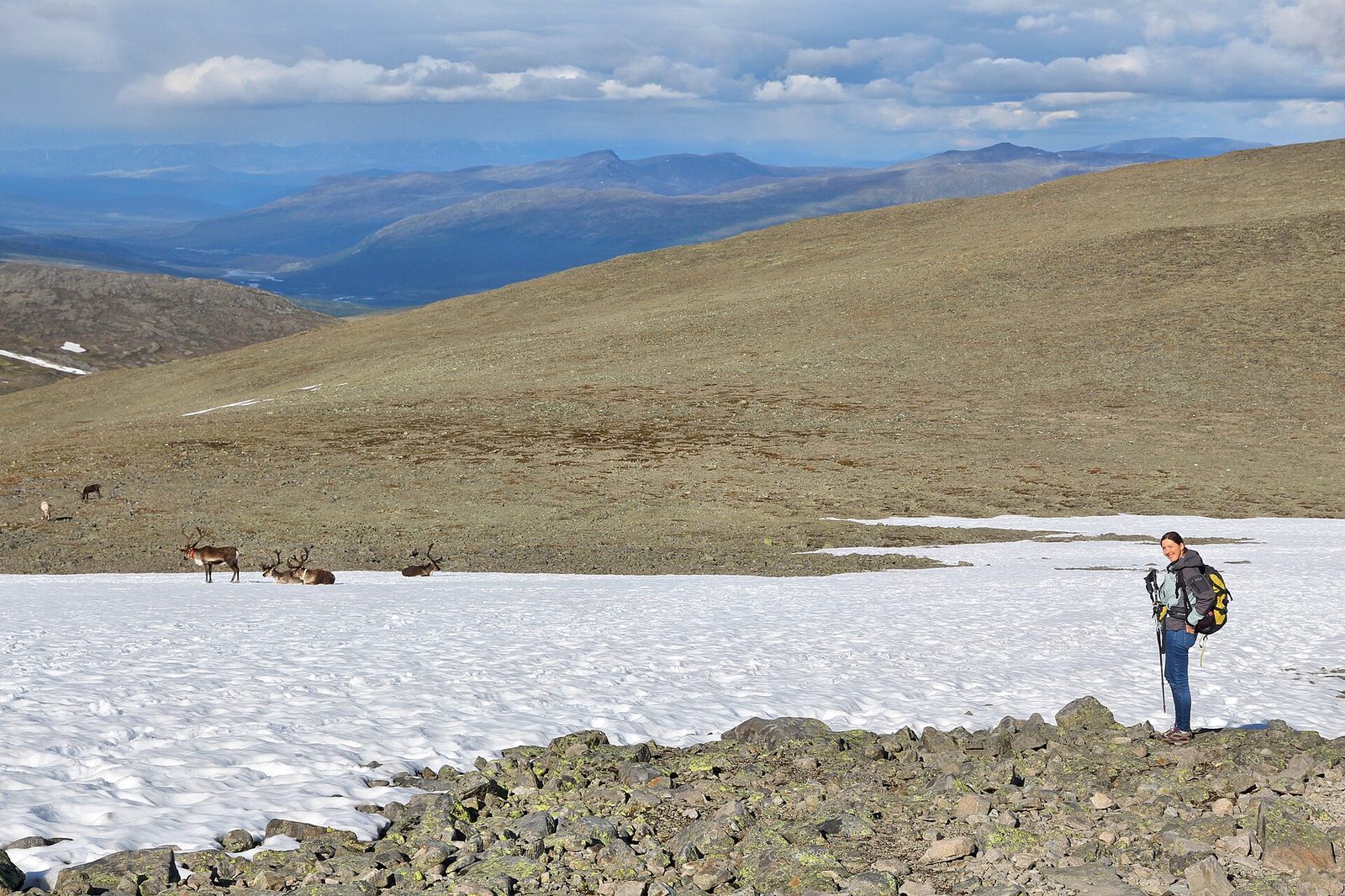
There’s a Norwegian saying you’ll hear within a day of arriving: “Det finnes ikke dårlig vær, bare dårlige klær” — “there’s no such thing as bad weather, only bad clothing.” It’s not a cute slogan; it’s a packing philosophy, and it’s correct. The weather here can deliver sun, rain and wind in a single afternoon, even in July, and especially on the west coast.
Pack like an onion, in layers you can add and shed:
- A base layer of wool or synthetic — not cotton, which holds damp and chills you.
- An insulating mid-layer — a fleece or light down.
- A genuinely waterproof and windproof shell. This is the item people skimp on and regret. A cheap “water-resistant” jacket will not cut it in Bergen.
- Sturdy, broken-in, waterproof shoes or boots. Even city sightseeing involves cobbles, hills and rain.
- Hat, gloves and a warm layer even in summer if you’re heading north or up high.
- An eye mask for summer — the midnight sun is real, and it will keep you awake.
What you don’t need: lots of formal wear (Norway is famously casual), an umbrella (the wind eats them — use your hood), or bottled water (more on that below). A full season-by-season packing list is coming in this series.
Staying connected: eSIM, SIM and Wi-Fi
How you handle data depends entirely on where your phone plan is from:
- EU/EEA travellers: good news — Norway is in the EEA, so the EU’s “Roam Like at Home” rules apply and your home SIM works here at no extra charge, on your usual allowance. Do nothing.
- UK travellers: post-Brexit, UK SIMs are not covered, so check your provider — some still bundle Europe roaming, others charge. If yours charges, treat it like the rest of us below.
- Everyone else (US, Canada, Australia…): the easiest option in 2026 is an eSIM you activate before you fly. Data-only providers like Airalo run roughly $5 for a small bundle up to $30-odd for 20 GB; unlimited-data options like Holafly start around $7 for a short trip. You can also buy a local Telenor, Telia or Ice prepaid SIM once you arrive.
Coverage is excellent in towns, along main roads and even across much of the Arctic — but expect dead zones in the remote mountains, deep fjords and high-country backcountry. Don’t rely on a phone signal for safety when you’re hiking off the beaten track; download offline maps first. Free Wi-Fi is common in hotels, cafes and on much public transport.
Electricity and plugs
Norway runs on 230 volts, 50 Hz, with the standard round-pin European plugs (types C and F). If you’re coming from continental Europe, your plugs already fit. UK and US visitors need a travel adapter. The voltage is rarely a problem — phone and laptop chargers are almost all dual-voltage (check for “100–240V” on the brick) — but high-wattage US gadgets like hair tools may not play nicely, so check before you plug in.
Is Norway safe? Emergency numbers, weather and health
Yes — reassuringly so. Norway is one of the world’s lowest-crime countries (the homicide rate is around 0.7 per 100,000), and violent crime against tourists is rare. Oslo has the usual big-city pickpocketing in crowded spots, so keep the normal wits about you, but I’ve never felt remotely unsafe here, day or night. It’s also widely regarded as very safe for solo, female and LGBTQ+ travellers, with strong legal protections and a culture that frowns on harassment.
The thing worth recalibrating is what “danger” means in Norway. The real risks aren’t people — they’re nature and weather. Fast-changing mountain conditions, cold-water immersion in the fjords, winter avalanches, and demanding roads cause far more trouble than crime ever will. Respect that, and check conditions before you head out:
- yr.no — the superb official weather forecast (from the Met Office and NRK). Norwegians plan their lives around it.
- varsom.no — official avalanche, flood and landslide warnings.
- ut.no — trail conditions and routes for hiking.
Keep these emergency numbers in your phone:
| Number | For |
|---|---|
| 112 | Police (emergencies) |
| 113 | Ambulance / medical emergency |
| 110 | Fire |
| 116 117 | Non-emergency / out-of-hours medical (legevakt) |
Two health notes that genuinely save money and worry. Tap water is excellent everywhere — some of the best in the world — so do not buy bottled water; carry a reusable bottle and fill it from the tap. And on wildlife: mainland Norway has no dangerous predators you’ll realistically meet (bears and wolves are rare and shy). The famous exception is Svalbard, where polar bears roam and you’re legally required to carry a firearm and/or a licensed guide outside the settlements. On the mainland, just give wild reindeer and the musk oxen of Dovrefjell a wide berth (200 metres for the musk oxen — they look placid and are not).
Food, drink and the famous alcohol rules
Eating well without emptying your wallet is an achievable skill in Norway. Supermarkets are your friend: Rema 1000, Kiwi and Coop Extra are the budget chains, gas-station and bakery hot food (the humble pølse, a hot dog) is a cheap classic, and a big hotel breakfast can quietly double as lunch. Splurge where it counts — fresh seafood, a Bergen fish-market lunch, brown cheese you’ll either love or photograph — and graze cheaply the rest of the time.
Now, the alcohol rules, which baffle every first-timer:
- Wine, spirits and stronger beer can only be bought at Vinmonopolet, the state-run liquor monopoly. Anything above 4.75% alcohol comes from “the Pol” and nowhere else.
- Supermarkets sell only beer and cider up to 4.7%, and even then under time limits: typically no shop alcohol sales after about 8pm on weekdays, 6pm on Saturdays, and none at all on Sundays. Miss the cut-off and you’re out of luck until tomorrow. (Exact times are set locally, so they can be a touch earlier.)
- Vinmonopolet’s own hours are limited too — roughly weekdays until 6pm, Saturdays until 3pm, closed Sundays and holidays. Plan ahead for a Saturday-night bottle.
- It’s expensive by design: high taxes mean a bar pint runs NOK 90–130 (about $9–13). The legal age is 18 for beer and wine, 20 for spirits.
The practical takeaway: if you want a drink with a self-catered dinner, buy it earlier in the day than you think, and on a Saturday, earlier still.
Culture and etiquette you’ll be glad you knew
Norwegians are warm but reserved, and a few unwritten rules smooth everything:
- Quiet and personal space are valued. Public transport is hushed; people queue politely and won’t crowd you. Match the volume.
- There’s no “buying a round” culture — given drink prices, everyone happily pays for their own, and no offence is taken.
- Silence is comfortable. A pause in conversation isn’t awkward here; you don’t need to fill it.
- Dress is casual almost everywhere, including nice restaurants. Function over formality.
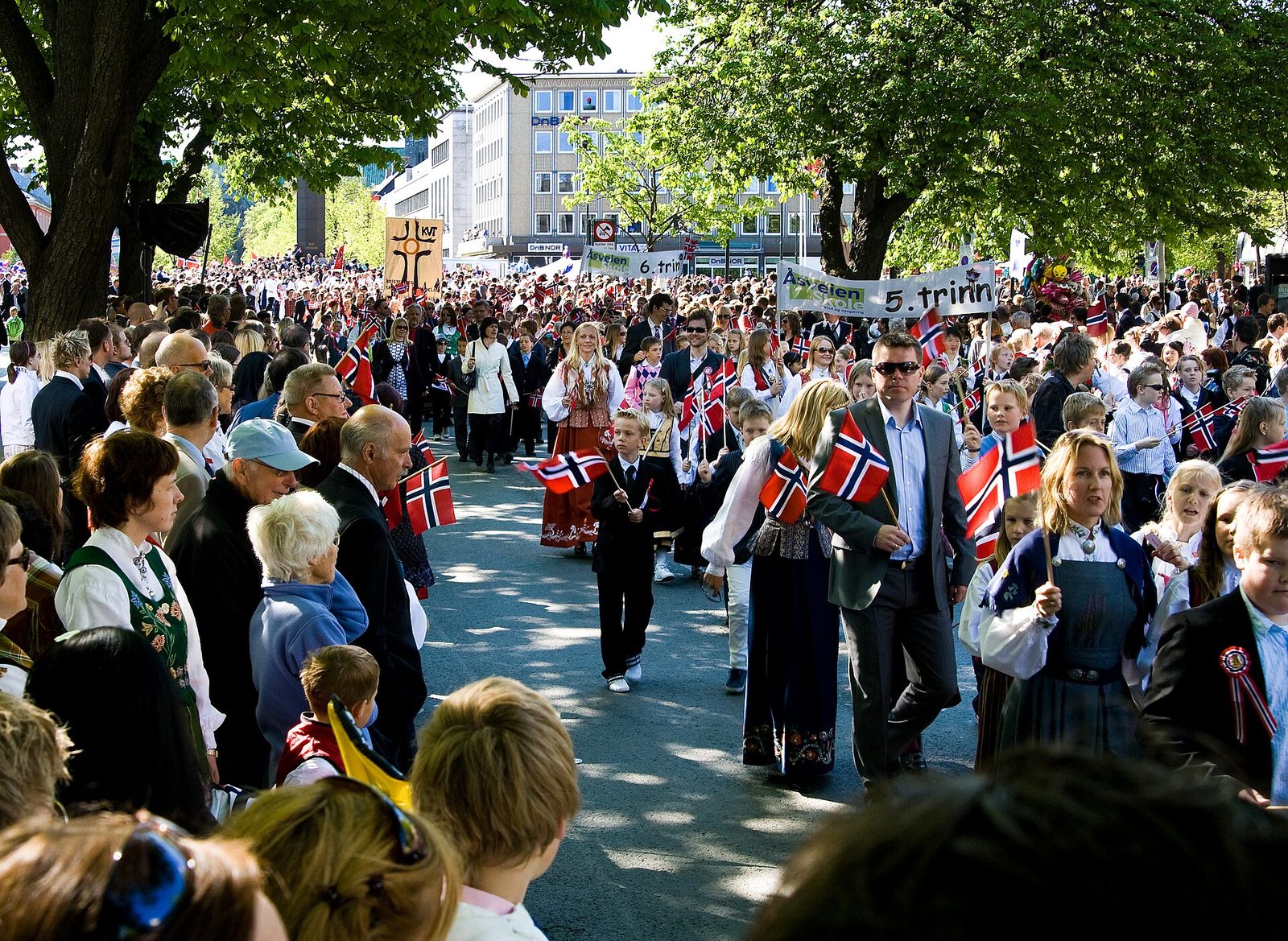
- 17 May (Constitution Day) is the one unmissable national party — if you’re here for it, expect every town in a parade of flags, marching bands and children in bunad folk costume. It’s wonderful; join in.
- Friluftsliv — “open-air life” — is the national religion. Embrace getting outdoors in any weather and you’ll understand the country far better.
Shops close on Sundays
Plan around it: by law, most shops — including the big supermarkets — are closed on Sundays. The exceptions are small convenience stores (the Narvesen, Joker and “søndagsåpent” minimarkets), gas stations and bakeries. Do your real grocery shop on Saturday, or you’ll be paying convenience-store prices for a sad Sunday dinner.
The right to roam (allemannsretten)
One of the best things about Norway is allemannsretten, the legally protected right to roam. You can walk, ski, cycle, swim and even wild camp on uncultivated land without asking permission — a genuine freedom that makes the outdoors feel open to everyone. The rules that keep it working:
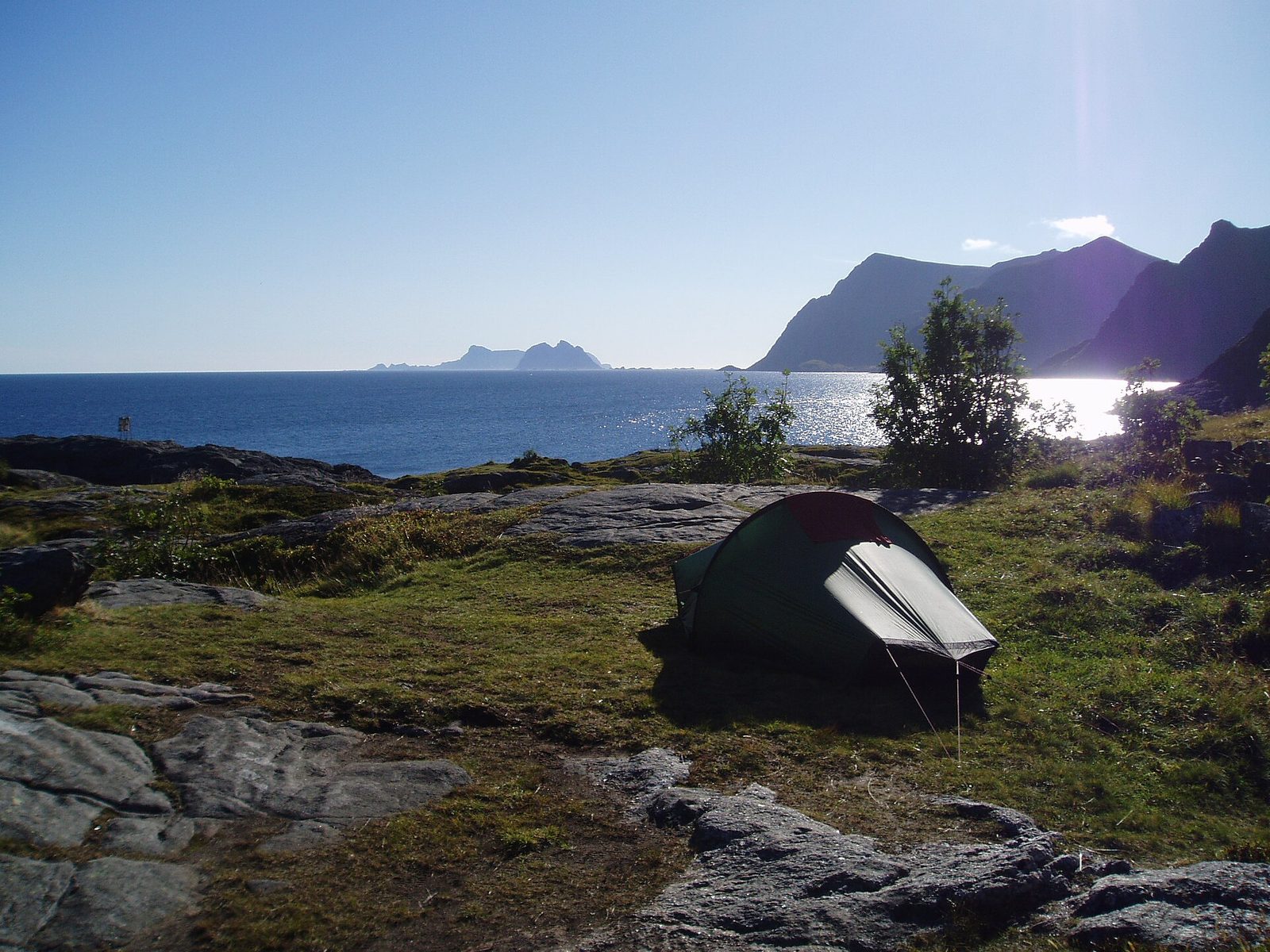
- Pitch your tent at least 150 metres from the nearest house or cabin.
- Stay a maximum of two nights in one spot (longer is fine in the remote high mountains).
- It applies to uncultivated land only — not gardens, farmland or right by homes — and to people on foot, not vehicles.
- Open fires are banned 15 April to 15 September in or near forest and wildland; use a stove or designated fire pits, and check the fire-risk rating on yr.no.
- Honeypot spots like parts of Lofoten have introduced local camping restrictions — respect signs and use designated sites where asked.
- Leave no trace, take your rubbish, and you can freely forage berries and mushrooms for your own use.
A few useful Norwegian phrases
You truly don’t need Norwegian to travel here — Norway ranks among the very top non-native English-speaking countries in the world (around fifth globally on the 2025 EF index), and you can get by entirely in English, including in the far north. But a few polite words are warmly received, and they’re easy. A small correction to some travel blogs, too: the Norwegian words are Hei and Takk — not the Danish/Swedish spellings you’ll sometimes see.
| Norwegian | Means |
|---|---|
| Hei | Hi / hello |
| Takk / Tusen takk | Thanks / thanks a million |
| Vær så snill | Please |
| Unnskyld | Excuse me / sorry |
| Snakker du engelsk? | Do you speak English? |
| Takk for maten | “Thanks for the food” (said after a meal) |
| Skål | Cheers! |
| Ha det | Bye |
“Takk for maten” is the one that earns real smiles — say it to whoever cooked, and you’ll look like you know the place.
10 first-timer mistakes to avoid
The pattern of regrets I hear is remarkably consistent. Dodge these and you’re ahead of most visitors:
- Trying to see too much. Norway is enormous and slow to cross. Pick one or two regions; don’t string Oslo, Bergen, the fjords, Lofoten and Tromsø into one week.
- Underestimating drive times. That “short hop” includes a ferry and a mountain. Double your map estimate.
- Packing the wrong jacket. “Water-resistant” is not waterproof. Bring the real thing.
- Bringing lots of cash. You’ll barely use it. Bring a no-fee card instead.
- Getting caught by the alcohol clock — or by Sunday closures — and finding nothing open.
- Saying yes to “charge in your home currency.” Always pay in kroner.
- Booking summer beds too late. The good Lofoten and fjord places vanish months ahead.
- Skipping travel insurance — specifically one that covers repatriation and your actual activities.
- Forgetting to check on ETIAS before flying, once it launches (expected late 2026).
- Over-scheduling and missing the point. Build in slack to sit by a fjord and do nothing. That’s the trip.
More in the Norway planning series
This hub is the overview; we’re publishing focused, regularly-updated deep dives on each of the know-before-you-go essentials. Coming up in this series:
- Travel insurance for Norway — what to look for and the cover that actually matters.
- Do you need a visa for Norway? ETIAS 2026 explained — kept current as the launch firms up.
- What to pack for Norway — a full season-by-season checklist.
- Is Norway safe for tourists? — the honest, detailed answer.
- Best eSIM and SIM cards for Norway — tested options and prices.
- Norway currency and money tips — cards, fees and the cashless playbook.
- Useful Norwegian phrases for travellers — a proper mini-phrasebook.
- When to book flights and hotels for Norway — the timing, in detail.
- Norway travel tips for first-timers — everything a first visit needs.
In the meantime, the big destination guides — things to do in Norway, Oslo, Stavanger, tours and excursions and where to stay — will fill in the rest of the plan.
Norway travel tips: frequently asked questions
Do I need a visa to visit Norway?
Most Western visitors (US, UK, Canadian, Australian and EU passport holders, among others) don’t need a visa for stays up to 90 days in any 180-day period, because Norway is part of Schengen. From an expected launch in late 2026, visa-exempt visitors will need an ETIAS travel authorisation (a €20 online pre-approval) — check travel-europe.europa.eu for whether it’s live for your dates.
Is Norway expensive to visit, and how much should I budget?
It’s expensive but, surprisingly, no longer Europe’s priciest (Switzerland and Iceland now generally cost more). Budget roughly NOK 900–1,300 ($90–130) per day if you’re frugal, NOK 1,400–2,800 ($140–280) for mid-range comfort. See our full cost guide for the detail.
Do I need cash in Norway?
Barely. Norway is one of the most cashless countries on earth; a contactless card or phone wallet works almost everywhere. Carry maybe NOK 200–500 as backup, and bring a card with no foreign-transaction fee.
What is the best time of year to visit Norway?
Summer (June–August) for fjords, hiking and the midnight sun; winter (roughly late September–March) for the northern lights. Our best-time-to-visit guide breaks it down month by month.
Do people speak English in Norway?
Yes, almost universally and very well — Norway is among the strongest non-native English-speaking countries in the world. You can travel comfortably in English everywhere, though a few polite Norwegian words are appreciated.
Is Norway safe for tourists?
Very. Crime is low and it’s considered safe for solo, female and LGBTQ+ travellers. The real risks are weather and nature, not people — check yr.no and varsom.no, and respect the mountains and the sea.
What should I pack for Norway?
Waterproof, windproof layers (wool or synthetic base, not cotton), a proper rain shell, sturdy waterproof shoes, and warm bits even in summer. Add an eye mask for the midnight sun. “There’s no bad weather, only bad clothing.”
What is the emergency number in Norway?
112 for police, 113 for ambulance/medical, 110 for fire, and 116 117 for non-emergency medical help.
Do you tip in Norway?
It’s not expected — service is included. For good restaurant service, many people round up or add around 5–10%, usually on the card terminal. There’s no obligation and no cash-on-the-table custom.
Is the tap water safe to drink in Norway?
Absolutely — it’s among the best in the world. Skip bottled water and carry a reusable bottle.
What plug adapter do I need in Norway?
Norway uses 230V European type C/F plugs. EU travellers need no adapter; UK and US visitors do. Most phone and laptop chargers handle the voltage automatically.
Can I wild camp in Norway?
Yes — the right to roam (allemannsretten) lets you camp on uncultivated land at least 150m from the nearest dwelling, for up to two nights, leaving no trace. Mind seasonal fire bans and any local restrictions in busy areas.
About this guide
This guide was written and fact-checked by the Norway Tourism Guide team — a small group of writers and repeat Norway travellers who plan trips here often enough to have made most of these mistakes ourselves. We cross-check practical details against official sources (VisitNorway, the Norwegian authorities and the EU’s own border information) and update this hub as rules and prices change. Where something is genuinely uncertain — the ETIAS launch date is the obvious one in 2026 — we tell you to verify it rather than pretend we know.
Last updated: June 2026.
Sources and further reading
- VisitNorway — official travel-tips A–Z and right-of-access rules: visitnorway.com
- European Union — ETIAS official information: travel-europe.europa.eu/etias
- European Commission — Entry/Exit System (EES) status: travel-europe.europa.eu/ees
- Helsenorge — healthcare for tourists (EHIC/GHIC in Norway): helsenorge.no
- UK Government — Norway entry requirements: gov.uk
- EU roaming (“Roam Like at Home”): digital-strategy.ec.europa.eu
- yr.no (weather) and varsom.no (avalanche/flood warnings).
- EF English Proficiency Index 2025 (English-speaking ranking): ef.com/epi
Photo credits
- Stegastein viewpoint above the Aurlandsfjord — Photo: Erik den yngre / CC BY-SA 3.0 via Wikimedia Commons. Source.
- The Flam Railway at Flam station — Photo: Alasdair McLellan (public domain) via Wikimedia Commons. Source.
- Midnight-sun light over Hanoy, Vesteralen — Photo: Richard Meurk / CC BY 2.0 via Wikimedia Commons. Source.
- A hiker and wild reindeer on the Besseggen plateau, Jotunheimen — Photo: Marek Slusarczyk (Tupungato) / CC BY 3.0 via Wikimedia Commons. Source.
- A 17 May children’s parade in Trondheim — Photo: Ivar Husevag Doskeland / CC BY 2.0 via Wikimedia Commons. Source.
- Wild camping by the sea at A, Lofoten — Photo: Steve Cadman / CC BY-SA 2.0 via Wikimedia Commons. Source.