Last updated: June 2026
I used to tell people Norway was a summer country. Then I spent a February week in Tromsø — huskies in the morning, orcas at lunch, the sky on fire by 10pm — and quietly took it back. The best things to do in Norway in winter are dog sledding, whale watching, chasing the northern lights, skiing, reindeer sledding with the Sami, sleeping in a snow hotel, and slow-cruising frozen fjords. The season runs November to April, and this guide covers when to go, where, and what every single one of those costs.
Norway in winter is not one trip. Oslo in December (Christmas market, six hours of daylight, museums) is a completely different animal from Tromsø in February (polar light, aurora, every Arctic activity you can book) or the fjords in March (snow on the peaks, hardly another tourist on the boat). I’ll walk you through all of it — honestly, with prices in NOK and dollars, because Norwegian winter is many wonderful things but it is not vague about billing you.

Norway in Winter at a Glance
| Question | Short answer |
|---|---|
| When is winter? | Roughly November–April; reliable snow December–March (inland and north) |
| Best months | February and March — snow is deep, light is back, aurora still strong |
| Northern lights season | September to early April; you need to be roughly Bodø or further north |
| How cold? | Coast: around 0°C / 32°F. Oslo: −5 to 0°C. Inland Finnmark: −15°C and below |
| Polar night (Tromsø) | Sun below the horizon ~27 Nov–15 Jan; it’s blue twilight, not blackness |
| Signature activities | Aurora chasing, dog sledding, whale watching (Nov–Jan), skiing, snow hotels |
| Typical activity cost | NOK 1,200–3,500 (~$125–370) per half-day tour, per person |
| Is it cheaper than summer? | In Oslo, Bergen and the fjords, yes. In Tromsø, no — Nov–Mar is peak season |
Is Norway Worth Visiting in Winter?
Yes — with one caveat. Winter is when Norway does the things no other easy-to-reach country does: aurora overhead at 69°N, orcas in the fjords, husky teams, Sami reindeer herders, ice hotels, and ski terrain that costs half what the Alps charge. If your dream Norway is hiking Trolltunga and kayaking under a midnight sun — the classic things to do in Norway in the warm months — come in summer instead — the famous mountain hikes are closed or genuinely dangerous in winter, and I mean that literally, not as lawyer-speak.
The honest sales pitch: winter suits you if you want experiences over sightseeing, you don’t mind cold that’s managed with good clothing rather than avoided, and darkness reads as atmospheric rather than depressing to you. Norwegians have a word — koselig — for the candlelit, fireplace-and-wool-socks cosiness that makes the dark months not just bearable but the season many locals secretly prefer. Researchers who study Tromsø (where the sun doesn’t rise for two months) keep finding less winter depression than the latitude predicts. The local trick is treating winter as something to do, not something to survive. This guide is essentially a list of what they do. For the conditions rather than the activities — how cold it really gets, and where snow is actually reliable — see our breakdown of Norwegian winter weather.
When to Go: Norwegian Winter, Month by Month
For the full seasonal picture — including summer — see my month-by-month guide to Norway’s seasons. The short winter version:
November
The in-between month. Snow is arriving in the north and the mountains but isn’t guaranteed in the south; days shorten fast. The big draw: whale season opens around Skjervøy north of Tromsø in early November, and aurora nights are long. Christmas markets start mid-to-late November in Oslo and Bergen. Prices outside Tromsø are low.
December
Peak atmosphere: Christmas markets, the polar night’s blue light in the north, the year’s longest aurora nights. Daylight in Oslo bottoms out around six hours; Tromsø has none, technically, though midday glows blue for hours. Know that Norway essentially closes on December 24 — shops shut by early afternoon and many restaurants stay dark through the 26th. Book Christmas-week accommodation and tables months out.
January
The coldest, quietest month. In the south this is the cheapest time of year — Oslo hotels discount hard. In Tromsø it’s prime time: whales are still in the fjords (usually until late January), the sun returns on January 21 (“Sun Day”), and the Tromsø International Film Festival fills town in mid-January. Inland cold can be serious: Karasjok averages around −15°C and has recorded −51°C.
February
My pick, and the month Norwegians in the know choose. Snow is at maximum depth, the light comes back fast (Tromsø gains around 10 minutes of daylight a day), aurora activity stays strong, and the calendar fills up: Sami Week in Tromsø with the national reindeer-racing championship on the main street, Sami National Day on February 6, and the Rørosmartnan winter fair in Røros (16–20 February 2027). School half-term (“vinterferie”) means Norwegian families hit the slopes in late February — book ski accommodation early.
March and early April
Winter with the lights on. Twelve hours of daylight by late March, deep snowpack, the best cross-country conditions of the year, and still-decent aurora odds until early April. The Finnmarksløpet — Europe’s longest sled-dog race, 1,200 km from Alta — starts March 5, 2027, and Oslo’s Holmenkollen Ski Festival packs the city in mid-March. One warning: Easter week is Norway’s biggest ski holiday and mountain lodging sells out a year ahead. After Easter, winter activities wind down quickly.
If you are choosing between these months specifically for the lights, the operational detail matters more than the averages: which activities are running, what has reduced hours, and where the Norwegian school holidays push prices up. We set all of that out in a month-by-month breakdown of the aurora season, from September through to April.
Daylight and the Polar Night: What “Dark” Actually Means
The darkness question stops more people than the cold one, so here are the real numbers.
Tromsø is the clearest illustration of this, and the numbers are worth seeing laid out: December records zero measured sunshine hours for the whole month, while February gets more than seven hours of usable light. Our month-by-month Arctic winter guide has the full daylight table and explains why the sun does not reach the city until six days after it clears the horizon.
| Place | Daylight on 21 December | Daylight in mid-February |
|---|---|---|
| Oslo | ~6 hours (sun up ~9:15–15:15) | ~9 hours |
| Bergen | ~5.5 hours | ~9 hours |
| Trondheim | ~4.5 hours | ~8.5 hours |
| Tromsø | 0 — polar night (blue twilight ~9:00–14:00) | ~7 hours and growing fast |
| Svalbard | 0 — true 24-hour darkness | Twilight returning; sun back early March |
Two things surprise first-timers. First, southern Norway is no darker than Scotland or southern Alaska — Oslo in December still gives you a workable six-hour day. Second, the polar night in Tromsø is not a black void. The sun stays below the horizon from about November 27 to January 15, but for several hours around midday the sky turns deep blue, then pink and violet on the snow — Norwegians call it blåtimen, the blue hour, and photographers fly in specifically for it. The genuinely dark stretch is brief, and city lights, snow reflection and aurora do a lot of the lighting work.
The payoff for all that darkness: more hours per day to see the northern lights than anywhere with a normal day-night cycle.
How Cold Is Norway in Winter, Really?
Less cold than you’re imagining on the coast, colder than you’re imagining inland. The Gulf Stream keeps coastal Norway absurdly mild for the latitude — Lofoten sits above the Arctic Circle yet hovers around freezing in January, the largest positive temperature anomaly for its latitude in the world.
| Region | Typical January range | Character |
|---|---|---|
| Oslo & the southeast | −7 to 0°C (19–32°F) | Cold, often snowy; occasional −15°C snaps |
| Bergen & west coast | 0 to +5°C (32–41°F) | Mild, wet; rain at sea level, snow on hills |
| Trondheim | −5 to +1°C (23–34°F) | Snowy with milder spells |
| Tromsø & Arctic coast | −8 to −2°C (18–28°F) | Reliable snow Nov–Apr; windchill on boats |
| Lofoten | −2 to +3°C (28–37°F) | Mild, changeable, freeze-thaw, sudden storms |
| Inland Finnmark (Alta, Karasjok) | −25 to −10°C (−13 to 14°F) | Serious continental cold, dry and still |
The practical takeaway: in Oslo, Bergen, Tromsø or Lofoten, normal good winter clothing handles it. For inland Finnmark — where the dog sledding and ice hotels live — you want the full layering system I cover below, though every Arctic tour operator lends you a thermal suit and boots over your own clothes, which is the detail that makes −20°C dog sledding entirely doable for normal humans.
The Best Things to Do in Norway in Winter
Fourteen experiences, each with where, when and what it actually costs. Almost all of them are bookable as guided experiences — my Norway tours guide covers when a tour beats DIY. Prices are per adult, from the 2025/26 season — treat them as solid ballparks and check current rates when you book. I convert at roughly NOK 9.5 to the dollar.
1. Chase the Northern Lights
The headline act, and the reason most winter visitors point themselves at the Arctic. The season runs September to early April; the aurora zone starts around Bodø and gets better as you go north — Tromsø, Alta, Senja, Lofoten and Kirkenes all sit under the auroral oval, where even a quiet night (Kp 0–2) can produce overhead displays. You cannot reliably see the lights from Oslo or Bergen; don’t build a southern trip around them.
A guided minibus chase from Tromsø runs about NOK 1,200–2,000 (~$125–210) and is worth it on your first night: guides drive to clear skies, sometimes two hours into Finland, and handle the camera settings. After that, DIY works — rent a car, check the forecast, drive away from city light. The 2026/27 season has a tailwind: we’re near solar maximum, which forecasters expect to mean more frequent and brighter displays, though nobody can promise you a show on any given night. The full strategy — months, bases, camera settings, cloud tactics — is in my dedicated northern lights in Norway guide.
2. Drive Your Own Dog Sled

If you do one paid activity, make it this. Most operators let you actually mush — two people per sled, switching driver halfway — rather than just ride, and standing on the runners behind six accelerating huskies in absolute silence is the single best thing I’ve done in Norway in winter. The season is roughly December to early April, snow permitting.
Where and what it costs: in Tromsø, Tromsø Villmarkssenter on Kvaløya (about 300 resident huskies) charges around NOK 3,090 (~$325) for a self-drive day tour with lunch, thermal suit included. In Alta, Trasti & Trine — a kennel that also happens to house one of the region’s best restaurants — runs six-hour sledding days for about NOK 3,500, and Holmen Husky Lodge does shorter forest tours and aurora-sledding at night. In Røros, Kennel Dølanvollen offers a two-hour self-drive for about NOK 2,500. Ride-only options cost less; multi-day expeditions (Trasti & Trine’s three-day runs about NOK 17,500) are for people who get hooked. Book December–February dates several weeks ahead; this sells out before almost everything else.
3. Whale Watching in the Arctic Fjords
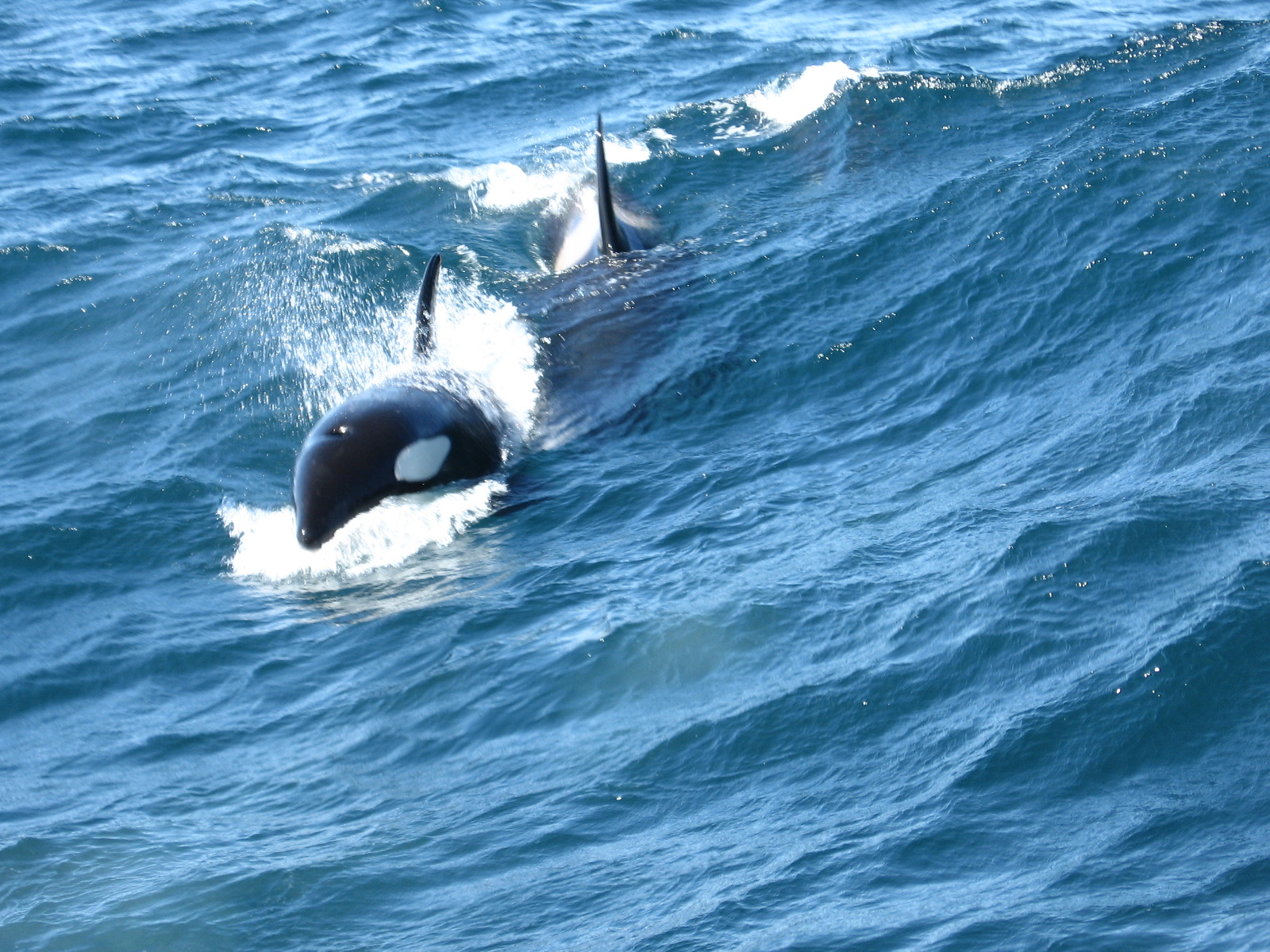
From early November to late January, enormous schools of herring overwinter in the fjords around Skjervøy, about three hours northeast of Tromsø — and orcas and humpbacks follow them in. On a good day you’ll see dozens of orcas hunting in coordinated groups, with humpbacks lunging through the same bait balls. It is, frankly, as good as marine wildlife watching gets in Europe.
Tours leave Tromsø daily in season: fast RIB boats (exciting, cold, bumpy), big heated catamarans, and silent hybrid-electric ships like Brim Explorer’s, which cost about NOK 1,990 (~$210) and are the option I’d pick — the engines cut to electric around the whales and the silence changes the whole encounter. Expect NOK 1,600–2,600 across operators, 6–8 hours round trip. Two honest caveats: sightings are wildlife, not Disneyland — no guarantees — and the exact season shifts with the herring, so confirm the year’s pattern when you book. Year-round alternative: sperm-whale safaris from Andenes in Vesterålen, where a deep offshore canyon keeps the whales resident.
4. Reindeer Sledding and Sami Culture
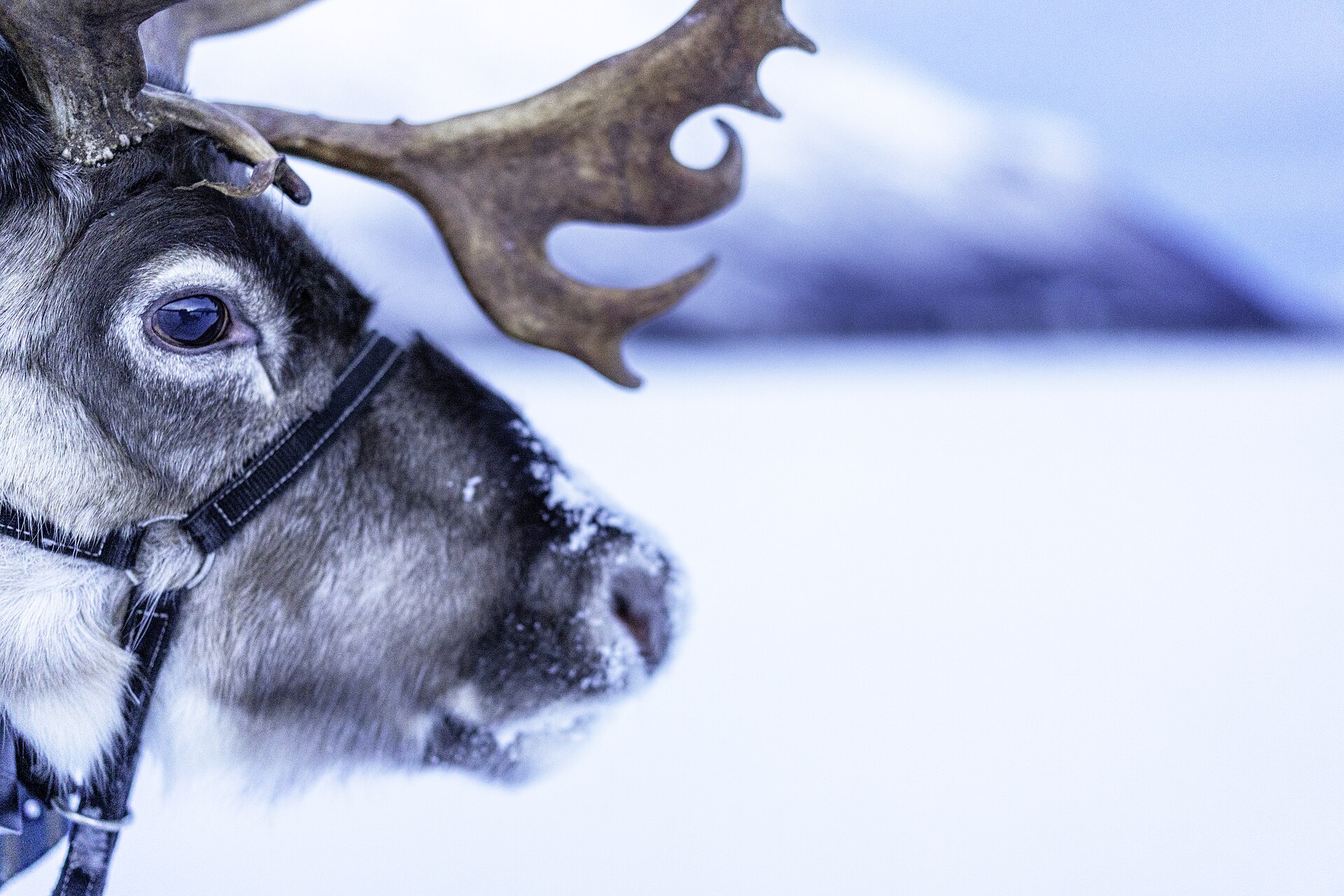
Slower than huskies, and that’s the point. A reindeer sled moves at walking pace across open snow, which leaves you free to actually look at things — and the best versions are run by Sami families, the Indigenous people of northern Scandinavia, on their own land with their own herds. Near Tromsø, Sami-owned Tromsø Arctic Reindeer runs sledding-plus-culture evenings from about NOK 1,655 (~$175): you feed the herd, sled, then eat bidos (reindeer stew) in a lavvu while your hosts explain joik — the traditional song form — and what reindeer herding looks like as a modern livelihood. It reopens for the season on October 31, 2026.
For deeper immersion, head to the Finnmark interior: Karasjok is the seat of the Sami Parliament and the Sápmi cultural park, and Kautokeino hosts the Sami Easter Festival with concerts and championship reindeer racing. If you’re in Tromsø in early February, Sami Week puts reindeer races down the main shopping street at 60 km/h — free to watch and completely surreal. February 6 is Sami National Day, marked across the north. One ask: choose Sami-run operators where you can. It keeps the cultural experience first-hand and the money in the right place.
5. Snowmobile Across the Tundra
Norway regulates snowmobiles tightly — this isn’t a free-for-all like parts of North America — so riding means a guided tour on designated trails, mostly in the far north. Alta runs 2.5-hour safaris for about NOK 1,750 (~$185); Kirkenes tours start around NOK 2,700–3,000, often combinable with king crab fishing; and Camp Tamok, in the snow-sure valley about 75 minutes inland from Tromsø, runs day and aurora tours. Svalbard is the snowmobile capital — it’s the practical way to move around the archipelago in winter, with day trips from NOK 2,000–3,500.
You need a valid driver’s license (a normal car license is fine) to drive; passengers just need warm clothes, which the operators provide as thermal suits anyway. Worth it if speed appeals more than huskies do — though if you’re choosing one, I’d still take the dogs.
6. Ski Norway’s Alpine Resorts for Half of Alps Prices
Norwegian downhill skiing is criminally underrated abroad. The resorts are smaller than the mega-Alps but uncrowded, family-friendly, snow-sure into late April, and cheap by ski standards: day passes run about NOK 585–810 (~$62–85) versus $90–150 in the Alps and far more in the US.
| Resort | Why go | Day pass (approx, 2025/26) |
|---|---|---|
| Trysil | Norway’s largest — 69 slopes, new gondola (Dec 2025), great for families | ~NOK 808 |
| Hemsedal | “Scandinavian Alps” — biggest vertical feel, season into early May | ~NOK 750–800 |
| Hafjell | 1994 Olympic slopes near Lillehammer, kids 6 and under free | ~NOK 699 |
| Kvitfjell | Olympic downhill mountain; Norway’s longest black run | ~NOK 700 |
| Geilo | Family classic, halfway stop on the Oslo–Bergen railway | ~NOK 600–700 |
| Myrkdalen / Voss | Western Norway’s snow magnet (~5 m per season), strong off-piste | ~NOK 600–700 |
| Narvikfjellet | 1,000 m of vertical dropping straight into an Arctic fjord; ski under the aurora | ~NOK 600 |
| Stranda | Freeride favourite with Storfjord views, near the Geiranger region | ~NOK 585 |
Prices are dynamic — booking online ahead is consistently cheaper than the box office. Season runs roughly late November to late April, longest at Hemsedal and Trysil.
7. Cross-Country Ski Like a Norwegian

Downhill is the import; cross-country is the religion. Norwegians are essentially born with skis on, and joining them is free once you have gear: Oslo alone backs onto about 2,600 km of groomed trails in the Nordmarka forest, roughly 90 km of them floodlit for after-dark skiing, all reachable on the metro — take line 1 to Frognerseteren with everyone else carrying skis on a Sunday. Rental runs a few hundred kroner a day in the city or at trailheads.
For a dedicated trip, Sjusjøen above Lillehammer and Beitostølen on the edge of Jotunheimen are the classic high-altitude hubs with enormous trail networks and reliable snow November–April. If you want a goal, the Birkebeinerrennet in mid-March is the legendary 54 km citizen race from Rena to Lillehammer, skied with a 3.5 kg pack to honour the medieval birchleg skiers who carried the infant king to safety. Watching the elite field come through is a great free spectacle even if racing it sounds like punishment.
8. Sleep in an Ice Hotel (or Just Visit One)
Norway has two genuine snow-and-ice hotels, both in the far north. Sorrisniva Igloo Hotel outside Alta is the world’s northernmost, rebuilt from scratch every year — about 2,500 square metres, 250 tonnes of ice — and open roughly December 20 to early April; rooms from about NOK 4,070 (~$430), with the saving grace that you sleep warm in an expedition bag on reindeer hides, and there’s a (warm) riverside lodge attached. Snowhotel Kirkenes goes one better and stays open 365 days a year, with 13 hand-carved ice rooms held at a steady −4°C; packages from roughly NOK 9,900 including dinner, breakfast and gear — check current rates.
Two money-saving truths. First, one night is exactly enough; it’s an experience, not a base. Second, if the price stings, both hotels sell day visits (Sorrisniva’s entrance is about NOK 395) where you see the ice suites, the carved bar and the chapel without committing your spine to a slab of frozen water. Note that Tromsø Ice Domes, the third option people ask about, is not operating for winter 2026/27 — check for updates before planning around it. More on quirky Norwegian stays in my guide to where to stay in Norway.
9. Cruise a Snow-Dusted Fjord

The fjords don’t close in winter — they empty. The same Nærøyfjord cruise that carries shoulder-to-shoulder crowds in July runs quiet electric boats past snow-line-to-waterline scenery in February, and I’d argue the fjords are more beautiful with white peaks than green ones. The classic Norway in a Nutshell route (Oslo or Bergen → Flåm railway → fjord cruise → mountain train) runs all winter, from about NOK 5,600 self-booked or packaged; the Flåm Railway itself operates a reduced winter timetable, and the descent from snowbound Myrdal to the dark-blue fjord is arguably better in winter. Geirangerfjord is the one big-name fjord that mostly hibernates — the access roads close — so point your winter fjord plans at the Sognefjord arms instead. Full options in my Norwegian fjords guide and fjord cruise guide.
10. Sail the Coastal Voyage Under the Aurora
The Bergen–Kirkenes coastal voyage — run by both Hurtigruten and Havila — might be the smartest single winter booking in Norway: 34 ports, the whole Arctic coast, and the ship does the driving while you watch for lights from the deck. Both lines are confident enough to offer a Northern Lights Promise from October through March: if the aurora doesn’t appear during a round-trip voyage of 11+ days, they give you another 6–7 day voyage free. Twelve-day round trips start around €2,850 full board; shorter port-to-port legs (Tromsø–Kirkenes, say) work as Arctic transport with scenery. Cabins midship if you’re prone to seasickness — winter seas can roll. I compare ships, cabins and the Hurtigruten-vs-Havila question in my coastal voyage guide.
11. Sauna Hard, Then Jump in the Sea
The fastest-growing winter ritual in Norway: float saunas. In Oslo, the harbour in front of the Opera House is now lined with them — SALT’s sauna village on the fjord does drop-in sessions from about NOK 250–350, and operators like KOK sail you around the Oslofjord at 85°C. In Tromsø, Pust’s floating saunas (about NOK 360 a session) come with a hatch into 4–7°C Arctic water. You sweat, you jump in the sea, you make an involuntary noise you will be embarrassed about, you feel astonishing for the rest of the day. Locals do this year-round; winter, with steam rising off the fjord and snow on the dock, is peak season. No skill required, towels rentable, swimsuits mandatory, regrets none.
12. Do Christmas Properly: Markets, Gingerbread and Røros

Norwegian Christmas markets are smaller than Germany’s and better-lit than almost anyone’s. Oslo’s Jul i Vinterland fills Spikersuppa along Karl Johans gate from early November to early January — ferris wheel, skating rink, gløgg — dates around Nov 7–Jan 4 for 2026/27, but confirm locally. Bergen pairs its Festplassen market (late November to a few days before Christmas) with Pepperkakebyen, the world’s largest gingerbread town, a genuinely charming city-in-miniature Bergen has baked annually since 1991. Trondheim’s market runs the first three weeks of December.
The one worth a detour: Røros, the UNESCO-listed copper-mining town near the Swedish border, holds its market the first weekend of December — wooden streets, horse-drawn sleighs, −20°C blue light, and a couple of thousand people in wool. It’s the most atmospheric Christmas scene in Norway and books out nearly a year ahead. If you miss it, Rørosmartnan in mid-February (16–20 February 2027) is the bigger, older winter fair with the same setting.
13. Eat the Winter Catch: Skrei and King Crab
Winter is the best eating season in Norway, which surprises people. From January to April, skrei — migratory Arctic cod — arrive off Lofoten in their millions, and every serious restaurant in the country puts them on the menu; traditional mølje (cod, liver and roe) is the full cultural experience. In Kirkenes, king crab safaris run year-round: you snowmobile or sled out onto a frozen fjord, haul monstrous red king crabs from under the ice, and eat them within the hour — typically NOK 2,000–2,900 with the feast included. In the cities, look for pinnekjøtt (cured lamb ribs) and ribbe (pork belly) on December menus — Norwegian Christmas food is heavy, salty and built for the climate.
14. Toboggan, Snowshoe, Skate — the Cheap Stuff
Not everything needs a tour. In Oslo, Korketrekkeren (“the corkscrew”) is a 2 km toboggan run down the old Olympic luge track — take the metro up to Frognerseteren, rent a sled for around NOK 250 a day, and ride down as many times as your nerve allows; the metro back up is the ski lift. Spikersuppa’s ice rink in central Oslo is free if you have skates (rentals beside it). Snowshoeing is the walker’s answer to closed hiking trails — guided trips run NOK 800–1,500 in most winter destinations, or rent snowshoes and follow marked winter routes. And in any snowy town you’ll see locals on a spark, the Norwegian kick-sled: half chair, half scooter, weirdly addictive, often borrowable free from hotels in Røros and Finnmark.
Where to Go: Choosing Your Winter Base
Norway is a long country — Oslo to Kirkenes is further than Oslo to Rome — so winter trips work best built around one or two bases. Here’s the honest comparison: (For the capital specifically, I have broken down what a Norwegian winter actually costs and closes in Oslo, month by month.)
| Base | Aurora odds | Snow reliability | Best for | Price level |
|---|---|---|---|---|
| Oslo | Very low | Good Dec–Mar | City + culture + XC skiing + Christmas | Cheapest in winter |
| Bergen & fjords | Very low | Poor in city, good on heights | Fjord scenery without crowds | Low season deals |
| Tromsø | Excellent | Excellent | Aurora + every Arctic activity | Peak season — expensive |
| Lofoten | Very good | Variable (mild, stormy) | Photography, drama, skrei fishing | Moderate; quiet |
| Alta & Finnmark | Excellent (clearer inland skies) | Bombproof | Dog sledding, ice hotel, deep cold | Moderate |
| Lillehammer / Geilo / Røros (inland south) | Low | Bombproof | Skiing, families, Christmas-card towns | Moderate |
| Svalbard | Good (even at midday in polar night) | Total | Expedition-grade Arctic, snowmobiles | Expensive |

Oslo: the easy, cheap winter city
Six hours of December daylight, museums for the dark hours, Vinterland for the evenings, 2,600 km of ski trails on the metro line, and January hotel prices that undercut summer by a third or more. No aurora — but as a 3–4 day city break plus toboggan runs and fjord saunas, it’s badly underrated. Full details in my Oslo guide.
Bergen and the western fjords: scenery without the ships
Bergen in winter is mild, moody and frequently wet at sea level — but it’s also Bryggen with snow on the gables, the Fløibanen funicular above a twinkling city, gingerbread season, and the launchpad for winter Nutshell trips into the Sognefjord. Cruise traffic is near zero. Pack waterproofs, not just down. See my Bergen guide for the full picture.
Tromsø: the Arctic capital
If winter Norway has a headquarters, it’s Tromsø: aurora tours, whale safaris, huskies, reindeer, Sami Week, the cable car above the polar-night blue. It’s also the one place in Norway where winter is peak season — November to March hotels sell out months ahead and cost real money. Book 3–6 months out, more for Christmas and February. Everything you need is in my Tromsø guide.
Lofoten: the photographer’s winter
Red cabins, white peaks, black water, aurora — Lofoten in winter is the Norway of screensavers, and the skrei season keeps the fishing villages working photogenically hard. The trade-off is weather: mild but violently changeable, with storms that can ground flights and close roads for a day. Build slack into the itinerary and don’t plan tight connections. My Lofoten guide covers winter logistics in detail.
Alta, Kirkenes and inland Finnmark: the deep Arctic
Colder, drier, clearer and emptier than the coast. Alta has Norway’s most stable aurora skies, the Sorrisniva igloo hotel and the best dog-sledding kennels; Kirkenes — 15 minutes from the Russian border — has the year-round Snowhotel and king crab under the ice. This is where you go for −20°C silence and the full polar fantasy.
Inland southern Norway: ski country
Lillehammer (Olympic museums plus Hafjell/Kvitfjell), Geilo on the Oslo–Bergen railway, Trysil and Hemsedal for the biggest ski areas, and Røros for wooden-town Christmas atmosphere. Snow is dependable from December into April, families are everywhere, and nobody is fighting for restaurant tables. No meaningful aurora this far south — that’s the only thing missing.
Svalbard: the far end of winter
Half-way to the North Pole, Longyearbyen offers true 24-hour polar night until late January (aurora at lunchtime, occasionally), snowmobile expeditions, ice caves and a polar-bear-aware frontier culture. It’s expensive, flights are limited, and it’s overkill for a first Norway winter — but nothing else in easy reach of Europe feels remotely like it.
What to Wear in Norway in Winter
The Norwegian saying — there’s no bad weather, only bad clothing — is annoying because it’s true. The system that works:
- Base layer: merino wool, top and bottom. Never cotton — it holds sweat and chills you. This is the single highest-value item in your bag.
- Mid layer: fleece or a light down jacket, plus a wool sweater (buy one in Norway if you want the souvenir that actually gets used).
- Shell: windproof and waterproof jacket and trousers. Wind is the real enemy on boats and headlands; Bergen and Lofoten demand the waterproof part.
- Extremities: insulated waterproof boots with room for thick wool socks, mittens (warmer than gloves), a proper hat, and a neck buff. Cold feet end days; nothing else fails as fast.
- City secret: slip-on ice grips for your boots, about NOK 150–300 at any sports shop or pharmacy. Norwegian pavements in February are skating rinks, and the locals wearing grips aren’t being overcautious — they’re being local.
And the reassurance worth repeating: every organized Arctic activity — dog sledding, whale boats, snowmobiles, reindeer camps, aurora chases — issues you a thermal suit and boots over your own layers. You do not need to buy an expedition wardrobe to do Arctic things; you need good layers underneath what they lend you.
Getting Around Norway in Winter: Fly, Train or Drive?
Flying north
For Arctic winter trips, fly. Oslo–Tromsø takes under two hours on SAS or Norwegian (often NOK 600–1,500 each way booked ahead), versus a punishing multi-day drive. Widerøe’s turboprop network reaches the small Arctic airports — Alta, Kirkenes, and direct Lofoten flights into Svolvær and Leknes from Bodø and Tromsø. Winter flights to small northern airports occasionally delay or cancel in storms; build a buffer day before anything non-refundable.
Trains: the scenic winter option
The Oslo–Bergen railway runs all winter and is, if anything, at its best: seven hours over the roof of southern Norway, with the high plateau around Finse (1,222 m, the line’s summit) in full white-wilderness mode. Book ahead on Vy for Lavpris fares from around NOK 299. The Flåm Railway runs a reduced winter timetable and connects to fjord cruises year-round. Night trains link Oslo with Bergen and Trondheim — a sleeper berth is a hotel night on wheels.
Driving: honest answers
Can you drive in Norway in winter? Yes — Norwegians do it daily, rental cars come on proper winter tires by law (studded tires are permitted from November 1 to the first Sunday after Easter, longer in the north — request studs when booking if you’re heading Arctic), and main roads are ploughed fast and well. Should you? In the south and along main corridors, fine, if you’ve driven on snow before. Plan around the closures: the high scenic passes — Sognefjellet, Trollstigen and most of the famous Scenic Routes — close entirely for winter, and the Hardangervidda crossing (Rv7) and Haukeli (E134) can shut at short notice or run as escorted convoys (kolonnekjøring) behind a snowplough in storms. Check statensvegvesen.no or call 175 before any mountain crossing, drive on daytime hours, and never schedule a tight same-day connection on the far side of a winter pass. If the itinerary is city-to-city, take the train and skip the stress. For route planning, my Norway itinerary guide flags which routes work in winter.
The coastal ferry as transport
Hurtigruten and Havila ships double as point-to-point winter transport along the whole northern coast — Bergen to Ålesund, Tromsø to Honningsvåg, anywhere between. Port-to-port tickets are bookable like bus fares, no cruise commitment required, and the ship sails through weather that grounds planes more often than it cancels sailings.
What a Norway Winter Trip Costs
Norway is expensive, but winter softens it everywhere except Tromsø. Real-world per-person daily budgets at roughly NOK 9.5 to the dollar:
| Style | Per day (NOK) | Per day (USD) | What that looks like |
|---|---|---|---|
| Budget | 1,200–1,800 | $125–190 | Hostel/guesthouse, supermarket meals, city transit, free activities (XC trails, markets, blue-hour walks) |
| Mid-range | 2,500–4,000 | $260–420 | 3-star hotel with breakfast, one restaurant meal, one paid activity every other day |
| Comfort | 5,000+ | $525+ | 4-star/design hotels, daily tours, taxis, the ice-hotel night |
The structural truth of winter budgets: accommodation gets cheaper (Oslo and Bergen hotels drop 20–40% versus summer; January is the floor), but activities become the big line item — three Arctic tours can cost more than a week of hotels. Tromsø is the exception on lodging: November–March is its peak, prices rise sharply, and central hotels genuinely sell out. Money-savers that don’t hurt: city passes (the Oslo Pass covers museums and transit), supermarket lunches (NOK 50–100 versus NOK 200+ in cafés), self-drive aurora instead of nightly tours, and booking activities direct with operators rather than through resellers. Tap water is excellent and free; a beer is NOK 100–130 and that’s nobody’s fault but Norway’s.
Three Winter Itineraries That Actually Work
5 days: Tromsø Arctic sampler
Fly into Tromsø. Day 1: city, cable car at blue hour, aurora tour that night. Day 2: whale safari (Nov–Jan) or fjord cruise. Day 3: huskies in the morning, Sami reindeer evening. Day 4: Camp Tamok snowmobiling or a free day for the polar museum and Pust sauna, second aurora attempt. Day 5: fly home. This is the highest experience-per-day trip in Norway.
7 days: Oslo + the Arctic
Two days in Oslo (museums, Vinterland, Korketrekkeren, fjord sauna), fly to Tromsø or Alta for four Arctic days (aurora, huskies, whales or ice hotel), fly back for the final night. The classic first winter trip and the structure of most package tours — easy to build yourself with my itinerary guide.
10 days: city, fjords and the north
Oslo (2 nights) → Bergen railway → Bergen (2) → winter Nutshell through the Sognefjord to Flåm (1) → back to Bergen, fly to Tromsø (4) → home. Every Norwegian winter landscape in one loop: white plateau from the train, snow-dusted fjords, Arctic aurora. Use the buffer day in Tromsø for whichever activity the weather steals.
Local Tips Most Winter Guides Miss
- Book Tromsø first, flights second. Arctic accommodation is the scarce resource Nov–Mar, not airfare. 3–6 months ahead for normal dates; more for Christmas, New Year and February.
- December 24 shuts Norway down. Shops close by early afternoon and most restaurants stay closed through the 26th. If you’re in the country over Christmas, book your dinners in November.
- February beats December for almost everything except markets. More light, deeper snow, same aurora, slightly lower prices outside school holidays.
- Closed means closed. Trolltunga, Preikestolen‘s exposed sections, Besseggen — the famous hikes are winter-dangerous and people get rescued (or worse) trying them annually. Winter alternatives: snowshoe tours and groomed trails. My hiking guide lists what’s seasonal.
- Sundays are quiet everywhere. Most shops close; supermarkets in train stations and small “Brustad-bua” stores stay open. Plan groceries Saturday.
- The aurora needs three things: dark, clear, north. You control two of them by going in season and being mobile. Cloud is the enemy, not the forecast Kp number — under the auroral oval, even quiet nights deliver.
- Boats and tours run in remarkable weather, so dress for the deck — sea wind at −5°C bites harder than still air at −20°C. And if a tour is cancelled for weather, operators refund or rebook as routine; leave slack in your last day for exactly this.
Norway in Winter: FAQ
Is Norway worth visiting in winter?
Emphatically yes, if your trip is built around winter experiences — northern lights, dog sledding, whales, skiing, snow hotels, Christmas atmosphere. Choose summer instead if your Norway list is hiking, road-tripping the scenic passes and midnight sun: those are seasonal and the famous trails are closed or unsafe in winter.
How cold is Norway in winter?
Milder than its latitude suggests on the coast: Oslo typically sits between −7 and 0°C in January, Bergen around 0 to +5°C with more rain than snow, Tromsø around −8 to −2°C. The genuinely brutal cold lives inland — Finnmark routinely hits −20 to −30°C — and that’s also where operators dress you in thermal suits for every activity.
Can you see the northern lights anywhere in Norway?
No — this is the most common winter planning mistake. You need to be roughly Bodø or further north; Oslo and Bergen sit too far south for anything but rare extreme solar storms. Tromsø, Alta, Senja, Lofoten and Kirkenes are the reliable bases, with a season running September to early April.
What is the best month to visit Norway in winter?
February, with March close behind. You get maximum snow, fast-returning daylight, strong aurora activity and the winter festival calendar. December wins on Christmas atmosphere; January wins on low prices in the south; November is the gamble month for snow.
Is Norway expensive in winter?
It’s Norway, so it’s never cheap — but winter is low season in Oslo, Bergen and the fjords, with hotel prices 20–40% below summer. Tromsø inverts the rule: winter is its peak and prices reflect it. Budget NOK 2,500–4,000 (~$260–420) per person per day mid-range, plus NOK 1,200–3,500 per big Arctic activity.
How many days do you need for a Norway winter trip?
Five days minimum for an Arctic base like Tromsø (enough for aurora attempts plus two or three activities), seven to combine a city with the north, ten to add the fjords by rail. Aurora hunting rewards extra nights — three nights in the north gives you weather insurance that one never will.
Is it safe to drive in Norway in winter?
On main roads, yes — winter tires are legally required equipment and ploughing is excellent. The risks concentrate on mountain crossings (sudden closures and convoy driving) and on driver inexperience with snow and ice. If you’ve never driven a winter, stick to trains, flights and tours; Norway’s public transport makes car-free winter trips easy.
How dark is Norway in December?
Oslo still gets about six hours of daylight at the solstice. North of the Arctic Circle the sun stays below the horizon — Tromsø from about November 27 to January 15 — but midday brings hours of deep-blue twilight rather than darkness, and city life runs completely normally. By mid-February the north is gaining around ten minutes of light per day.
Are the Norwegian fjords worth visiting in winter?
Yes — snow-covered peaks over dark water, near-empty boats and working villages instead of cruise crowds. The caveats: Geirangerfjord access mostly closes, days are short, and you should base the trip on the Sognefjord region (Flåm, Nærøyfjord) where railways and electric boats run year-round.
Does it snow in Oslo and Bergen?
Oslo: reliably, December through March, with good skiing in the surrounding forest. Bergen: occasionally at sea level and rarely for long — its winter is mild and wet — though the mountains directly above the city hold snow and the Fløibanen takes you up to it.
About This Guide
The NorwayTourism.org team has spent years travelling Norway in every season — including multiple Arctic winters of dog sledding, aurora chasing, ferry-deck whale watching and at least one regrettable ice-water plunge in front of laughing locals. We write from first-hand experience and current operator pricing, we link to official sources, and we update this guide as seasons, prices and openings change. We don’t accept payment for placement; when we recommend an operator, it’s because we’d book them ourselves.
Sources & Further Reading
- Visit Norway — Winter activities
- Visit Tromsø — Whale watching season
- Visit Tromsø — Northern lights: when and where
- Tromsø Villmarkssenter — Dog sledding tours
- Trasti & Trine, Alta — Dog sledding
- Tromsø Arctic Reindeer — Sami-owned reindeer experiences
- Sorrisniva Igloo Hotel, Alta — Season & rates
- Snowhotel Kirkenes — Year-round snow hotel
- Brim Explorer — Silent whale watching
- Hurtigruten — Northern Lights Promise
- Havila Voyages — Coastal voyage
- Visit Norway — Winter driving rules
- Vy — Oslo–Bergen railway tickets
- SkiStar Trysil — Lifts & season
- Visit Røros — Christmas market & Rørosmartnan
- Visit Oslo — Winter in Oslo
- Finnmarksløpet — Europe’s longest sled-dog race
- Pust Tromsø — Floating saunas
Winter trips punish poor planning more than summer ones do — our Norway travel tips guide covers the basics, from money to winter driving rules.
Photo Credits
- The aurora over the Tromsø region — Photo: Adithya Ananth hashinclude (CC0) via Wikimedia Commons. Source
- Husky teams on the snow in northern Norway — Photo: User: (WT-shared) Osopolar at wts wikivoyage (CC0) via Wikimedia Commons. Source
- Orcas off northern Norway — Photo: Martin Lindner (CC BY 3.0) via Wikimedia Commons. Source
- Harnessed reindeer near Tromsø — Photo: Lorie Shaull (CC BY 2.0) via Wikimedia Commons. Source
- Cross-country skiing in Trysil — Photo: Ola Matsson (CC BY 2.0) via Wikimedia Commons. Source
- Winter above a Hardanger fjord arm — Photo: Sindre Skrede (CC BY-SA 4.0) via Wikimedia Commons. Source
- Røros in winter — Photo: Henrik Dvergsdal (CC BY-SA 3.0) via Wikimedia Commons. Source
- Tromsø in the polar-night blue hour — Photo: Osopolar (CC BY-SA 3.0) via Wikimedia Commons. Source