Type norway itinerary 3 days into Google and you get ten articles that count days. Day one Oslo, day two the train, day three Bergen. Not one of them counts hours, which is the only unit that matters on a trip this short. A day is not a day when your flight lands at 15:20 and the museum shuts at 17:00.
So this article does the arithmetic instead. Three calendar days is 72 clock hours. Subtract sleep, the tail of your arrival, the front of your departure, two airport transfers and, in winter, a sunset at 15:14, and you are left with roughly 27 usable hours. That is the real budget, and everything below is priced against it.
The conclusion, so you can stop reading if you disagree: three days means one base. Oslo or Bergen, pick one, stay in it. Anyone selling you Oslo plus Bergen plus a fjord in three days is selling you a train seat, not a holiday.
Three days at a glance
Five plans, hour-counted and costed. Usable hours assume a mid-morning arrival, a late-afternoon departure, and count only waking ground time.
| Plan | Usable hours | Fixed transport spend | Verdict |
|---|---|---|---|
| Oslo base, no intercity travel | ~27 | NOK 248–486 ($27–52) airport return | The default. Most flights, most wet-weather backups. |
| Bergen base, no intercity travel | ~28 | NOK 102 ($11) airport return | Cheapest transfers in Norway, smallest centre, thinnest rainy-day options. |
| Bergen base plus one fjord-railway day | ~27, about 10 on trains | NOK 102 plus NOK 730 ($78) Flåm return | Works, but that day is the trip. Accept it or skip it. |
| Oslo to Bergen by train, one night each | ~27, of which 7–8 on one train | Bergen Line fare plus two airport transfers | Don’t. Two half-cities and a long sit. |
| Norway in a Nutshell round trip from Oslo | Eats a whole day, 12–15 hours door to door | NOK 1,950–2,200 ($209–235) | Only if the fjord is the entire point. |
The arithmetic nobody else runs
Here is the model trip behind every number below, because you cannot argue about hours without fixing a start and an end. You land at Oslo Airport on Friday morning, you fly home Sunday afternoon, you sleep two nights. That is what most people mean by 3 days in Norway. If yours differs, adjust the sums; the method holds.
Day one is decided by your flight, not your plan
Oslo Airport sits about 47 km north of the centre. From wheels-down to standing on the train platform, allow 20 to 30 minutes even with hand luggage. Add the transfer and dropping your bags, and your holiday starts roughly 75 to 90 minutes after you land.
From London Heathrow the flight is 2 hours 05 to 2 hours 20, and in July 2026 there were 29 a week. The earliest lands at 09:45, the latest at 23:50. Those two cost roughly the same and produce completely different trips.
| Landing time at OSL | In the centre, bags down | Day-one usable hours (to 21:00) | What that buys |
|---|---|---|---|
| 09:45 | ~11:15 | 9.75 | Two museums, a long walk, dinner. A genuine full day. |
| 12:00 | ~13:30 | 7.5 | One major museum and a neighbourhood. |
| 15:00 | ~16:30 | 4.5 | A walk and dinner. Nothing ticketed; most sites close at 17:00. |
| 18:00 | ~19:30 | 1.5 | Dinner. That is the whole day. |
| 23:50 | ~01:20 | 0 | You booked a two-day trip and paid for three. |
The rule I would hand anyone: if you land after 16:00, you do not have a three-day trip. You have two days plus a hotel bed, and you should either pay for an earlier flight or stop planning as though day one exists. I have watched people build a nine-item first-day list around a 19:00 landing. Deleting it is not pessimism, it is arithmetic.
Departure day is a half day at best
Work backwards. Two hours at the airport, plus the transfer, plus a buffer, plus collecting bags from the hotel. A 17:00 flight means leaving the centre around 14:00. That gives you five hours if you are out by 08:30, and those five hours have your luggage in them.
Total for the model trip: 9.75 hours on day one, about 12 on day two, about 5 on day three. Twenty-seven out of 72, so 38 per cent of your trip is actually a trip. That number is why the one-base rule exists, and it is worth applying to any short Norway route you are sketching out.
The airport transfer tax, priced per minute
Oslo Airport has a quiet trap in it. Flytoget, the dedicated express, runs OSL to Oslo S in 19 minutes for NOK 243 ($26) a single, every 10 minutes, roughly 05:30 to 00:30. Vy’s regional L12 does the same run in 25 to 30 minutes for NOK 124 ($13), from the same platforms.
The Flytoget premium is therefore NOK 119 ($12.70) to save six to eleven minutes. That is NOK 11 to 20 per minute, or $1.20 to $2.10. On a return you spend NOK 238 ($25) for about a quarter of an hour. I take Vy unless the next L12 is more than 15 minutes away, at which point Flytoget’s frequency wins on waiting time rather than journey time. That is its only real argument. Flybussen takes 45 to 60 minutes for NOK 149–199 ($16–21) and only makes sense if your bed is on its route and nowhere near Oslo S.
One thing catches people every trip: the airport is in Ruter zone 4V, and a city ticket does not cover it. A zone 1 single is NOK 46 ($4.92) and will not get you to OSL. Inspectors check that line. For how zones and rail passes fit together nationally, the transport rundown goes further.
Bergen is the opposite story. Bybanen Line 1 runs airport to Byparken in about 45 minutes for NOK 51 ($5.45), zone A, valid 60 minutes. Slower than Flytoget, a fifth of the price. Over a return that is NOK 102 ($11) against Oslo’s NOK 248 or NOK 486 ($52).
Daylight is the second budget, and in December it binds first
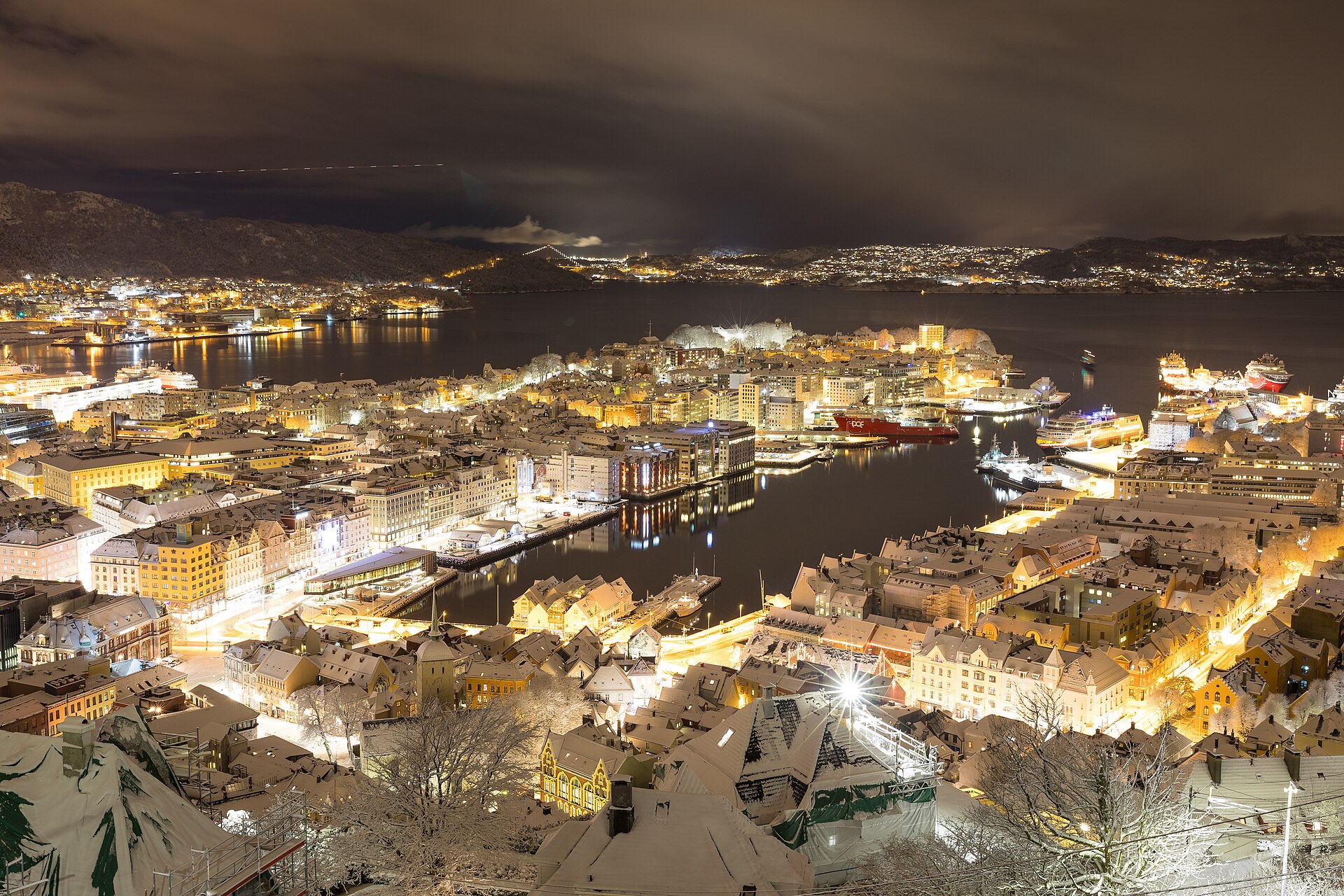
Usable hours and useful hours are different things in Norway. On 21 December 2026 Oslo gets 6 hours 00 minutes of daylight. The season’s latest sunrise is 09:16 on 27 December and its earliest sunset is 15:14 on 16 December. Bergen is fractionally worse at 5 hours 51 minutes, with sunrise as late as 09:42 and sunset as early as 15:31.
Run that against the model trip. Day one starts at 11:15 and the light goes at 15:14: four hours. Day two gives six. Day three, from 09:16 until you leave at 13:30, gives about four. Fourteen daylight hours out of 27 usable ones, from a three-day total of roughly 18. In June the constraint vanishes. Bergen on the solstice has 19 hours 01 minute of daylight, sunrise at 04:10 and sunset at 23:12, which works out at about 57 hours across three days. That is more than twice your usable budget, so your flight times become the only real limit.
| Season | Daylight per day, Oslo | Daylight inside your 27 usable hours | What it changes |
|---|---|---|---|
| Late December | 6h | ~14h | Everything with a view happens before 15:00. Indoor backups essential. |
| Late March | ~12h | ~24h | Daylight roughly stops constraining you. Weather does not. |
| Late June | ~19h | All 27 | Only the flight schedule limits you. |
A December short break should be built backwards from 15:00. Viewpoints in the morning, indoor things in the afternoon and evening. If you are travelling in the dark half of the year, read the winter-specific advice before locking in times, and the month-by-month conditions for what you are walking into.
One base, and how to choose it
Twenty-seven usable hours does not survive being split. Every city change costs a check-out, two station transfers and a check-in: three hours of dead time before the ride itself. Hence one base.
Oslo as your base
Cost: airport return NOK 248 ($27) by Vy or NOK 486 ($52) by Flytoget; city singles NOK 46 ($4.92). Season: all year, and the strongest dark-season option in the country. Time: most sights are a 30-minute walk or one tram apart. Verdict: the right default for most people.
Oslo wins on flight frequency and on backup plans. Twenty-nine weekly flights from Heathrow alone means a morning arrival at a sane fare is actually available, which is worth more here than anything you do once you land. It also absorbs a bad-weather day without the itinerary collapsing.
One correction to almost every older list: the Museum of the Viking Age has been closed since 2023 and is not due to reopen until November 2027. Articles still sending people to Bygdøy for it are years out of date. What is genuinely open and worth your hours is covered properly in the full Oslo guide.
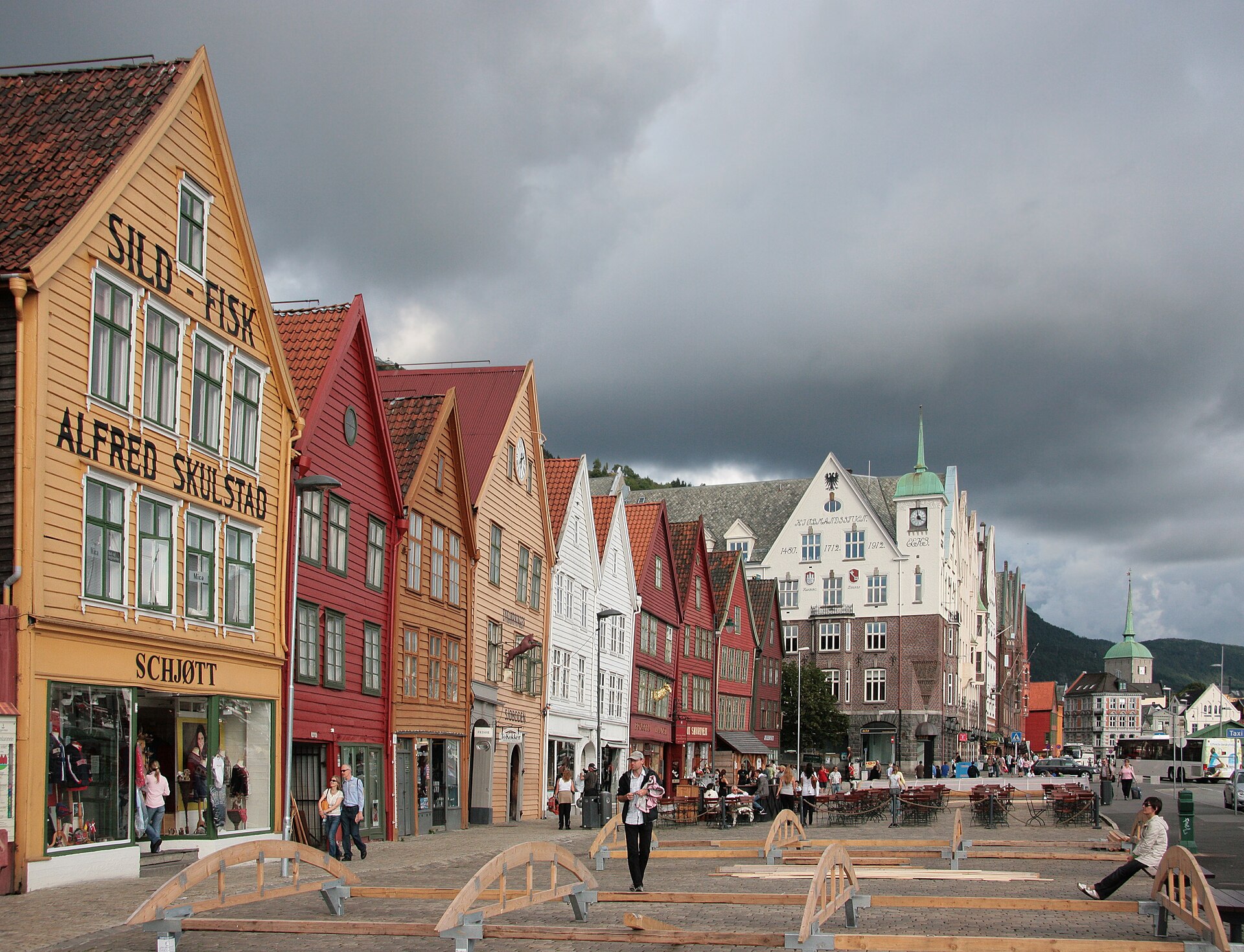
Bergen as your base
Cost: airport return NOK 102 ($11); Fløibanen return NOK 200–220 ($21–24). Season: best May to September, wettest option in winter. Time: the old centre crosses in 25 minutes on foot. Verdict: better for scenery, worse for a bad forecast.
The risk is rain. Bergen’s indoor options run out faster than Oslo’s, and three wet days there is a thin trip. If your dates fall in November or February and you only get one shot, take Oslo. Where you sleep also matters more than usual at this length, because a bad location costs you the same hours twice a day; the breakdown by area is the place to sort that out.
The open-jaw question: into Oslo, out of Bergen
Nobody else addresses this and it deserves a hearing. Fly into Oslo, take the Bergen Line west, fly home from Bergen. The train stops being a round-trip penalty and becomes your transfer.
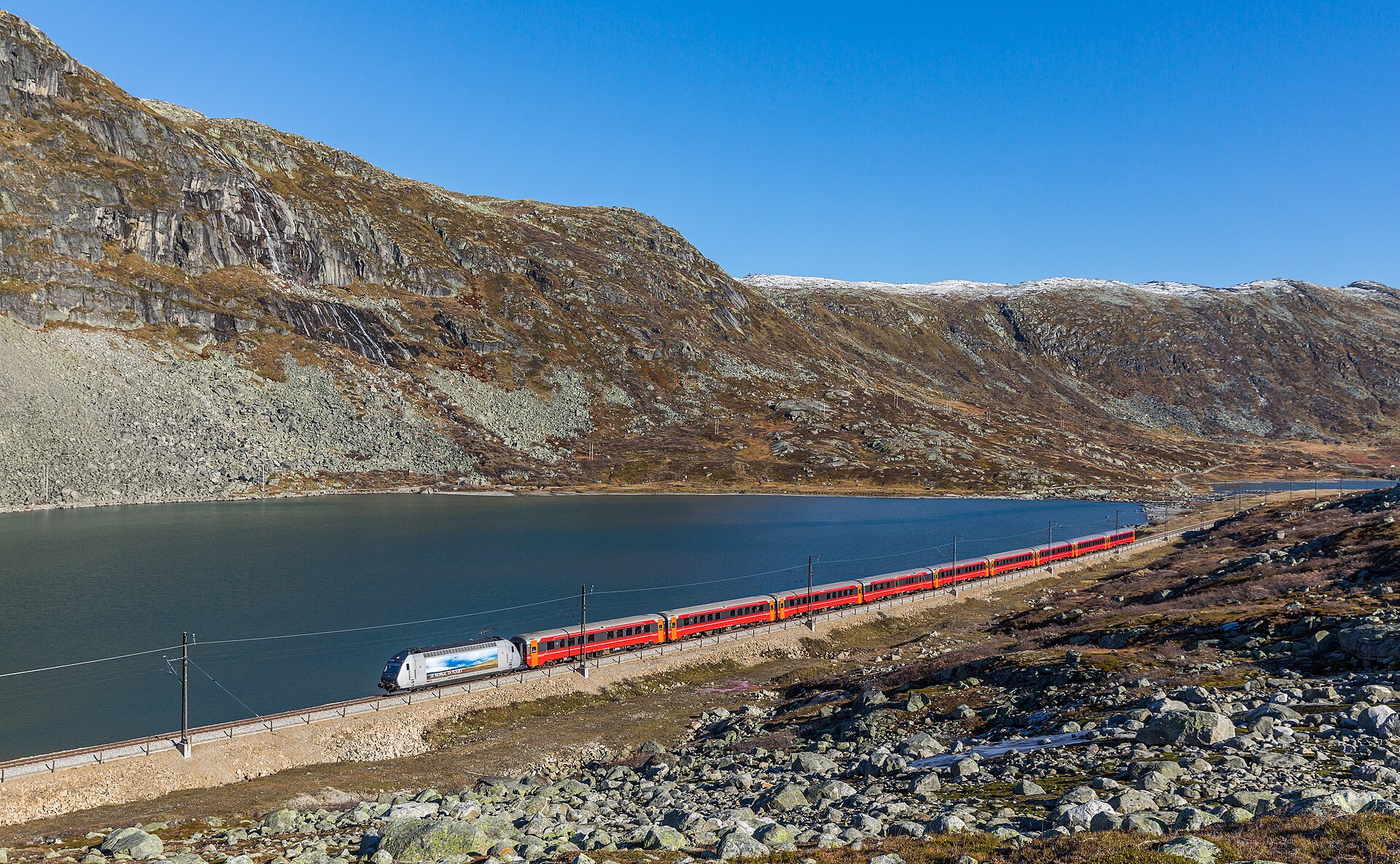
It is not. The Bergen Line is 471.25 km, 21 stations, a high point of 1,237 metres, and 6.5 to 7.5 hours end to end. There are only six or seven departures a day, so your plans slot around the timetable rather than the reverse. With transfers at both ends you are near eight hours door to door: 30 per cent of your entire trip spent sitting down, for the remnant of a first day, a full day on a train, and the remnant of a third. The railway is magnificent and I would not talk anyone out of riding it, but it needs slack. At five days the same open-jaw becomes obviously correct, because the train costs a fifth of your time instead of a third, which is the point at which a two-base route starts making sense.
If you are doing it anyway, one detail beats the fare. Vy’s own winter guidance for the Hardangervidda crossing, the scenic middle of the line, is blunt: there is daylight from about 09:00 to 15:00, so take a morning or early-afternoon departure. An afternoon train in December crosses the plateau in the dark and you have paid for a view of your own reflection. Aggregator timetables list westbound departures around 07:58 and 09:58, arriving about 14:54 and 16:54, plus a night train at 23:05 arriving 06:47. I have not been able to confirm those against Vy’s own booking engine for 2026, so treat them as indicative and check before building a day around them.
The four things worth costing before you book
The Oslo Pass, and why the 72-hour one is wrong
Cost: NOK 580 / 845 / 995 ($62 / $90 / $106) for 24, 48 and 72 hours. Time: validity runs from first use in clock hours, not calendar days. Verdict: buy the 48-hour.
This is where the hours argument pays for itself. The 72-hour pass sounds like the three-day pass, and on a three-day trip that feels automatic. But it counts clock hours and you are asleep through a third of them. Activate it at 11:15 on Friday and it expires 11:15 on Monday, by which point you flew home on Sunday afternoon. You have paid NOK 995 for a window containing about 19 hours you were not in the country for.
The 48-hour pass activated at the same moment runs to 11:15 on Sunday, covering everything except your last two hours, which are a coffee and a walk to the station. You save NOK 150 ($16) and lose nothing. The only case for 72 hours is a late Sunday flight paired with a Friday arrival before 10:00, and even then it is marginal. Run your own activation time against your own departure; almost nobody does, and the pass is priced on the assumption that you will not.
Fløibanen funicular, Bergen
Cost: adult return NOK 200–220 ($21–24). Season: year-round. Time: every 10 to 15 minutes, 07:30 to midnight on weekdays and from 08:00 at weekends; budget 90 minutes including time at the top. Verdict: worth it at the right hour.
Those long opening hours are a winter trap. Ride up at 20:00 in December and the funicular takes your NOK 210 happily, but you are paying for a view of streetlights. With sunset as early as 15:31, this goes in your first daylight block. In June, with the sun up until 23:12, a late ride is one of the better hours of the trip. Same ticket, different product.
The Flåm Railway, and the fare nobody agrees on
Cost: disputed, see below. Time: Myrdal to Flåm takes about an hour each way. Verdict: feasible from Bergen with a whole day, not feasible from Oslo.
The published summer fare is NOK 510 ($55) one way and NOK 730 ($78) return. Other sources give NOK 430 ($46) one way in low season, and a third set in the NOK 245–315 ($26–34) range that appears to be the Eurail and Interrail fare, carrying a 30 per cent discount. Those are not competing claims about one ticket; they are three tickets quoted as though they were one. Rail pass holders should expect the low end, walk-up buyers in July the high end. Book direct and check which season your date falls in rather than trusting a number in an article, this one included.
Hours matter more than the fare. Myrdal is a station on the Bergen Line and sits much closer to the Bergen end than the Oslo end, which is the whole reason this works from one city and not the other. From a Bergen base a Flåm day runs nine or ten hours door to door once you add the Bergen Line legs. That is a third of your usable budget for one outing: defensible if the fjord is why you came, but a substitution rather than an addition. For what the valley is like on the ground, the Flåm guide goes deeper, and the wider fjord region covers what opens up when you have longer.
Norway in a Nutshell in a single day
Cost: NOK 2,250–2,880 ($241–308) for the Oslo to Bergen one-way version, NOK 1,950–2,200 ($209–235) for the round trip from Oslo. Time: 12 to 15 hours door to door. Verdict: it consumes a day and produces a good one. Know that is the trade.
The round trip from Oslo is what people book on a short break, and the arithmetic is stark: 12 to 15 hours out of roughly 27. That is not a day trip, it is one of your two real days, at over NOK 2,000. In late December it starts and ends in darkness with the fjord section squeezed into a six-hour light window. In June it is a strong day. In January you have spent $220 to look out of a dark window.
What to skip on a Norway short break
All of these appear on published three-day lists. All of them are wrong at this length.
The night train, in either direction
The pitch is that a 23:05 departure arriving 06:47 saves a hotel night and a travel day. What it hands you is a 06:47 arrival with your bags, on broken sleep, in a city where nothing opens for three hours. You spend the first half of that day recovering, converting a travel night into a lost morning. On 27 usable hours you cannot write off five to fatigue.
Both cities
Two bases in three days does not work. The check-out, station transfer, journey, arrival transfer and check-in cost three hours minimum on top of the ride, and the Bergen Line is 6.5 to 7.5 hours on its own. Pick one place and go deeper; there is more than enough in Bergen alone to fill 28 hours.
Anything north of Trondheim
Adding Tromsø or the northern lights means a domestic flight each way plus airport time at both ends, on top of the international legs. That is most of a day gone before you see anything, and the aurora keeps no timetable. Superb trip on its own, poor bolt-on. How many days that northern trip needs is worked out in the days-needed breakdown by destination.
Ticketed anything on a late arrival day
Land after 15:00 and do not book timed entry for that afternoon. Most Norwegian museums close at 17:00, so you arrive with 40 minutes and a non-refundable ticket. Walk and eat instead.
What three days costs to move around
I am listing only figures I have checked, which means transport and ticketed sights. Accommodation and food swing hard by season, and I would rather point you at the full cost breakdown than invent a nightly rate.
| Item | NOK | USD | Notes |
|---|---|---|---|
| OSL airport return, Vy L12 | 248 | $27 | 25–30 min each way |
| OSL airport return, Flytoget | 486 | $52 | 19 min, every 10 min |
| Flybussen, one way | 149–199 | $16–21 | 45–60 min |
| OSL taxi, one way | 700–900 | $75–96 | A decision, not a transfer |
| Oslo Pass, 48 hours | 845 | $90 | The right one for three days |
| Oslo Pass, 72 hours | 995 | $106 | Includes hours you are home for |
| Ruter zone 1 single | 46 | $4.92 | Does not cover the airport (zone 4V) |
| Bergen airport return, Bybanen | 102 | $11 | ~45 min, zone A, valid 60 min |
| Fløibanen return | 200–220 | $21–24 | Every 10–15 min |
| Flåm Railway return, summer | 730 | $78 | Low-season and pass fares lower |
| Norway in a Nutshell, round trip from Oslo | 1,950–2,200 | $209–235 | 12–15 hours door to door |
Two realistic totals. An Oslo base with the cheap transfer and a 48-hour pass is NOK 1,093 ($117) in fixed spend. A Bergen base with Bybanen and Fløibanen is NOK 312 ($33). Add the Flåm return and Bergen rises to NOK 1,042 ($111), almost the Oslo figure for a very different trip.
Frequently asked questions
Is three days in Norway enough?
Enough for one city done properly, with perhaps one half-day excursion. Not enough for two cities or a fjord trip launched from Oslo. Three calendar days gives you about 27 usable hours, which is a good weekend in one place rather than a tour of a country 1,750 km long.
Can you see Oslo and Bergen in three days?
You can travel between them. You cannot see both. The Bergen Line takes 6.5 to 7.5 hours before transfers, leaving you the tail of one day in each. If both cities matter, add days rather than moving faster.
How long is the train from Oslo to Bergen?
The Bergen Line covers 471.25 km in 6.5 to 7.5 hours, calling at 21 stations and topping out at 1,237 metres on the Hardangervidda plateau. There are only six or seven departures a day, so you fit around the timetable rather than the reverse. Vy advises a morning or early-afternoon train in winter, since there is daylight only from roughly 09:00 to 15:00 up there.
Is Norway in a Nutshell worth it in one day?
Between April and September, yes, provided you accept it is one of your two real days rather than an addition to them. It runs 12 to 15 hours door to door at NOK 1,950–2,200 ($209–235) round trip from Oslo. In December I would not, because both ends happen in darkness.
What is the cheapest way from Oslo Airport to the centre?
Vy’s regional L12 at NOK 124 ($13) a single, 25 to 30 minutes, from the same platforms Flytoget uses. Flytoget costs NOK 243 ($26) and saves six to eleven minutes, which is NOK 11–20 per minute. The airport is in Ruter zone 4V, so a city ticket will not cover you.
What is the best month for a short trip?
Late May to early September if you want daylight to stop being a constraint, since Bergen has over 19 hours of it on the solstice. Late December if you specifically want the dark-season atmosphere and will plan every outdoor hour before 15:00. March is the quiet compromise. The trade-offs are argued out properly in the guide to choosing your season.
How much does three days in Norway cost?
On fixed transport and attractions, between NOK 312 ($33) for a walkable Bergen base and around NOK 1,093 ($117) for an Oslo base with a 48-hour pass. A fjord railway day pushes either past NOK 1,000. Accommodation and food sit on top and move a long way with season.
Oslo or Bergen as a base?
Oslo for flight choice, indoor backups and a reliable trip in any month. Bergen for fjord scenery close to your hotel, a compact centre and an airport transfer costing NOK 51 ($5.45) instead of NOK 243. In November or February I would take Oslo without much hesitation.
Photo credits
- The Bergen Line takes six and a half hours at best. On a three-day trip that is most of a day. — Photo: Kabelleger / David Gubler / CC BY-SA 4.0 via Wikimedia Commons.
- Bergen is the stronger single base if your flights allow it. — Photo: Anna Anichkova / CC BY-SA 3.0 via Wikimedia Commons.
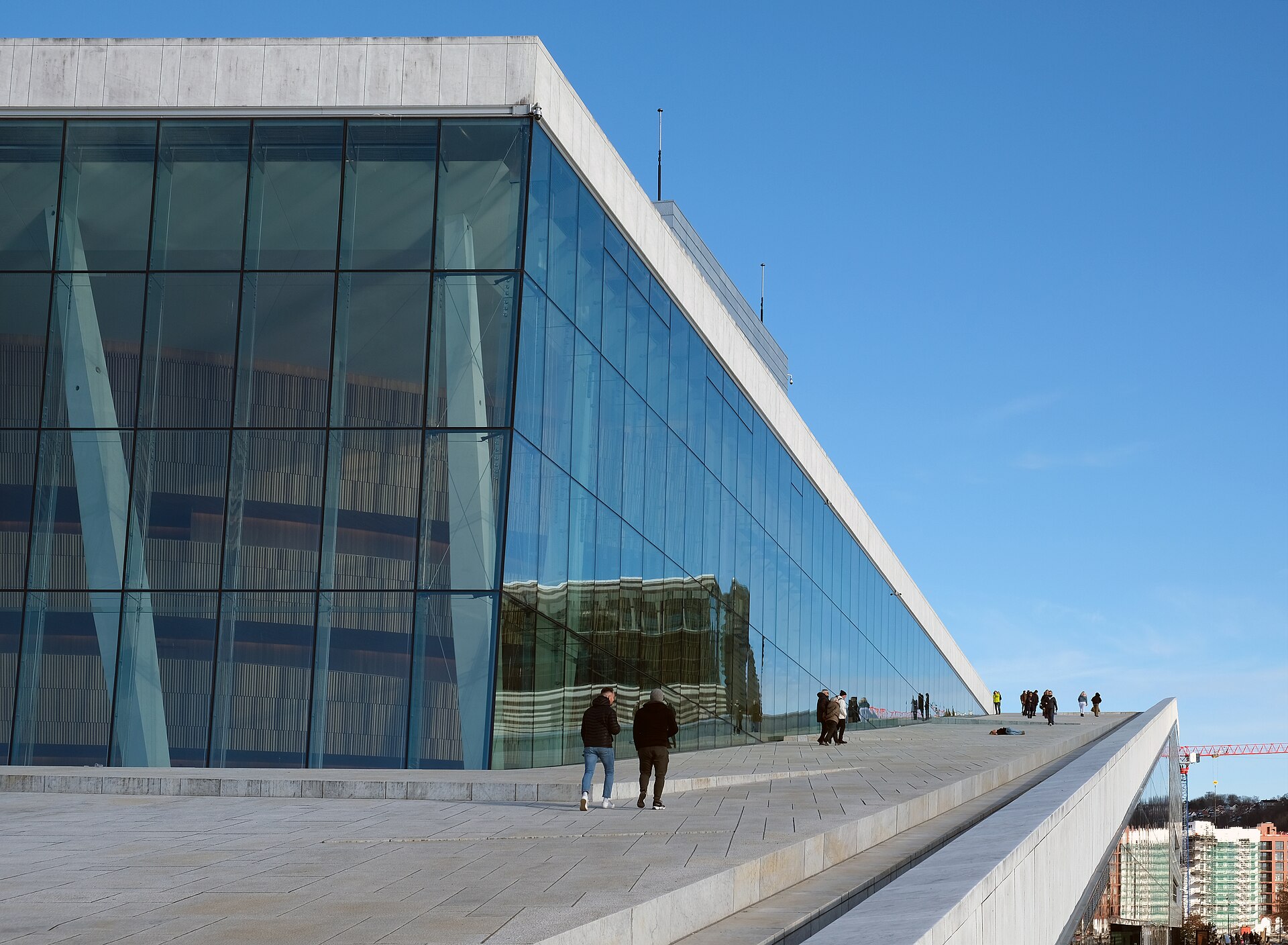
- The Opera House roof is free, open around the clock, and takes twenty minutes. — Photo: kallerna / CC BY-SA 4.0 via Wikimedia Commons.
- In late December, Bergen gets five hours and fifty-one minutes of daylight. Plan around it. — Photo: Svein Magne Tunli / CC BY-SA 4.0 via Wikimedia Commons.
Fares, opening hours and daylight figures checked September 2026 and converted at 9.35 NOK to the US dollar. Norwegian transport fares move with season and demand, and the Flåm Railway in particular is quoted at several different prices depending on season and rail-pass status, so confirm directly with the operator before booking.