I checked every price in the five articles currently ranking for best museums in Oslo. Two of them still tell you the Viking Ship Museum reopens in 2026. It does not — it reopens in November 2027. One still warns that the Nobel Peace Center is closed for a renovation that ended three years ago. Between them they quote the Oslo Pass at three different prices, and not one of them does the arithmetic on whether it is worth buying.
Museum admission in Oslo runs from 120 to 280 kroner. A family of four can spend 1,000 kroner before lunch. This is a page that should be mostly numbers, so that is what this is: current prices, opening days, who gets in free, the Oslo Pass break-even, and which of these you should not bother with.
A note on honesty. Several Norwegian museum sites are JavaScript-driven and would not return a price to any tool I have. Where I could confirm a figure directly from the museum, I say so. Where I could not, I say that too. The alternative — printing a confident number I could not stand behind — is what everyone else on this search has done.
Every major Oslo museum, priced
| Museum | Adult | Free for | Closed | Confidence |
|---|---|---|---|---|
| MUNCH | 280 NOK (~$30) | Under 18; under-25s pay 100 | Open daily | Confirmed — munch.no |
| Astrup Fearnley | 180 NOK (~$19) | Under 20 | Mondays, except Jul–Aug | Confirmed — afmuseet.no |
| Nobel Peace Center | 180 NOK (~$19) | Under 18; students 100 | Mondays | Confirmed — nobelpeacecenter.org |
| Kon-Tiki | 180 NOK (~$19) | Under 6; 6–18 pay 70 | Open 365 days | Confirmed — kon-tiki.no |
| National Museum | ~180–220 NOK | Under 18 | Mondays | Sources disagree |
| Norsk Folkemuseum | ~200–220 NOK | Under 6; 6–17 reduced | Seasonal hours | Sources disagree |
| Fram Museum | ~180 NOK | Child ~70 | Open daily | Single source |
| Historisk Museum | ~120–140 NOK | Under 18 | Mondays | Sources disagree |
| Holmenkollen Ski Museum | ~185–195 NOK | Child ~95–110 | Open daily | Sources disagree |
| Maritime Museum | ~140 NOK | Child/student ~50 | Seasonal | Single source |
| Vigeland Museum | ~80 NOK | Concession ~40 | Mondays | Single source |
| Museum of the Viking Age | — | — | Closed until Nov 2027 | Confirmed |
Prices checked August 2026, converted at 9.35 NOK to 1 USD.
The free entry nobody tells you about
This is the most valuable thing on the page and it appears in none of the competing articles.
- MUNCH is free to everyone on the first Wednesday of the month, 18:00–21:00 — but not in July, August or September. On any Wednesday to Saturday there is also a reduced 200 NOK evening ticket for the 18:00–21:00 slot.
- Under-18s go free at MUNCH, the National Museum and the Nobel Peace Center. Under-20s go free at Astrup Fearnley.
- Under-25s pay 100 NOK at MUNCH, against 280 full price. If you are 24 and standing at the desk, say so.
- Astrup Fearnley is reported as free every Sunday. That comes from one source and I could not confirm it on the museum’s own site, so ask at the door rather than planning around it.
- Astrup Fearnley also drops to 130 NOK, or 80 concession, during exhibition changeovers — worth a look at their calendar if you are flexible.
The under-18 rule reshapes a family visit entirely. Two adults and two teenagers at MUNCH is 560 NOK, not 1,120. Add the National Museum and you are at roughly 960 NOK for four people across two of the best collections in Scandinavia — cheaper than most European capitals manage.
Is the Oslo Pass worth it? The actual arithmetic
The Oslo Pass costs 580 NOK for 24 hours, 845 for 48 and 995 for 72 for an adult. Children aged 6–17 pay 465, 675 and 795; seniors pay 290, 420 and 495. It covers Ruter public transport in zones 1, 2, 3, 4V and 4N, the Vy local train to and from Gardermoen, and entry to most museums.
Nobody does this sum, so here it is.
| Museums in 24 hours | Paying separately (+ transport) | 24-hr pass | You should |
|---|---|---|---|
| One (MUNCH) | ~364 NOK | 580 NOK | Pay separately — save 216 |
| Two (MUNCH + Fram) | ~544 NOK | 580 NOK | Line ball. Pay separately. |
| Three (+ Kon-Tiki) | ~724 NOK | 580 NOK | Buy the pass — save 144 |
| Four (+ Folkemuseum) | ~944 NOK | 580 NOK | Buy the pass — save 364 |
| Three + airport train in and out | ~1,000 NOK+ | 580 NOK | Buy the pass, comfortably |
The break-even is three museums in a day. Most visitors manage two. On a 48-hour pass at 845 NOK the maths is friendlier, because four or five museums across two days is realistic and the transport adds up.
Two traps. The pass covers Ruter zones and the Vy local train to Gardermoen — not Flytoget, and not Vy intercity trains, so it will not take you to Fredrikstad or Lillehammer. And a 24-hour pass runs from first use, not from midnight, so activating it at 16:00 on day one is the efficient move if you are museum-going both afternoons.
The five that are actually worth your money
MUNCH — 280 NOK
Thirteen floors on the Bjørvika waterfront, opened in 2021, five minutes’ walk from the Opera House. It holds the collection Munch left to the city — over a thousand paintings — including a version of The Scream, shown on rotation with the National Museum’s.
Open Sunday to Tuesday 10:00–18:00 and Wednesday to Saturday 10:00–21:00, which makes it the one major Oslo museum that works as an evening plan.
Verdict: the best museum in Oslo, and the 280 NOK is defensible. Go on a Wednesday evening for 200, or the first Wednesday of the month for nothing.
Fram Museum — around 180 NOK
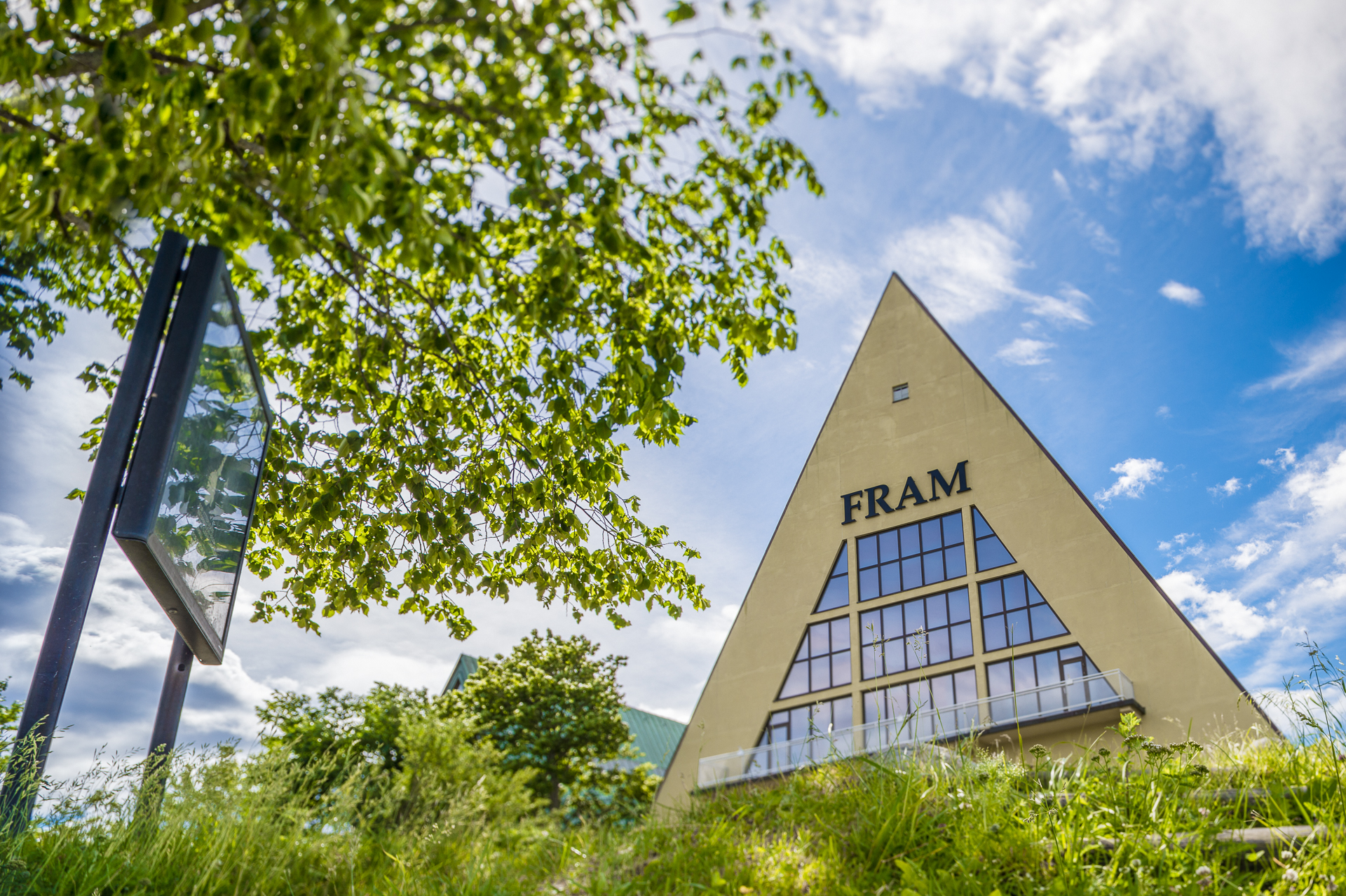
On Bygdøy. The polar ship Fram, which carried Nansen towards the North Pole and Amundsen to Antarctica, sits intact inside the building and you walk through it — down the companionways, into the cabins, onto the deck.
Verdict: the most memorable museum in the city and the one I would send a sceptic to. It is a ship, indoors, that you can climb around in.
The second tier, rated honestly
Beyond the big five there are another dozen museums in Oslo, and the ranking lists tend to include all of them without saying which are worth an afternoon. These are.
Astrup Fearnley — 180 NOK
Contemporary art in a Renzo Piano building at the end of the Tjuvholmen spit, with a canal running under it and the fjord on three sides. Free for under-20s, 100 NOK for students and seniors, and 130 NOK during exhibition changeovers. Closed Mondays outside July and August; Thursdays it stays open until 19:00.
Verdict: the building is worth the ticket on its own. The collection is strong but narrow — Koons, Hirst, Cattelan — and if that period leaves you cold, walk round the outside for free instead.
Nobel Peace Center — 180 NOK
By the City Hall, in the old West railway station. Tuesday to Sunday, 11:00–17:00, free under 18, students 100 NOK. As noted above, three exhibitions closed on 7 September 2026 for renovation.
Verdict: good in principle, currently reduced. Wait for the renovation to finish or go in knowing what you are paying for.
Historisk Museum — around 120–140 NOK
The university’s archaeology and ethnography collection, near the Royal Palace. Free for under-18s, closed Mondays.
Verdict: this is where a good deal of the Viking material went while the Bygdøy museum is closed, which makes it more relevant until November 2027 than it usually is. Cheapest serious museum in the city.
Norwegian Maritime Museum — around 140 NOK
On Bygdøy alongside the Fram and Kon-Tiki, with combined tickets available. Around 100 NOK for seniors and 50 for children and students.
Verdict: the weakest of the three Bygdøy ship museums. Add it if you are buying a combined ticket, skip it if you are paying per entry.
Norwegian Museum of Science and Technology
Out at Kjelsås, at the top of the Akerselva, and the best museum in Oslo for children under about twelve — hands-on, noisy, and largely uninterested in whether you have read the labels.
Verdict: a genuine half day with children and a waste of one without. It is also a long way out, so treat it as the day’s plan rather than a stop. Our guide to Norway with kids covers the equivalents elsewhere.
Ibsen Museum and Home
The apartment where Ibsen lived his last eleven years, near the palace. Small, guided, and specific — if you have read the plays this is affecting, and if you have not it is a flat.
Which museum for which visitor
| If you are | Go to | Skip |
|---|---|---|
| Here for one day | MUNCH, or Fram + Kon-Tiki | National Museum, Holmenkollen |
| Travelling with under-18s | Kon-Tiki, Fram, Science & Technology | Astrup Fearnley, Ibsen |
| Here for the art | National Museum then MUNCH | Everything on Bygdøy |
| Here for Viking history | Historisk Museum | Museum of the Viking Age — closed to 2027 |
| Visiting in winter | Bygdøy cluster, MUNCH in the evening | Folkemuseum, which is an outdoor site |
| Visiting in July | Folkemuseum, staffed and alive | Nothing — everything is open |
| On a tight budget | MUNCH free on the first Wednesday evening | The Oslo Pass |
The pattern worth noticing: Oslo’s museums are unusually seasonal for an indoor attraction. The Folkemuseum is a completely different proposition in July and February. The Bygdøy ferry only runs part of the year. Holmenkollen flips from pointless to good when there is snow on it. Planning a museum day here means checking the calendar, not just the opening hours — the seasonal picture is in the best time to visit Norway.
How Oslo compares
Worth some context before you decide the prices are outrageous. Oslo’s Numbeo cost-of-living index for August 2026 was 90.2, against Zurich at 118.5, Reykjavík at 98.9 and London at 87.5. Museum admission here is high but broadly in line with the city’s other prices, and the under-18 free rule makes family visits cheaper than in most comparable capitals.
What Oslo genuinely does better than its neighbours is concentration. Four significant museums sit within a few minutes’ walk of each other on Bygdøy, two more are on the same stretch of waterfront in Bjørvika, and everything is inside a zone-1 transit ticket. You are not paying intercity fares to assemble a museum day, which is more than can be said for a lot of places. The wider budget picture is in what Norway costs, and if museums are the reason you are coming at all, our Oslo city guide is the parent page for everything here.
Kon-Tiki — 180 NOK
Next door to the Fram. Thor Heyerdahl’s balsa raft, which crossed 8,000 kilometres of Pacific in 1947, plus the papyrus boat Ra II. Children 6–18 pay 70 NOK, seniors 140, a family ticket 400. It is open every day of the year, which no other Oslo museum manages.
Verdict: smaller than the Fram and takes about 45 minutes. Do both — they are a two-minute walk apart and there is a combined ticket.
National Museum — around 180–220 NOK
Opened June 2022 and the largest art museum in the Nordic countries: 54,600 m² in total with 13,000 m² of exhibition space and more than 400,000 objects, including Munch’s original The Scream.
That scale is the catch. Two hours in here is a skim. Adult admission is somewhere between 180 and 220 NOK — I found both figures in current use and the museum’s own ticket page is JavaScript-gated and returned nothing. Under-18s are free.
Verdict: outstanding, and wrong for a short trip. Half a day minimum or don’t start.
Norsk Folkemuseum — around 200–220 NOK
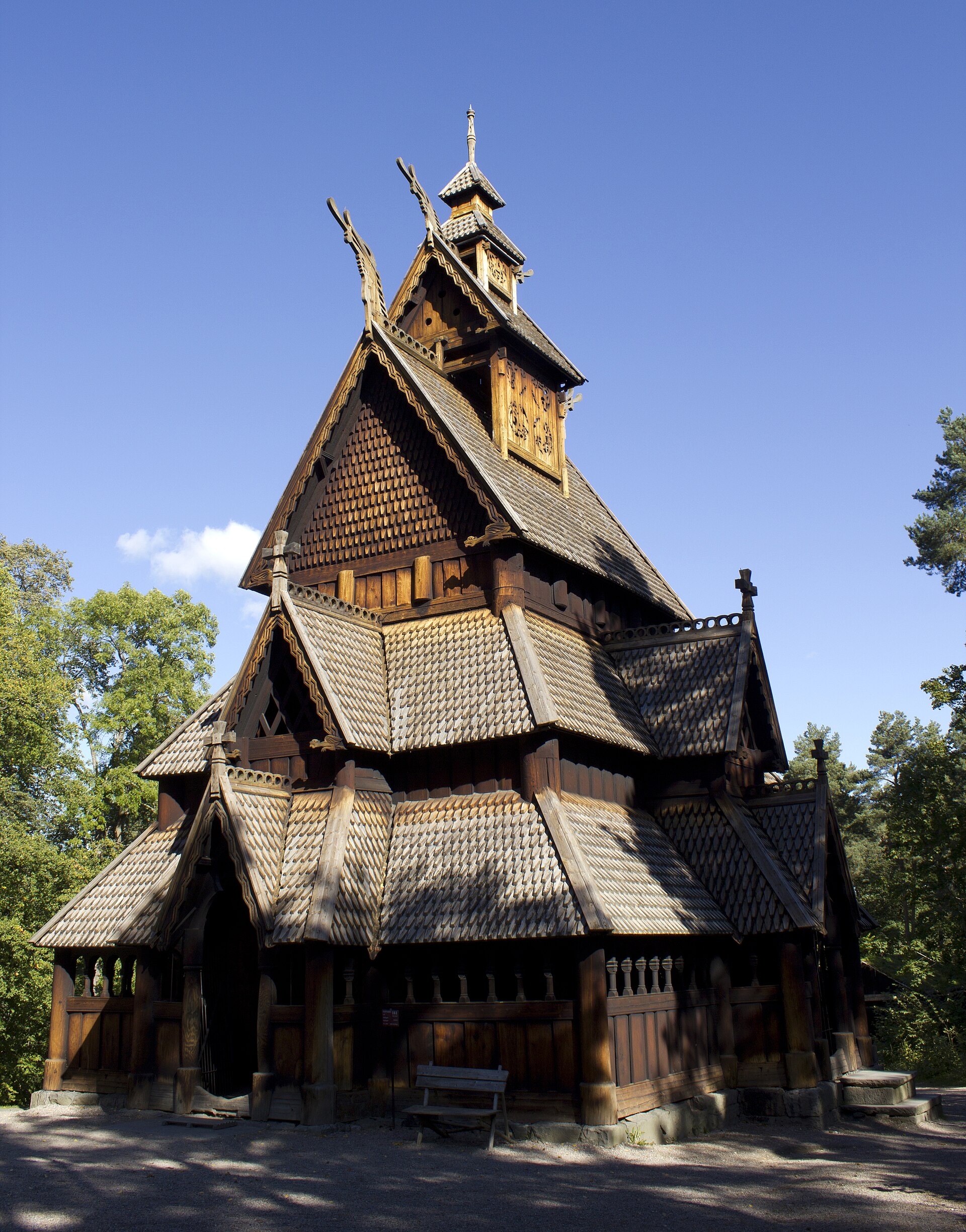
An open-air museum on Bygdøy: 160-odd relocated buildings including the Gol stave church from about 1200. Seasonal hours and seasonal pricing, with the summer rate higher than the winter one.
Verdict: the best-value ticket in Oslo in June and July, when the buildings are staffed and the site is alive. In February it is a cold walk around some locked wooden houses. Season matters here more than at any other museum in the city.
Getting to Bygdøy, which is where four of these are
Four of the museums worth your time — Fram, Kon-Tiki, Folkemuseum, Maritime — are on the Bygdøy peninsula, a fifteen-minute journey west of the centre. Nobody sets this out clearly, so:
- Passenger ferry from Rådhusbrygge 3, by the City Hall. Around 8–10 minutes. Seasonal, roughly from mid-March, running every 20 minutes. Reported at about 70 NOK one way and 115 NOK for a day pass, from a single source — check at the pier.
- Bus 30 from the centre. Year-round, on a normal Ruter ticket, and the only option in winter.
The museums sit a few minutes’ walk from each other, so one trip covers all four. Doing Bygdøy properly is a half day. Trying to add it to a Frogner Park afternoon is the classic Oslo scheduling mistake — our timed one-day plan makes you choose between them for exactly that reason.
What to skip
The Museum of the Viking Age. Closed since 2021 and not reopening until November 2027. Multiple current guides say 2026. They are copying each other rather than checking, and if you build a day around the Oseberg ship you will arrive at a building site.
The National Museum on a short trip. Covered above. It is too big to do badly.
Holmenkollen Ski Museum in summer. Around 185–195 NOK plus a 25-minute metro ride each way and a steep climb. In February, with snow and the jump in use, it is worth the trip. In July it is a museum about snow, in a haze, a long way out. Save it for a winter visit — see Oslo in winter.
The Vigeland Museum. Around 80 NOK for the sculptor’s studio, across the road from a park containing 212 of his sculptures that costs nothing. Unless you have a specific interest in his working process, walk the free version.
Buying the Oslo Pass “just in case”. Two museums a day is the normal pace and two museums a day loses money on the pass. Decide your museums first, then buy.
Assuming everything opens on Monday. The National Museum, Astrup Fearnley, the Nobel Peace Center and the Historical Museum all close on Mondays. MUNCH and Kon-Tiki do not. A Monday in Oslo needs planning.
A warning about September 2026
The Nobel Peace Center closed three of its exhibitions on 7 September 2026 for renovation. The building is still open Tuesday to Sunday, 11:00–17:00, at 180 NOK, but you will be paying full price for a reduced display. Check what is actually hanging before you go — this is exactly the sort of thing that will still be missing from competing guides in two years’ time.
Three museum days that work
| You have | Do this | Cost per adult |
|---|---|---|
| Half a day | MUNCH alone, on the 200 NOK evening ticket | ~200 NOK |
| One day | Bygdøy: Fram + Kon-Tiki + Folkemuseum, ferry both ways | ~700 NOK, or 580 with the pass |
| One day, art | National Museum in the morning, MUNCH in the evening | ~460–500 NOK |
| Two days | Bygdøy day + art day, on a 48-hour pass | 845 NOK, saving roughly 300 |
| Rainy day with children | Kon-Tiki + Fram; both adults pay, children under 18 mostly free | ~360 NOK for two adults |
If you are fitting museums around everything else, the two-day Oslo plan shows where they land, and where to stay in Oslo covers which districts put you nearest which cluster. For the free alternatives — and there are good ones — see free things to do in Oslo.
Frequently asked questions
What is the best museum in Oslo?
MUNCH, for the collection and the building, at 280 NOK. If you want the most memorable rather than the most important, the Fram Museum on Bygdøy — you walk through an intact polar exploration ship — is the one people talk about afterwards.
Is the Oslo Pass worth it for museums?
Only above three paid museums in 24 hours. At 580 NOK the pass beats paying separately from the third admission onwards; below that you lose money. The 48-hour pass at 845 NOK is easier to justify because four or five museums across two days is a realistic pace.
Is the Viking Ship Museum open in 2026?
No. It has been closed since 2021 and reopens as the Museum of the Viking Age in November 2027. Several current guides incorrectly say 2026.
Which Oslo museums are free for children?
Under-18s are free at MUNCH, the National Museum and the Nobel Peace Center; under-20s are free at Astrup Fearnley. Kon-Tiki charges 70 NOK for ages 6–18 and is free below 6. This is unusually generous by European standards and it changes what a family visit costs.
Are Oslo museums open on Mondays?
Many are not. The National Museum, Astrup Fearnley (outside July and August), the Nobel Peace Center and the Historical Museum all close on Mondays. MUNCH is open daily and Kon-Tiki opens every day of the year.
How do you get to the Bygdøy museums?
The passenger ferry from Rådhusbrygge 3 by the City Hall takes about eight to ten minutes and runs seasonally every 20 minutes. Bus 30 runs year-round on a normal Ruter ticket and is the only option in winter.
How much does the Oslo Pass cost?
580 NOK for 24 hours, 845 for 48 and 995 for 72 for an adult in 2026. Children aged 6–17 pay 465, 675 and 795; seniors 290, 420 and 495. Guides quoting 395 or 520 are out of date.
Can I see The Scream in Oslo?
Yes, in two places. The National Museum holds the best-known 1893 painted version, and MUNCH holds other versions from the artist’s bequest, shown on rotation. Which one is hanging on a given day varies, so check before you go if a specific version matters to you.
Photo credits
- The Fram Museum: you walk through the ship itself, which is why it is the one people remember. — Photo: Tore Storm Halvorsen / CC BY-SA 4.0 via Wikimedia Commons.
- The Gol stave church, moved to the Folkemuseum: a different proposition in July than in February. — Photo: Eskild Engeland Fors / CC BY-SA 3.0 via Wikimedia Commons.
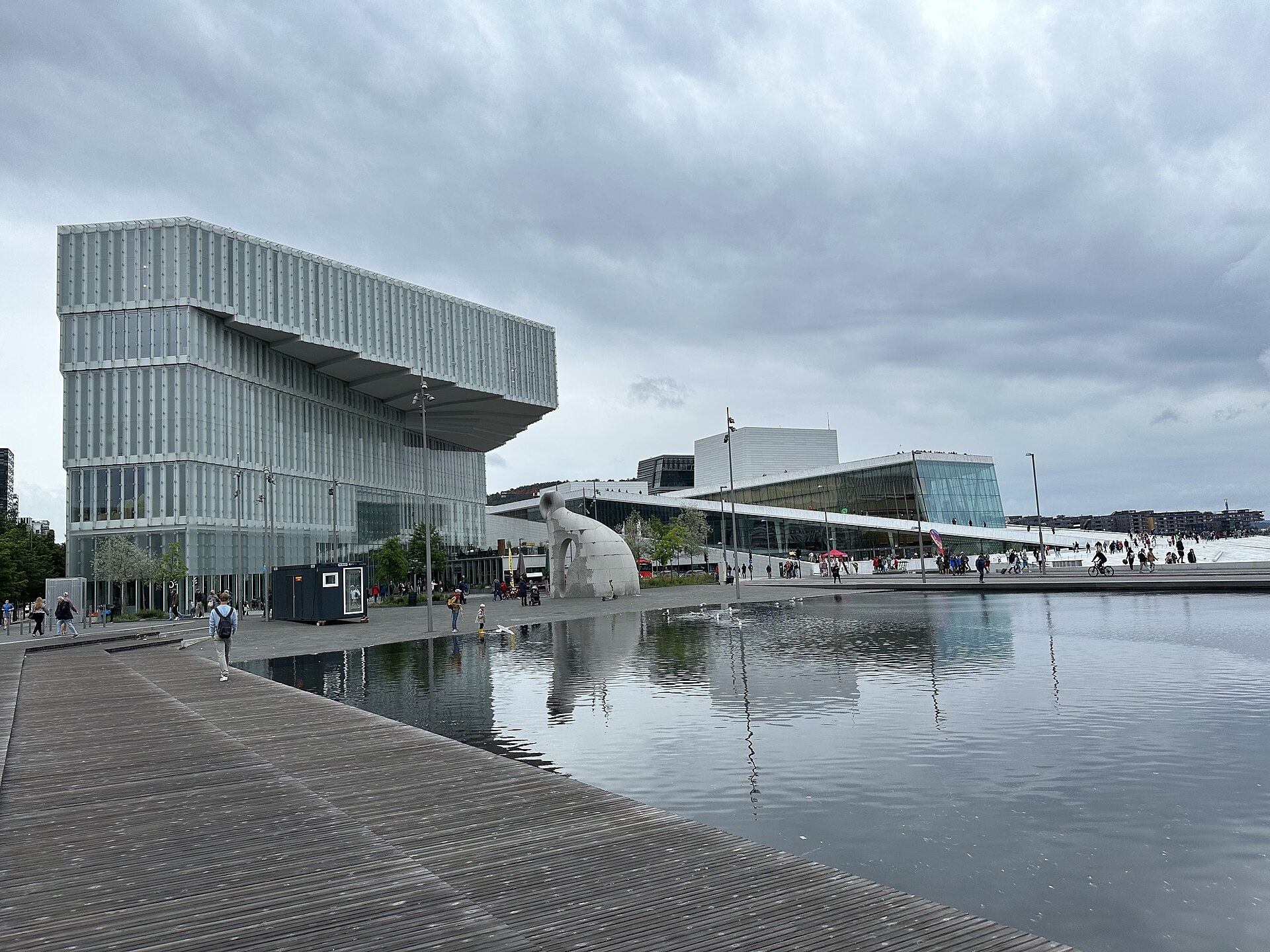
- Not a museum, and free: Deichman Bjorvika is the best-value indoor hour in the city. — Photo: charlotte henard / CC BY-SA 2.0 via Wikimedia Commons.
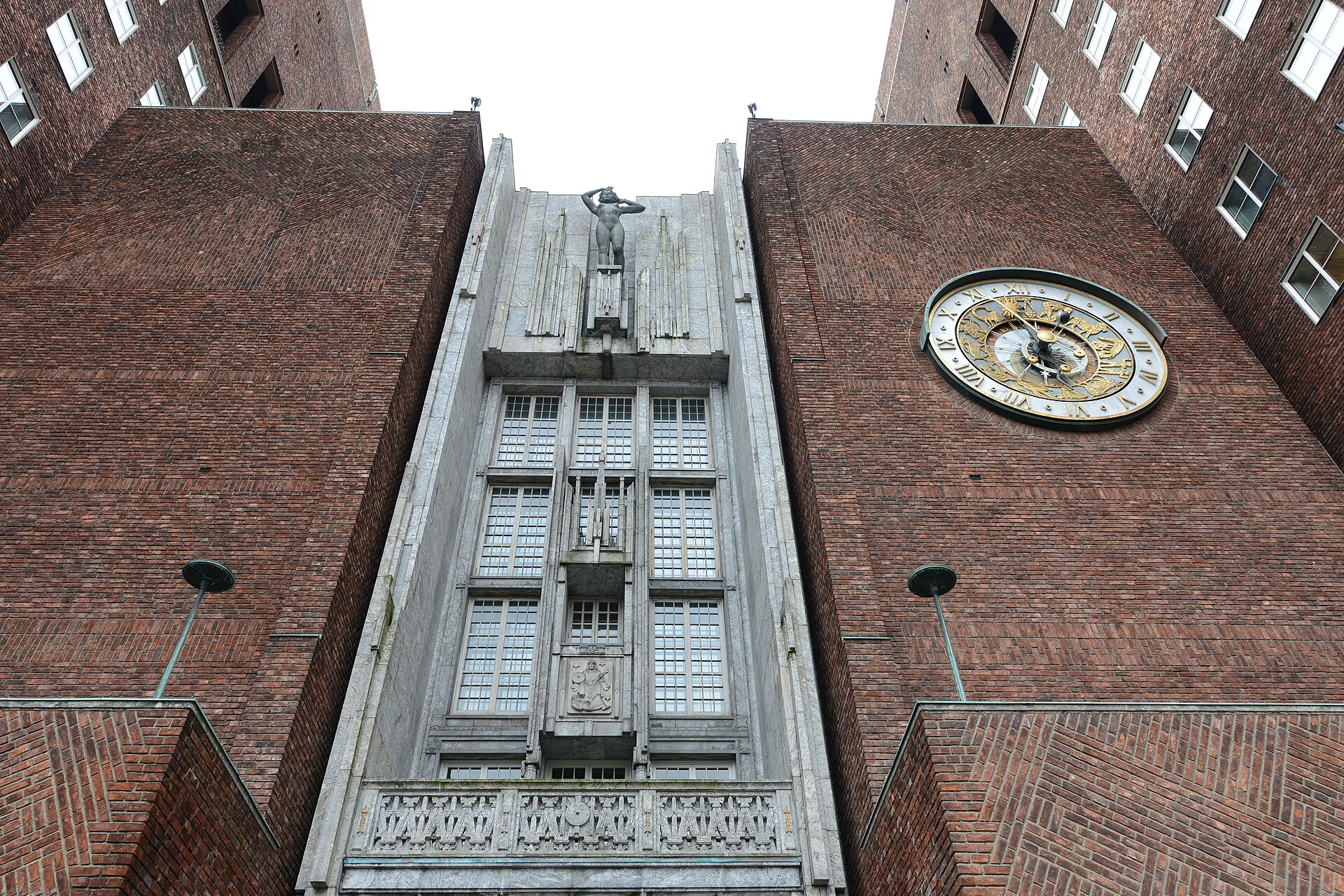
- The Nobel Peace Prize is awarded in Oslo City Hall each December. Walking in costs nothing. — Photo: Jorge Láscar from Melbourne, Australia / CC BY 2.0 via Wikimedia Commons.
Prices checked August 2026 and converted at 9.35 NOK to 1 USD. MUNCH, Astrup Fearnley, Kon-Tiki and the Nobel Peace Center figures come from those museums directly; the National Museum, Folkemuseum, Fram, Historical Museum, Holmenkollen and Maritime Museum prices are given as ranges because their ticket pages are JavaScript-driven and would not return a figure I could quote. Oslo museum admission has risen faster than inflation for several years, so treat every number as a floor.