Category: Oslo Travel Guide

  • Things to Do in Oslo: The Complete 2026 Travel Guide

    Things to Do in Oslo: The Complete 2026 Travel Guide

    I’ve lost count of how many times I’ve landed at Oslo and watched first-timers do the same thing: drop their bags, glance at the grey-and-glass skyline, and quietly wonder whether they should have just skipped straight to the fjords. Stick around two or three days and that doubt evaporates. Oslo is a city you walk into expecting “Scandinavian capital, tick the box” and walk out of having swum off a downtown island, eaten reindeer in a converted factory, and stood ten centimetres from a painting that defined modern anxiety.

    The best things to do in Oslo range from walking the marble roof of the Opera House and wandering Vigeland Sculpture Park to island-hopping the Oslofjord, soaking in a wood-fired floating sauna, and standing in front of Munch’s The Scream. Norway’s compact capital pairs world-class museums with forest, fjord and bathing beaches that are all reachable on a single transit ticket. This is our complete, honest, regularly-updated guide to what to do, what it costs, and how to do it without quietly going broke.

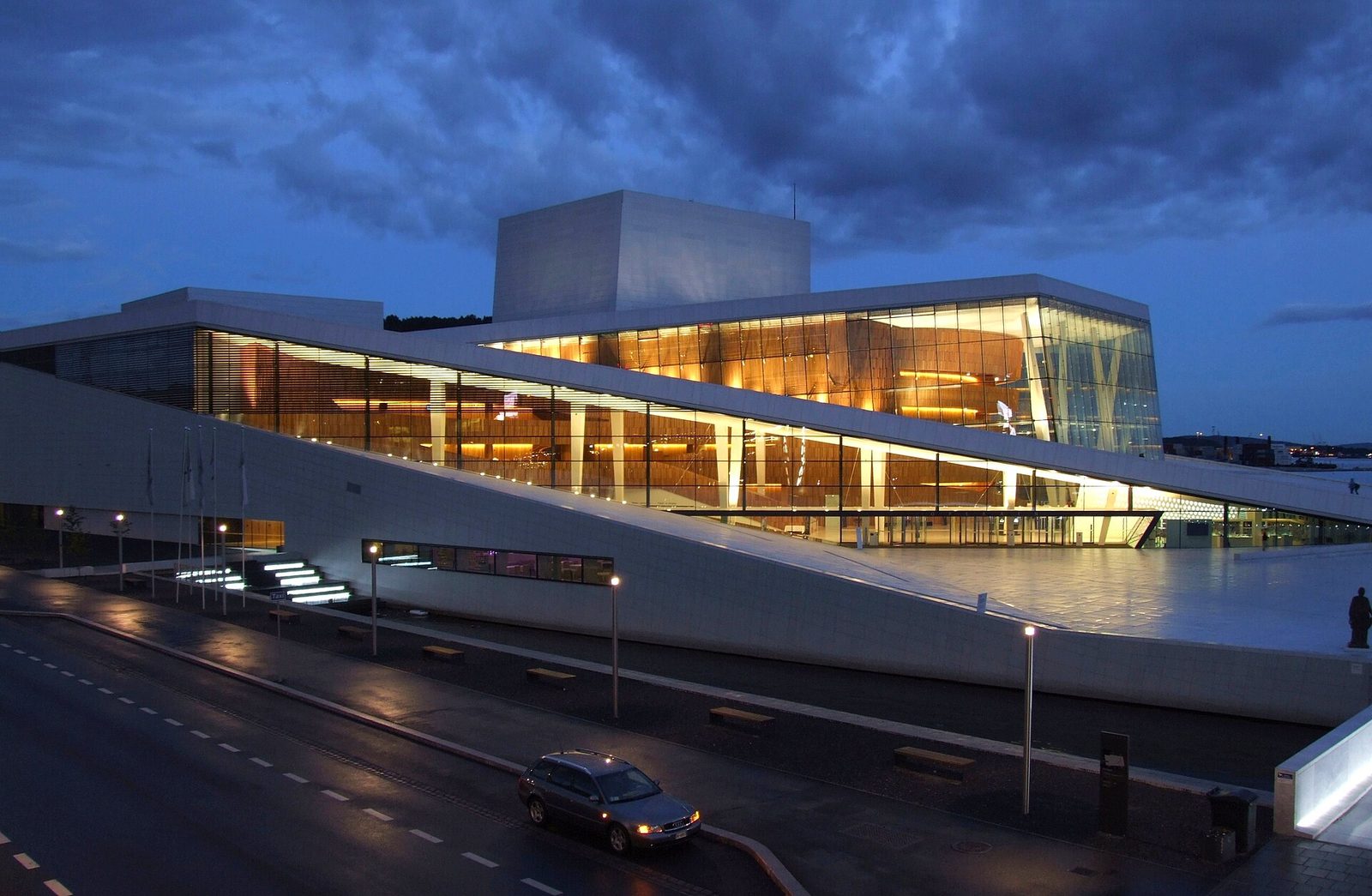
    Things to do in Oslo: the white marble Oslo Opera House illuminated at dusk beside the fjord

    Oslo at a Glance: Top Attractions, Costs and Time Needed

    If you only skim one thing, skim this. Prices are 2026 adult rates in Norwegian kroner (NOK) with rough US-dollar equivalents at about 10.5 NOK to the dollar; always check current pricing before you go, as Norwegian attractions adjust fares most years.

    Attraction What it is Cost (2026, approx.) Time needed
    Opera House roof Walk up a marble glacier for fjord views Free 30–45 min
    Vigeland Sculpture Park 200+ Gustav Vigeland sculptures, open-air Free 1–2 hrs
    MUNCH museum 13-storey home of Munch’s work, incl. The Scream ~220 NOK (~$21) 2–3 hrs
    National Museum Nordics’ largest art museum; the 1893 Scream ~180 NOK (~$17) 2–3 hrs
    Bygdøy museums (Fram, Kon-Tiki, Folkemuseum) Polar ships, balsa rafts, open-air history ~180–200 NOK each Half day
    Akershus Fortress Medieval castle and free harbour ramparts Grounds free; castle ~150 NOK 1–2 hrs
    Holmenkollen Ski Jump Iconic jump, ski museum, viewing deck ~190 NOK (~$18) 2–3 hrs
    Oslofjord island ferry Public boat to swimming islands Standard transit ticket (~44 NOK) Half day

    Bottom line up front: two full days cover Oslo’s headline sights; three days is the sweet spot. Budget honestly for around 1,500–2,500 NOK ($145–240) a day per person including a mid-range hotel, and seriously consider the Oslo Pass if you’re a museum person. More on all of that below.

    Is Oslo Worth Visiting? An Honest Take

    Let me get the elephant out of the room. You’ll meet Norwegians who shrug at their own capital, and travel forums where someone insists Oslo is “boring” and you should give it a single day on the way to Bergen. I think that take is dated and lazy, but I understand where it comes from. Oslo isn’t a chocolate-box city of cobbled lanes and pastel facades; it’s a working capital that spent the last fifteen years rebuilding its waterfront into one of the most interesting architectural stretches in Europe.

    What Oslo actually does brilliantly: museums (genuinely world-class, and now spread across spectacular new buildings), modern architecture (the Opera House, the MUNCH tower, the Deichman library and the whole Bjørvika “Barcode” district), and the rare trick of having real wilderness inside the city limits. You can finish a museum at noon, ride the metro twenty minutes, and be hiking in pine forest or swimming off a rock by early afternoon. Add a cold-plunge sauna culture, excellent coffee, and some of the cleanest tap water on earth, and “boring” stops making sense.

    The honest cons: it’s expensive (we’ll be very specific about that), museum opening hours are short — often only six or seven hours a day — so you have to plan, and the weather can be grey and wet for big chunks of the year. And yes, if you’re choosing between Oslo and Bergen for scenery alone, Bergen wins. But Oslo isn’t competing on scenery; it’s competing on culture, design and easy access to nature, and on that scorecard it more than earns two or three of your days. For the bigger picture of how it fits a national trip, see our overview of the best things to do in Norway.

    How Many Days Do You Need in Oslo?

    Short version: two days minimum, three if you can. Here’s how the math works out in practice.

    One day is enough to get a feel for the city if you’re transiting — roof of the Opera House, a stroll up Karl Johans gate, Vigeland Park, and one big museum. You’ll leave having seen the highlights reel and nothing more. Two days is the realistic minimum to enjoy rather than sprint: add the Bygdøy museum peninsula and a neighbourhood like Grünerløkka. Three days is the sweet spot — you get the museums, the parks, a sauna or an island swim, and time to slow down. Four days or more earns you a day trip: a fjord-side village like Drøbak, the old fortress town of Fredrikstad, or the start of the famous train west.

    The Best Things to Do in Oslo

    This is the heart of the guide. I’ve grouped Oslo’s attractions into the way you’ll actually experience them — icon sights, museums, the fjord, the hills, and the neighbourhoods — rather than a numbered list you’ll lose track of. Each entry has the practical stuff: rough cost, how long to budget, and how to get there.

    Oslo’s Icon Sights

    Walk the roof of the Opera House. Start here, because it’s free and it tells you everything about modern Oslo. The Snøhetta-designed Opera House (2008) rises out of the Bjørvika waterfront like a slab of white Carrara marble pretending to be an ice floe, and the genius of it is that the public is invited to walk straight up the sloping roof to a viewpoint about 18 metres up. Do a slow loop for 30–45 minutes and you’ll get the fjord, the islands, and the new skyline in one sweep. One warning from experience: the marble is treacherously slippery when wet or icy, so wear shoes with grip in winter.

    Vigeland Sculpture Park (Frogner Park). If you do one “tourist” thing in Oslo, make it this. Set inside the leafy Frogner Park, Vigeland is the world’s largest sculpture park by a single artist — more than 200 bronze, granite and wrought-iron works that Gustav Vigeland spent two decades creating. The 14-metre granite Monolith, carved with 121 intertwined human figures, is the centrepiece; the furious little bronze toddler nicknamed Sinnataggen (“the Angry Boy”) is the crowd favourite. It’s free, open around the clock, and at its magical best early in the morning before the tour groups arrive. Allow an hour or two; longer if the sun’s out and you fancy a picnic.

    Akershus Fortress. The medieval castle and fortress on the harbour dates to around 1300 and is still a working military site. The ramparts and grounds are free to wander — superb harbour views, especially at golden hour — and you can pay around 150 NOK to go inside the castle itself. The on-site Armed Forces Museum is free; the moving Norwegian Resistance Museum (Hjemmefrontmuseet) charges a small entry. Budget an hour or two.

    The Royal Palace and Changing of the Guard. At the top of Karl Johans gate, the Royal Palace anchors the city’s grand axis. The park around it is free to stroll year-round, and the Changing of the Guard happens daily at 13:30 — free to watch, often with a marching band in summer. You can only tour the palace interior in summer (the 2026 season runs roughly 20 June to 16 August), with English-language tours costing about 230 NOK; book ahead through Ticketmaster because the handful of walk-up tickets vanish fast.

    Stroll Karl Johans gate. Oslo’s grand main street runs about 1.2 km from Central Station up to the Palace, passing the Cathedral, Parliament (Stortinget, with free guided tours on selected days), the National Theatre and the historic University. It’s the city’s promenade — touristy, yes, but a good orientation walk on arrival and lively on a summer evening.

    The Best Museums in Oslo

    Oslo punches absurdly above its weight on museums, and the last few years have given several of them spectacular new homes. If you’re a museum person, this is where the Oslo Pass starts paying for itself.

    MUNCH. The home of Edvard Munch’s work moved in 2021 into a leaning 13-storey tower in Bjørvika, right next to the Opera House, and rebranded simply as MUNCH. Inside you’ll find the world’s deepest collection of Munch, including painted, drawn and printed versions of The Scream — typically one version is on display at a time, rotated through the day to protect the fragile works. Adult entry is around 220 NOK (~$21); under-18s are free, and it’s included with the Oslo Pass. There’s free entry on Wednesday evenings outside July and August, and the top-floor bar has a view worth the price of a coffee. Book a timed slot in advance.

    The National Museum. Opened in 2022 near the City Hall waterfront, this is the largest art museum in the Nordic countries, and it holds the version of The Scream most people actually picture: the painted 1893 original. Yes, Oslo has two Screams in two museums — the National Museum’s painting and MUNCH’s own versions — which is a fun bit of trivia and a genuine reason to visit both. Adult entry is around 180 NOK (~$17, and possibly a touch higher in 2026 — check current pricing); under-18s are free. It’s open late on Thursdays, which is the quietest time to go.

    The Bygdøy museum peninsula. A short bus 30 ride or a seasonal ferry from the City Hall pier takes you to Bygdøy, a green peninsula packed with Norway’s blockbuster history museums. The Fram Museum houses the actual polar ship Fram that carried Nansen and Amundsen toward the poles — you can climb aboard — for around 180 NOK; a combo ticket with the neighbouring Kon-Tiki Museum (Thor Heyerdahl’s original balsa-wood raft from the 1947 Pacific crossing) runs about 325 NOK. The open-air Norwegian Museum of Cultural History (Norsk Folkemuseum) gathers 160-plus historic buildings, including the c. 1200 Gol Stave Church, with costumed interpreters and folk dancing in summer; adult entry is around 200 NOK. All are free with the Oslo Pass.

    A heads-up on the Viking ships. This trips up a lot of visitors, so plan around it: the old Viking Ship Museum on Bygdøy is closed. It shut in 2021–22 for a complete rebuild and is being replaced by the much larger Museum of the Viking Age (Vikingtidsmuseet), currently scheduled to open in 2027 — though that date has slipped before, so check the latest before counting on it. The famous Oseberg, Gokstad and Tune ships are not viewable in 2026. In the meantime, you can see genuine Viking-age artefacts at the VÍKINGR exhibition in the Historical Museum downtown, or get a family-friendly digital fix at The Viking Planet near City Hall.

    Two more worth your time. The Nobel Peace Center by the harbour tells the story of the Peace Prize (awarded in Oslo, while the other Nobels are handed out in Stockholm). And out at Tjuvholmen, the Renzo Piano-designed Astrup Fearnley Museum is a sail-roofed contemporary-art gem with Warhol, Hirst and Koons, for around 180 NOK.

    Bronze figures reaching skyward among the sculptures of Vigeland Sculpture Park in Oslo

    The Oslofjord: Islands, Ferries, Saunas and Swimming

    Here’s the secret most one-day visitors miss entirely: Oslo sits at the head of a fjord dotted with small islands, and getting out onto the water is cheap and easy. Public ferries leave from the Rådhusbrygge piers by City Hall to a string of islands — Hovedøya, Lindøya, Gressholmen, Bleikøya, Nakholmen and Langøyene — and they’re covered by an ordinary transit ticket or the Oslo Pass, not some inflated tourist fare.

    Hovedøya, the closest at about ten minutes out, has 12th-century monastery ruins, swimming coves and easy walking trails. Langøyene has the best sandy beach for a proper swim. Buy a 24-hour transit ticket, ride out, picnic, swim, hop to another island, and you’ve got yourself a half-day “fjord cruise” for the price of a couple of bus rides. In summer the boats run every 15–20 minutes; the full island schedule kicks in from around mid-May.

    If you’d rather be guided, sightseeing cruises and dinner cruises leave from Aker Brygge, and you can rent a kayak to paddle the inner fjord. There’s even GreenKayak, which lends you a kayak for free in exchange for collecting any litter you find — a genuinely lovely (and Instagram-friendly) way to get on the water for nothing.

    Sauna and cold-plunge culture. One of the most quintessentially modern-Oslo things to do is book a floating sauna on the harbour, roast yourself, then leap into the fjord. Operators like KOK and SALT have wood-fired saunas right on the waterfront in Bjørvika and Aker Brygge; you can do a public drop-in session or rent a private floating sauna for a group. In winter, the contrast of a 80°C sauna and a 4°C fjord is the kind of thing you’ll be telling people about for years.

    People relaxing on the Aker Brygge waterfront in central Oslo, with the City Hall behind

    Parks, Hills and Nature Without Leaving the City

    This is Oslo’s superpower. The metro will carry you from downtown straight to the edge of the forest, and the city is ringed with hills and lakes that locals treat as their back garden.

    Holmenkollen Ski Jump. Ride metro line 1 about 30 minutes uphill and you reach the most famous ski jump in the world, looming over the city like a giant ski-shaped sculpture. The site includes the world’s oldest ski museum and a viewing deck at the top of the jump tower with sweeping views over Oslo and the fjord; combined entry is around 190 NOK. There’s a ski simulator, and in some seasons a zipline that fires you down the landing slope — though it’s weather-dependent and not always running, so don’t build your day around it. Holmenkollen is a year-round attraction, not just a winter one.

    Nordmarka and the lakes. Stay on that same line to Frognerseteren and you’re in Nordmarka, a vast forest of hiking and cross-country ski trails, with a classic timber lodge serving waffles and hot chocolate and a sledging run in winter. For an easy nature fix closer in, the lake at Sognsvann (end of metro line 5) has a flat 3.3 km loop that locals walk, run and swim at all summer.

    Ekebergparken. On the wooded hillside east of the centre, this free sculpture park mixes art by Dalí, Renoir and others with the city’s best panoramic viewpoint — reputedly the very spot where Munch heard the “scream of nature.” Take tram 18 or 19. Open around the clock, free, and far quieter than Vigeland.

    The Holmenkollen ski jump rising above the forested hills of Oslo

    Neighbourhoods to Wander

    Oslo rewards aimless walking, and a few districts are worth setting aside time for.

    Grünerløkka is the hip former-industrial quarter northeast of the centre — vintage shops, third-wave coffee, street art, riverside bars and a Sunday flea market at Birkelunden. Walk there along the Akerselva, the river that powered Oslo’s early industry, now a green corridor of waterfalls and old brick mills. While you’re up there, swing by Mathallen, an indoor food hall with 30-plus vendors selling seafood, cheese, baked goods and coffee — one of the better-value ways to eat well in this pricey city.

    Aker Brygge and Tjuvholmen form the polished waterfront promenade west of City Hall: a converted shipyard turned restaurant-and-bar strip, with the upscale Tjuvholmen “art island” tacked on the end, complete with a little free sculpture park and a tiny city beach. It’s where the ferries to the islands and Bygdøy depart.

    Damstredet and Telthusbakken are the answer to anyone who claims Oslo has no old charm: two preserved cobbled lanes of brightly painted wooden houses, around two centuries old, tucked minutes from the centre. Nearby sit Oslo’s oldest building, the c. 1100 Old Aker Church, and the cemetery where both Munch and Ibsen are buried. Finally, don’t skip the Deichman Bjørvika library beside the Opera House — yes, a library — a stunning 2020 building with cinema, reading terraces and free fjord views that locals use as their living room.

    Suggested Oslo Itineraries

    Here’s how I’d actually structure your time, depending on how long you’ve got. These are built to minimise backtracking and to mix indoor and outdoor so a rainy spell doesn’t wreck your day.

    One Day in Oslo

    Start on the roof of the Opera House at opening, then walk up Karl Johans gate to the Royal Palace, timing it for the 13:30 Changing of the Guard. Pick one big museum — the National Museum is the most central — then spend late afternoon at Vigeland Sculpture Park, and finish with dinner at Aker Brygge or Mathallen. It’s a highlights reel, but a good one.

    Two Days in Oslo

    Day one as above. On day two, head to the Bygdøy peninsula by ferry and pick two museums (Fram plus the Folkemuseum is a good combo), then spend the afternoon in Grünerløkka, walking up the Akerselva and grazing through Mathallen. If the weather’s warm, swap an afternoon for an Oslofjord island swim — Hovedøya is a ten-minute ferry from the centre.

    Three Days in Oslo

    With a third day you can slow down and add the things that make Oslo special rather than just famous: ride the metro up to Holmenkollen and Frognerseteren for forest air and waffles, book a floating sauna and a fjord plunge, and leave a few unhurried hours for MUNCH and the Bjørvika waterfront. A third day also opens the door to a half-day trip out of the city. If Oslo is one stop on a longer trip, our full Norway itinerary and road-trip guide shows how to thread it together with the fjords and the north.

    Best Day Trips from Oslo

    Oslo makes a comfortable base for day trips, and a fourth or fifth day in the city is well spent getting out of it.

    Drøbak and Oscarsborg Fortress. The fjord-side village of Drøbak is about 40 minutes south by bus, or a scenic 1.5-hour ferry down the Oslofjord in summer. It’s a cluster of white wooden houses with a year-round Christmas shop and, just offshore, Oscarsborg Fortress — the island fort whose guns sank the German cruiser Blücher in April 1940, buying Norway’s king and government the hours they needed to escape. It’s a genuinely gripping bit of WWII history with a great boat-and-walk day around it.

    Fredrikstad. About 70 minutes south by train, Fredrikstad’s Gamlebyen (“Old Town”) is one of the best-preserved star-shaped fortress towns in Northern Europe — moats, ramparts, cobbles and cannons, plus cafés and galleries inside the walls.

    Lillehammer. Two hours north by train, the 1994 Winter Olympics town is home to the excellent Maihaugen open-air museum and the Olympic bobsled track. It’s an easy, scenic rail day trip and a taste of inland Norway.

    Seeing the “real” fjords from Oslo — a reality check. A lot of visitors arrive hoping to see Norway’s dramatic western fjords on a day trip from Oslo. Be realistic: those fjords are hundreds of kilometres west, and a same-day round trip means 12–16 hours of travel for a couple of hours at the water. The better move is to treat the journey as the attraction. The Bergen Railway from Oslo is one of the world’s great train rides — about seven hours across the high Hardangervidda plateau — and the popular “Norway in a Nutshell” routing peels off it to Flåm and the Nærøyfjord. For the full picture of where to go and what to expect, read our guide to Norway’s fjords before you book anything.

    Sunset over the Oslofjord with a sailboat and people relaxing on the rocks in summer

    Where to Stay in Oslo: Best Neighbourhoods

    Oslo is compact and its transit is excellent, so you don’t need to obsess over location — but each area has a distinct feel. Hotel prices swing hard with the season; the ranges below are rough per-night figures for a double room, with summer (especially June) at the top end. For how Oslo’s neighbourhoods fit into a whole-country accommodation plan — cabins, rorbuer and fjord hotels included — see my full guide on where to stay in Norway.

    Area Vibe Best for Rough nightly rate
    Sentrum (city centre) Walk to everything; near Central Station and the Opera First-timers, short stays 1,500–2,800 NOK
    Bjørvika New waterfront; MUNCH, Opera, Deichman on the doorstep Design lovers 1,800–3,000 NOK
    Grünerløkka Hip, café-and-bar district; short tram to centre Younger travellers, foodies 1,300–2,200 NOK
    Frogner / Majorstuen Leafy, residential, near Vigeland Park Couples, quieter stays 1,400–2,400 NOK
    Aker Brygge / Tjuvholmen Polished waterfront dining and nightlife Splurgers 2,200–5,000+ NOK
    Grønland Gritty, diverse, cheap eats; near centre Budget travellers 900–1,600 NOK

    For most first-timers I’d point you at Sentrum or Bjørvika for convenience, or Grünerløkka if you want to feel like you’re living somewhere rather than just visiting. Hostels and basic hotels start around 500–1,000 NOK, with dorm beds from roughly 395 NOK; flagship luxury like The Thief on Tjuvholmen runs 5,000 NOK and up.

    What Does a Trip to Oslo Cost? Is Oslo Expensive?

    Yes. Oslo is genuinely one of the more expensive cities you’ll visit, and pretending otherwise helps no one. The good news is that the city’s best assets — the parks, the Opera roof, the fortress ramparts, the island ferries, the forest trails — are free or nearly so, and the tap water is free and excellent, so you can manage the damage. Here’s the honest picture in 2026 prices.

    Item Typical price (NOK) Approx. USD
    Coffee (caffè latte) ~65 NOK ~$6
    Draught beer (0.5L) 100–130 NOK $10–12
    Casual meal / food-hall plate 150–250 NOK $14–24
    Sit-down dinner main 250–400 NOK $24–38
    Single transit ticket ~44 NOK ~$4
    Museum entry 180–220 NOK $17–21
    Mid-range hotel (double/night) 1,500–2,500 NOK $145–240

    Daily budget, roughly: a careful backpacker doing free sights, hostel beds and food-hall or grocery meals can keep it near 800–1,000 NOK ($75–95) a day. A typical mid-range traveller with a hotel, a couple of paid museums and restaurant dinners should plan for around 1,800–2,800 NOK ($170–265) a day. Add drinks and it climbs fast.

    How to spend less without missing out: eat at Mathallen, Vippa or the Oslo Street Food halls instead of full-service restaurants; grab a pølse (hot dog in a flatbread wrap) or a bakery pastry for lunch; shop at Kiwi or Rema 1000 supermarkets; drink the tap water; and lean on the free attractions, which in Oslo happen to be some of the best. Norway is also nearly cashless — cards and the Vipps app work essentially everywhere — so you don’t need to carry kroner.

    Is the Oslo Pass Worth It?

    The Oslo Pass bundles free entry to 30-plus museums and attractions with unlimited public transport (including the regular Vy train to and from the airport), plus assorted discounts. Current adult prices:

    Pass Adult price Worth it if…
    24 hours ~580 NOK (~$55) You’ll do 2–3 paid museums in a day
    48 hours ~845 NOK (~$80) You’re museum-hopping both days
    72 hours ~995 NOK (~$95) Three full sightseeing days

    The break-even is simple. Stack just MUNCH (220), the National Museum (180) and the Fram–Kon-Tiki combo (325) and you’re already at 725 NOK in one day — more than a 24-hour pass — before you’ve ridden a single tram. So if you’re a museum person, buy it. If your Oslo is mostly parks, ramparts, island swims and waterfront walks (all free), you’ll likely come out ahead paying à la carte and buying a 24-hour transit ticket separately. Do the quick sum against your actual plan.

    The modern Barcode high-rises of the Bjorvika district on the Oslo waterfront

    Getting to and Around Oslo

    Oslo is one of the easiest European capitals to navigate. Here’s what you need to know from the moment you land.

    Heading beyond the capital? Our guide to getting around Norway covers the trains, buses, ferries and flights that connect Oslo to the fjords and the Arctic.

    From Oslo Airport (Gardermoen) to the City

    The airport (OSL) is about 50 km north, and two trains run into the centre. The key thing to know: they’re only a few minutes apart in journey time but very different in price.

    Option Time to Oslo S Adult price Notes
    Flytoget (Airport Express) ~19–20 min ~268 NOK Every 10 min; kids under 16 free with an adult
    Vy regional train (R10/R11/R12) ~23 min ~114–124 NOK The budget pick; covered by the Oslo Pass
    Airport bus / coach ~45–70 min ~200 NOK Slower; only worth it for specific stops
    Taxi ~40–50 min ~700–900 NOK Fixed-price options; rarely worth it solo

    For most people the Vy train is the smart choice — it’s barely slower than the famous Flytoget for less than half the price. Note that the airport sits outside Oslo’s standard transit zones, so a normal city ticket won’t cover it; the Oslo Pass does cover the Vy train, though, which is a nice perk if you’ve bought one.

    Public Transport in the City

    Ruter runs Oslo’s metro (T-bane), trams, buses and local ferries on one integrated ticket. Almost everything you’ll want is in Zone 1, including the islands. Buy tickets in the Ruter app (easiest), at machines, or in Narvesen and 7-Eleven kiosks. A single ticket is around 44 NOK and valid for 60 minutes including transfers; a 24-hour ticket is about 135 NOK and pays off after three rides; a 7-day ticket runs roughly 330–350 NOK. There are no turnstiles — just hold a valid app ticket for inspection. Prices reset each January, so treat these as approximate.

    Above ground, Oslo is very walkable, and the city is dense with docked e-scooters and city bikes if you want to cover more ground. For a deeper dive on trains, buses and the practicalities of moving around the whole country, our wider Norway transport coverage is on the way as part of this guide series.

    Karl Johans gate, Oslo's main street, lit up at night with cafes and historic facades

    Best Time to Visit Oslo

    There’s no bad time, only trade-offs. Summer (June–August) is peak: warm days around 18–22°C, outdoor dining, island swimming, ferries running, and astonishingly long daylight — Oslo sits below the Arctic Circle so there’s no true midnight sun, but from roughly mid-May to late July the sky never fully darkens and you’ll be out at 11pm wondering where the evening went. It’s also the most crowded and most expensive stretch, with June often the priciest month for hotels.

    The shoulder seasons — May, and September into early October — are my favourite: mild enough, far fewer crowds, autumn colour in the parks, and hotel rates often 30–40% cheaper. Winter (November–March) is cold, dark and atmospheric: Christmas markets, skiing and sledging in Nordmarka, museum-focused days, and the lowest hotel prices of the year. Just remember winter museum hours are short, so plan tightly. For a month-by-month breakdown across the whole country, see our guide to the best time to visit Norway.

    What to Eat in Oslo

    Oslo’s food scene has come a long way, and eating well here is one of the quiet pleasures of a visit — if you know where to look past the eye-watering restaurant prices. Traditional Norwegian things to try: brunost (caramel-brown whey cheese) on a waffle, reindeer or elk in a hearty stew, pinnekjøtt (salted, dried lamb ribs, a Christmas staple), fresh seafood, and the humble pølse i lompe — a hot dog wrapped in a soft potato flatbread that’s the unofficial national snack.

    For value, the food halls are your friends: Mathallen in Vulkan, Vippa down by the water, and the various Oslo Street Food halls let you eat properly without the full sit-down markup. Grønland and Tøyen have the city’s best cheap and diverse eats. And if you want to splurge at the very top end, Oslo is home to Maaemo, one of the few three-Michelin-star restaurants in the Nordics — book months ahead.

    Oslo Travel Tips: Things to Know Before You Go

    A few practical things that smooth out a first visit:

    • Currency: Norway uses the krone (NOK), not the euro. You almost never need cash — cards and the Vipps app are accepted virtually everywhere, including on transit and at most market stalls.
    • Tipping: Not expected. Service is effectively included; locals might round up or leave 5–10% for genuinely great service, no more. Card terminals increasingly prompt for a tip — it’s fine to decline.
    • Tap water: Free, safe and excellent. Carry a refillable bottle and skip the 40-NOK bottled water.
    • English: Spoken fluently almost everywhere. You’ll have no language trouble at all.
    • Safety: Oslo is very safe by international standards, including for solo and female travellers. Normal city common sense around Grønland and the central station late at night is plenty.
    • Weather: Pack layers and a waterproof whatever the season — Oslo can be grey and showery, and the evenings cool off even in summer.

    Frequently Asked Questions

    What is the number one thing to do in Oslo?

    If you can only do one thing, walk the roof of the Opera House for the view, then spend an hour in Vigeland Sculpture Park — both are free and both capture what’s special about the city. If you only have time for one paid attraction, make it MUNCH or the National Museum to see a version of The Scream.

    Can you see the northern lights in Oslo?

    Realistically, no — Oslo is too far south and too light-polluted for reliable aurora. On rare nights of very strong solar activity you might catch a faint glow, but if seeing the lights is a priority you need to head far north, to Tromsø and the Arctic. Our complete guide to the northern lights in Norway covers where and when to go.

    Is one day enough in Oslo?

    One day lets you tick the highlights — Opera roof, Karl Johans gate, Vigeland Park and one museum — but you’ll be rushing. Two days is the realistic minimum to actually enjoy the city, and three is ideal.

    Is Oslo or Bergen better?

    Different jobs. Bergen wins on postcard scenery and is the gateway to the western fjords; Oslo wins on museums, modern architecture, food and easy access to forest and islands. On most Norway trips you’ll want both — many people fly into Oslo and take the scenic train across to Bergen.

    Do you need a car in Oslo?

    No — in fact a car is a liability here. Parking is expensive, the city has congestion and toll charges, and public transport plus walking covers everything. Rent a car only when you leave the city for the wider countryside.

    What is Oslo famous for?

    Edvard Munch and The Scream, the Nobel Peace Prize, Viking heritage, the Holmenkollen ski jump, bold modern architecture along the fjord, and being one of the greenest, most nature-laced capitals in Europe.

    Is Oslo good for families?

    Very. The Fram and Folkemuseum on Bygdøy, the Opera roof, island ferries, the Holmenkollen jump and free outdoor swimming at Bjørvika and Sørenga all play well with kids, and under-18s are free at most museums.

    About This Guide

    This guide is written and maintained by the editorial team at Norway Tourism Guide, a group of writers and travellers who spend our time exploring Norway and reporting back without the tourist-board gloss. We’ve walked the Opera roof in driving sleet, missed the last island ferry, paid 130 NOK for a beer and lived to warn you about it. Our aim is simple: to be more useful and more honest than the listicles, and to keep prices and practical details current. Spot something that’s changed? Tell us, and we’ll fix it.

    Last updated: June 2026. Prices, opening hours and seasonal schedules change — especially museum hours and transit fares, which Oslo adjusts most years — so use the official links below to confirm anything time-sensitive before you travel.

    Sources and Further Reading

    Photo Credits

    All images are freely licensed via Wikimedia Commons. Thanks to the photographers:

    • Oslo Opera House — Photo: Pudelek (Marcin Szala) / CC BY-SA 4.0 via Wikimedia Commons (source).
    • Vigeland Sculpture Park — Photo: 5snake5 / CC0 via Wikimedia Commons (source).
    • Aker Brygge waterfront — Photo: W. Bulach / CC BY-SA 4.0 via Wikimedia Commons (source).
    • Sunset over the Oslofjord — Photo: Andreas Rønningen andozo / CC0 via Wikimedia Commons (source).
    • Holmenkollen Ski Jump — Photo: Ralf Roletschek / GFDL 1.2 via Wikimedia Commons (source).
    • Bjorvika Barcode skyline — Photo: Tim Adams / CC BY 3.0 via Wikimedia Commons (source).
    • Karl Johans gate — Photo: Jorge Franganillo / CC BY 3.0 via Wikimedia Commons (source).